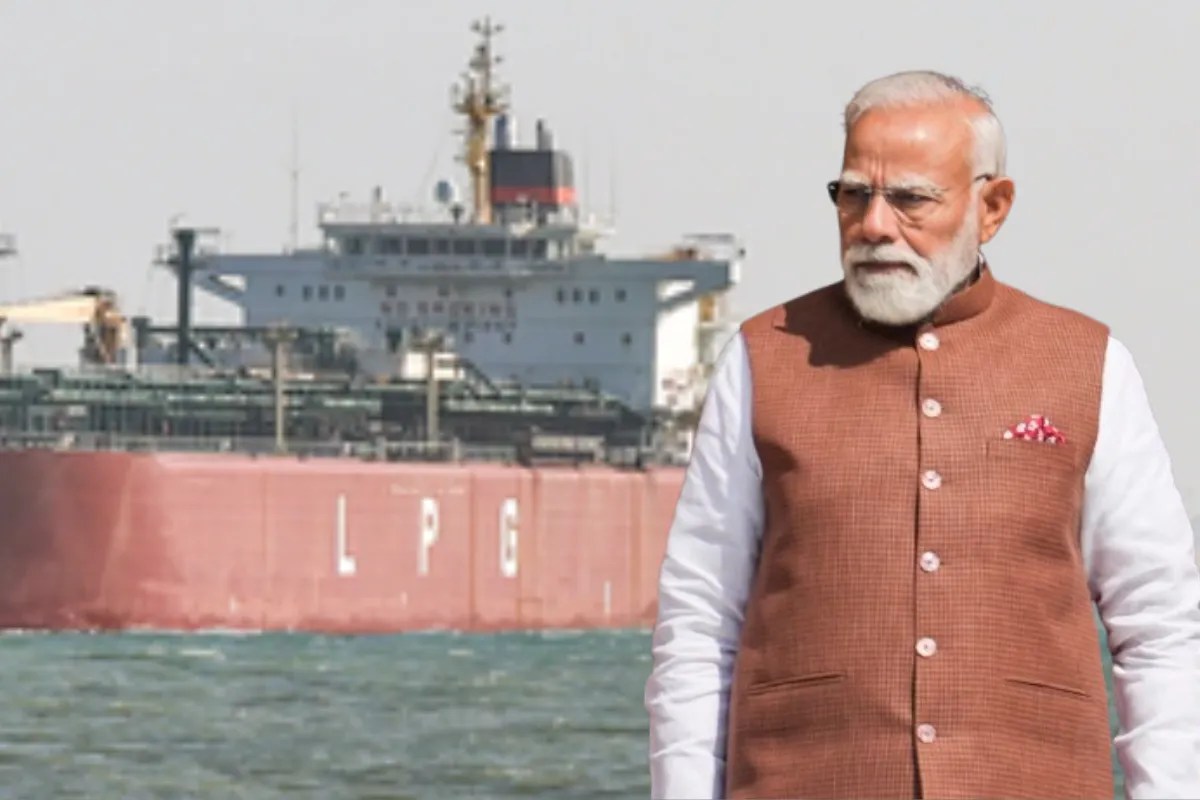
The Persian Gulf is currently a black hole for seventeen Indian vessels. We aren't just talking about a minor radio glitch or a routine delay. For over twenty-four hours, these ships have effectively vanished from the communication grid. If you think this is just another maritime hiccup, you're wrong. When nearly twenty massive cargo carriers stop responding in one of the most volatile choke points on the planet, it’s a red alert for global trade and national security.
India relies on these waters. It’s the lifeblood of our energy security. Most of our crude oil and LNG comes through the Strait of Hormuz. Seeing seventeen ships go silent isn't just a "logistics issue." It’s a potential hostage situation, a massive electronic warfare test, or worse. The Indian Ministry of External Affairs and the Navy are likely working overtime, but the public deserves to know the gravity of what’s happening right now.
The Persian Gulf is becoming a digital graveyard
Ships don't just "lose touch" anymore. In 2026, every vessel is equipped with multiple layers of redundancy. You have AIS (Automatic Identification System), satellite phones, and high-frequency radio. For seventeen ships to go dark simultaneously suggests something much more deliberate than bad weather or a technical fluke.
We've seen an uptick in GPS spoofing and signal jamming in this region lately. State actors and non-state groups have been playing with electronic shadows for months. If these ships have had their navigation systems hijacked or their communication arrays fried, they’re sitting ducks. Imagine a 300-meter tanker drifting blind in a narrow lane crowded with other giants. It’s a recipe for a catastrophic collision that could shut the Gulf for weeks.
What happens when the Indian Navy loses its eyes
The Indian Navy’s Information Fusion Centre for the Indian Ocean Region (IFC-IOR) is supposed to track these movements in real-time. But tracking depends on the ship wanting to be seen. When the transponders are killed from the outside, we’re back to the era of binoculars and guesswork.
The silence is the scariest part. Usually, when a ship is boarded, a distress signal goes out. A "SSAS" (Ship Security Alert System) button is pressed. It’s silent on the ship but screams at the home port. The fact that we have heard nothing from seventeen different crews suggests they were either taken by surprise or the jamming was so sophisticated it smothered the emergency frequencies before they could even trigger.
The crew families are in the dark
Behind every ship is a group of twenty to thirty sailors. That’s hundreds of Indian families right now staring at their phones, waiting for a WhatsApp message that isn't coming. I've seen how these shipping companies operate. They usually tell families "it's a network issue" to avoid panic. But twenty-four hours is the breaking point. After that, the "network issue" excuse smells like a cover-up for a major security breach.
Why India is a specific target in these waters
India isn't a neutral bystander in the Persian Gulf anymore. Our growing proximity to various geopolitical blocs makes our flagged vessels targets for "message sending."
- Energy leverage: If you want to rattle India’s economy, you don't attack the mainland. You choke the energy supply.
- Geopolitical friction: Regional powers often use merchant shipping as pawns in larger diplomatic chess games.
- Piracy vs State Interference: This doesn't look like pirates. Pirates want a ransom and they want it fast. They don't jam seventeen ships at once. This has the fingerprints of a coordinated state-level operation.
The economic fallout of a silent fleet
Markets hate silence. The moment news broke that these ships were unresponsive, insurance premiums for the Persian Gulf route likely spiked. We're talking about millions of dollars in "war risk" surcharges being added to every single voyage.
If these ships don't reappear on the map in the next twelve hours, expect oil prices to jump. It’s not just about the cargo on those seventeen ships. It’s about the fear that the next ship—and the one after that—will also disappear. Shipping companies might start rerouting around the Cape of Good Hope. That adds ten days and thousands of tons of fuel to the journey. You’ll feel that at the petrol pump by next week.
Moving beyond the waiting game
The Indian government needs to stop the "wait and watch" approach. We need a visible naval presence in the immediate vicinity of the last known coordinates. Deployment of P-8I Poseidon aircraft for long-range maritime surveillance is the only way to get eyes on the deck without waiting for a radio signal that might never come.
If you’re a family member of a seafarer on these routes, demand transparency from the recruitment agencies and the Directorate General of Shipping. Don't accept "technical glitch" as an answer. Demand the last known GPS coordinates and the specific time the AIS signal was lost. This isn't just a news story. It's a crisis of sovereignty on the high seas.
Stay off the speculative forums and look for official naval bulletins. If the ships are being held, the diplomatic backchannels are likely already screaming. If they’ve been silenced by tech, the Navy needs to go in heavy. The clock is ticking, and every hour of silence makes a peaceful resolution less likely.