You've probably seen the headlines screaming about missiles and drone strikes. If you've got a flight booked to Larnaca or Paphos, your first instinct is likely to hit the cancel button. But before you lose your deposit, let's look at what's actually happening on the ground in Cyprus. The situation is tense, sure, but the "missiles fired at Cyprus" narrative needs a reality check.
The British Foreign, Commonwealth & Development Office (FCDO) hasn't slapped a "Do Not Travel" label on the Republic of Cyprus. Instead, they've updated their advice to highlight "heightened regional tension." This is diplomatic speak for "keep your eyes open, but don't pack your bags just yet."
What actually happened with the missiles
Over the weekend, Iran launched two missiles in the general direction of the Eastern Mediterranean. Some reports suggested they were aimed at British Sovereign Base Areas (SBAs). In reality, those missiles never made it to Cypriot soil. They were intercepted over the water or fell short.
UK Defence Secretary John Healey was blunt about it. He mentioned the missiles were fired "in the direction" of Cyprus but clarified they weren't necessarily the target. Think of it like a neighbor throwing rocks at a fence—it’s aggressive and annoying, but your house isn't the one being hit.
The bigger story is the suspected drone strike at RAF Akrotiri that happened around midnight on March 2. The Ministry of Defence confirmed the incident but reported zero casualties. The base is functioning. The "force protection" is at its highest level, which basically means the military is on high alert so you don't have to be.
Is it safe to stay in Limassol or Paphos
If you're sitting in a cafe in Limassol or sunbathing in Paphos, the war in the Middle East feels a world away. The Republic of Cyprus is an EU member and remains one of the safest spots in the region. The conflict isn't between the Cypriot government and Iran; it's a regional spillover involving UK and US assets based on the island.
The Sovereign Base Areas of Akrotiri and Dhekelia are technically British Overseas Territories. They're separate from the Republic of Cyprus. Unless you're planning to hang out right next to the perimeter fence of an RAF base—which is a bad idea anyway because of local laws—the risk to your personal safety remains very low.
Cypriot President Nikos Christodoulides has been busy on the phone with Keir Starmer. The message from both sides is the same: Cyprus is not a target. The island isn't being pulled into the fight; it's just a geographical bystander.
Practical travel hurdles you'll actually face
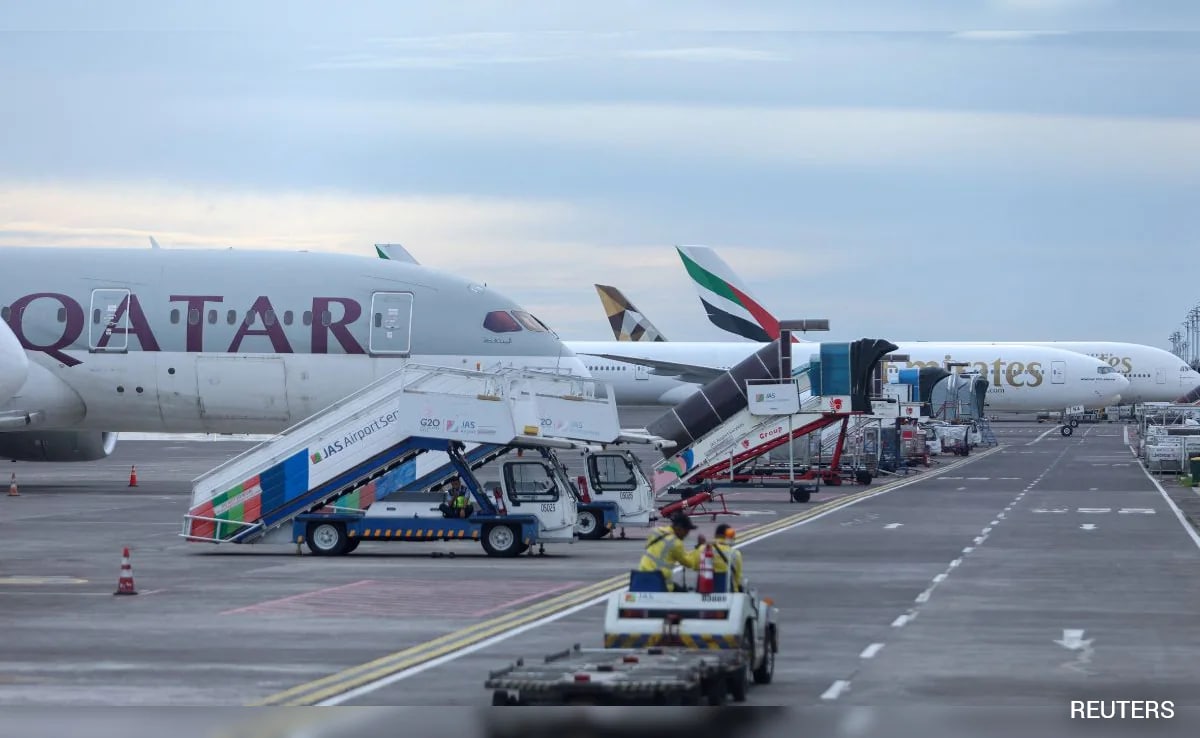
The real headache isn't missiles; it's logistics. When tensions flare up in the Middle East, airspace gets messy.
- Flight Rerouting: Airlines serving Larnaca and Paphos are already looking at alternative paths through Greek and Egyptian airspace. If the situation in the Gulf gets worse, expect your flight to take the long way around.
- Insurance Fine Print: Most standard travel insurance policies won't cover you if you cancel just because you're "worried." Unless the FCDO changes its advice to "all but essential travel," you're likely on the hook for the cost of the trip.
- Buffer Zone Rules: Don't forget that Cyprus has its own internal issues. The UN Buffer Zone (the Green Line) is strictly monitored. Now more than ever, taking photos of military installations or personnel is a fast track to getting arrested.
The Foreign Office advice explained
The current FCDO guidance is a "High Degree of Caution" warning. It sounds scary, but it’s the same level applied to many popular tourist destinations. They're telling you to stay away from protests—especially those linked to Middle Eastern politics—and to keep a close eye on the news.
If you're already on the island, the best thing you can do is sign up for FCDO email alerts. If things go south, that’s where you’ll get the first word. But honestly? The biggest threat to your holiday right now is probably a sunburn or an overpriced taxi, not a regional missile exchange.
What you should do next
If you're traveling in the next few days, don't just rely on TikTok rumors. Check the official GOV.UK travel advice page for Cyprus. It’s updated in real-time.
- Check your insurance policy immediately. See if you have a "cancel for any reason" clause. You probably don't, but it's worth knowing where you stand.
- Register with the FCDO. If you’re a British national, let them know you’re there. It takes two minutes and ensures you get the "get out" text if things actually escalate.
- Stay away from the bases. Avoid the areas around Akrotiri and Dhekelia. There's nothing to see there but fences and high-stress security guards.
Keep your plans. Just keep your phone charged and your wits about you. Cyprus has seen plenty of regional storms before, and it’s still standing.