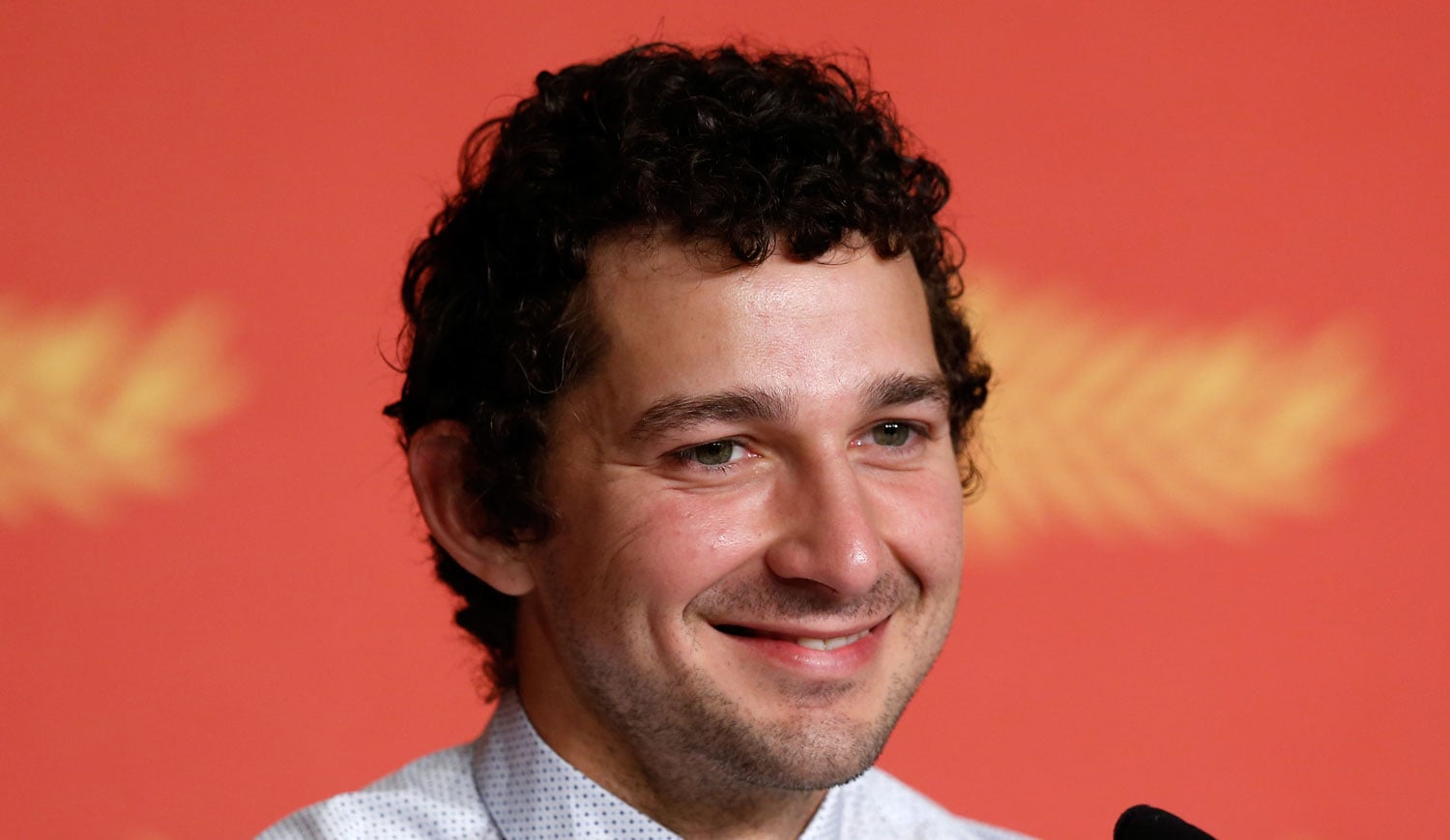
The standard tabloid cycle is as predictable as a metronome. A celebrity gets cuffed, the mugshot goes viral, the public indulges in a collective "tsk-tsk," and the PR team prepares a statement about "taking time for personal growth." When Shia LaBeouf gets arrested in New Orleans during Mardi Gras, the media frames it as a "downward spiral." They call it a "clash with authority."
They are wrong.
The lazy consensus views these outbursts as evidence of a broken man. I see them as the only honest reaction to the suffocating vacuum of modern celebrity culture. While his peers are busy curating a bland, safe, and utterly fraudulent public image, LaBeouf is providing a raw, unfiltered feedback loop that mirrors the chaos of the environment he’s in.
New Orleans during Mardi Gras is not a place for "refined behavior." It is a city-wide experiment in controlled anarchy. If you aren't brushing up against the edge of a breakdown or a breakthrough, you aren't actually there.
The Myth of the Unhinged Actor
We love the narrative of the "troubled star" because it makes us feel superior. We look at a $30-million-a-year actor getting into a shouting match with a bystander and we think, I have less money, but I have more dignity. This is a cope.
What we’re actually witnessing is the demolition of the fourth wall in real-time. LaBeouf isn't "losing it." He is rejecting the social contract that says a celebrity must be a smiling, static product for your consumption. Most actors are essentially high-priced mannequins. They speak when told, stand where the tape is placed, and tweet what the agency approves.
LaBeouf has been signaling his exit from that factory for over a decade. Remember the paper bag over the head? "I Am Not Famous Anymore." People called it a stunt. It wasn't a stunt; it was a diagnosis. He was diagnosing the sickness of the gaze.
New Orleans as the Ultimate Stage
Let’s talk about the geography of this specific incident. New Orleans doesn't just tolerate madness; it demands it. Mardi Gras is a ritual of inversion. The king becomes a fool; the fool becomes a king.
When an altercation occurs in the French Quarter, the media treats it as a vacuum-sealed event. They ignore the context of the environment. You have a man who has spent his life being watched, placed in a city that is currently watching itself in a hall of mirrors. The friction is inevitable.
I’ve spent years analyzing the intersection of public persona and private identity. The "altercation" is rarely about the person being yelled at. It’s about the refusal to be a background character in someone else’s vacation photos.
The Hypocrisy of "Public Order"
The public is obsessed with the idea of the "civilized" celebrity. We want them to be relatable, but also untouchable. We want them to be "just like us" until they actually behave like a person who has had three too many drinks on Bourbon Street.
If a non-famous person gets into a scuffle at 2:00 AM in New Orleans during the biggest party on earth, it’s a Tuesday. If Shia does it, it’s a national tragedy. This double standard exists to keep the celebrity class in a state of perpetual performance.
The diagram of celebrity scandal is a circle, not a line.
- The Star acts out.
- The Public expresses moral outrage.
- The Media monetizes the outrage.
- The Star’s "value" increases because of the attention.
LaBeouf is the only person in the room who seems to realize how stupid the cycle is, so he accelerates it. He leans into the friction. He makes it ugly because the truth of our obsession with him is ugly.
Why We Should Stop Rooting for the "Recovery"
Every time an arrest happens, the comments sections are filled with people "hoping he gets the help he needs."
Stop.
"Help" in the Hollywood context usually means "medication and a better publicist so you can go back to making Transformers sequels." We are essentially asking him to lobotomize his intensity so we can feel comfortable watching him in a cinema again.
Why do we want our artists to be stable? Stability is the enemy of great art. It is the enemy of the visceral. The greatest performances in the history of the medium—from Brando to Phoenix—come from a place of profound instability.
By demanding Shia "clean up his act," we are demanding he become boring. We are demanding he stop being an artist and start being a brand.
The Fallacy of the Victimless Outburst
The primary argument against this take is that his behavior affects others. "What about the people he shouted at? What about the cops just doing their jobs?"
Yes, being on the receiving end of a Shia LaBeouf rant is likely unpleasant. But let’s be brutally honest: every person in that radius was likely recording the encounter on their phone. They weren't victims; they were content creators. They were hoping for a "moment."
In the modern era, the "victim" of a celebrity outburst is often the person who gains the most from it—a viral video, a payout, or a story to tell for the rest of their lives. We have commodified the "bad behavior" to the point where we are incentivized to provoke it.
The Cost of Authenticity
Is this a sustainable way to live? Probably not. LaBeouf’s approach to life and art has a high casualty rate, usually starting with his own legal record.
But there is a specific, jagged honesty in it that is missing from 99% of the industry. He is not "leveraging" his brand. He is setting it on fire. In an age of artificiality, there is something deeply refreshing about a man who refuses to play the game, even when he’s losing.
We don't need another polished, PR-trained star. We have enough of those. We need the reminders that the system is weird, that fame is a psychic poison, and that sometimes, the only way to stay sane is to act a little crazy.
Stop Asking the Wrong Questions
People ask: "When will he learn?"
They should be asking: "Why do we keep watching?"
People ask: "Why can't he just stay out of trouble?"
They should be asking: "Why is our definition of 'trouble' so narrow?"
The arrest in New Orleans isn't a setback. It’s a data point. It’s a confirmation that Shia LaBeouf is still refusing to be the person you want him to be. He is not your role model. He is not your avatar for a "comeback story."
He is a man reacting to a world that won't stop staring at him. And if he has to get arrested to remind you that he’s not a character in your favorite movie, then he’s the only one in the room being honest.
Go back to your curated feeds. Go back to your "relatable" influencers. Leave the chaos to the professionals.
Drink your water. Mind your business. And for god's sake, stop acting like you wouldn't be unhinged too if ten thousand people were trying to film your every mistake.


