You’re standing in a fluorescent-lit airport at 2 AM. The kiosk just spat out an error code that looks like ancient C++. Your flight is canceled. There’s no human at the desk. Instead, a laminated sign points you to a QR code that leads to a chatbot named "Luna" who doesn't know what a Boeing 737 is.
This isn't just bad luck. It’s the logical conclusion of a decade-long corporate heist. We’ve been tricked into performing unpaid labor under the guise of "efficiency" and "empowerment." The self-service revolution was sold as a way to save us time. In reality, it’s a massive transfer of work from paid employees to unpaid customers. It's a scam. We are the ones doing the data entry, the bagging, and the troubleshooting, all while prices continue to climb.
The Great Unpaid Labor Shift
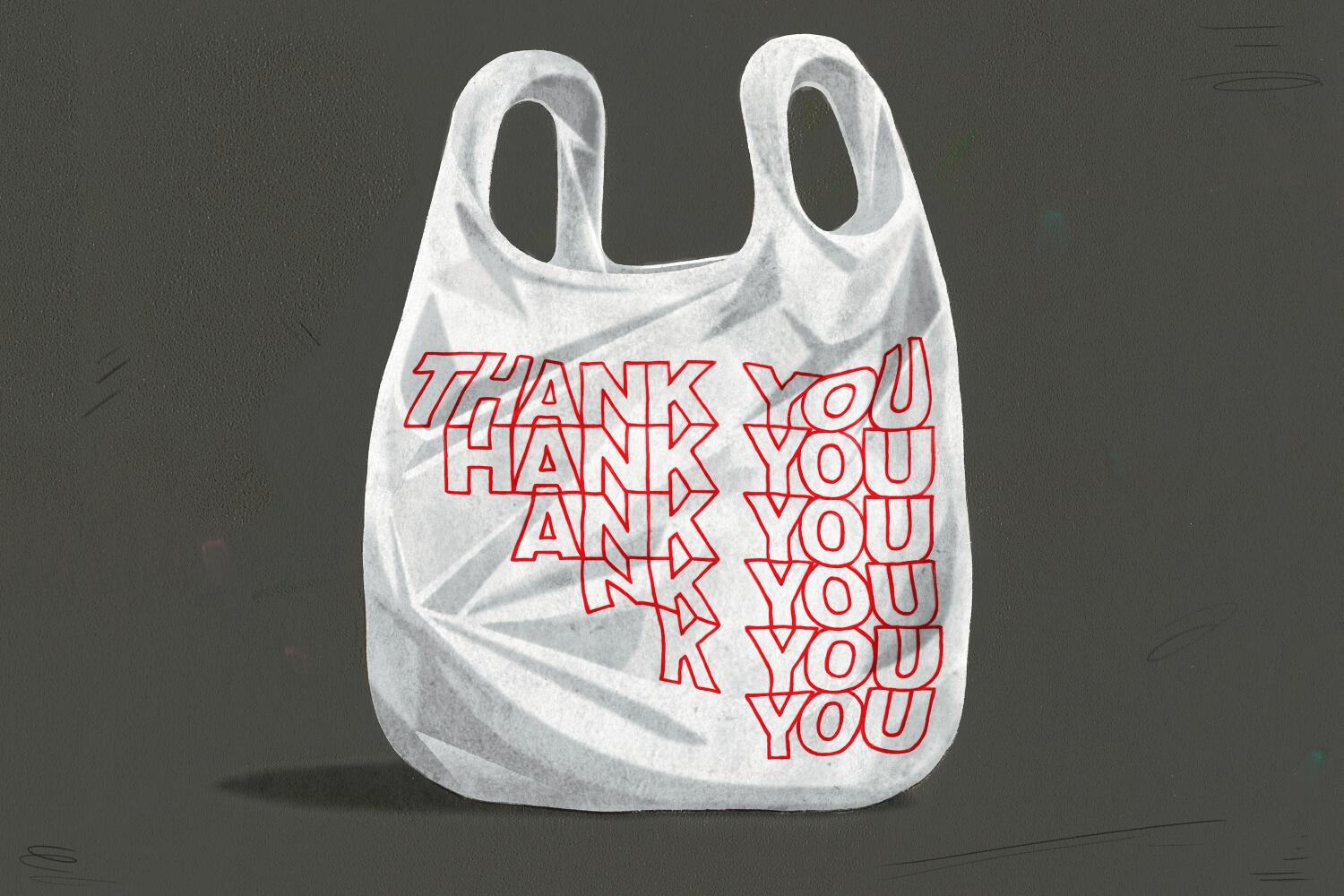
Companies used to view customer service as a cost of doing business. Now, they view it as a luxury they can charge you to avoid. Think back twenty years. You walked into a grocery store, someone scanned your milk, and someone else put it in a bag. Today, you’re the cashier. You’re the bagger. And if the "unexpected item in the bagging area" sensor trips, you’re the one waiting like a scolded child for a single, overworked teenager to reset your screen.
Economist Craig Lambert calls this "shadow work." It’s the unpaid tasks we do for the benefit of the companies we're already paying. When you check yourself in for a flight on an app, you’re performing the role of a gate agent. When you use a digital kiosk at a fast-food joint, you’re the data entry clerk.
Businesses love this because it nukes their payroll costs. They get to fire the person who used to help you and replace them with a piece of hardware that doesn't need health insurance or a lunch break. Does that savings get passed to you? Hardly. You’re paying the same price—or more—for the privilege of doing the work yourself.
Why Technology Fails When You Need It Most
Self-service works great when everything goes perfectly. If the weather is clear and the software doesn't glitch, clicking a button on your phone is fine. But travel is inherently chaotic. Mechanical failures happen. Storms roll in.
When the system breaks, the "frictionless" experience becomes a brick wall. Algorithms aren't programmed for empathy or complex problem-solving. A chatbot can’t rebook you on a competitor’s flight because it’s "not authorized" to deviate from the script. You need a human with a keyboard and a soul.
The nightmare happens because companies have stripped away the "human backup." They’ve optimized for the 90% of cases where things go right, leaving the other 10% of us stranded in a digital purgatory. You aren't just a customer anymore; you're a support ticket.
The Illusion of Choice
Marketing teams love to frame self-service as "convenience." They tell us we’re "taking control" of our journey. It’s a brilliant bit of psychological trickery. By giving us a touch-screen, they make us feel like we’re in the driver’s seat.
But true choice would be having the option of a fast kiosk or a well-staffed desk. Most of the time, the human option is intentionally throttled. The line for the one open counter is two hours long, while twelve kiosks sit empty. That isn't a choice. It's a nudge. They’re forcing you into the automated lane so they can eventually justify getting rid of the counter entirely.
The Cost of the Human Disconnection
There’s a social price to this transition that goes beyond missed flights and botched grocery orders. We’re losing the "third places" and the small, human interactions that keep a society glued together.
The brief chat with a regular barista or the tip from a seasoned travel agent used to be part of the value proposition. Now, we stare at screens. This isolation makes us more frustrated. It’s a lot harder to scream at a person who is trying their best than it is to punch a touch-screen that won't respond. This frustration boils over, leading to the "travel rage" incidents we see on the news. We’re being treated like units of cargo, and we’re starting to act like it.
Exploiting the Tech-Savvy
There’s an ageist and classist undertone to the self-service push. If you aren't comfortable with a smartphone, you’re effectively taxed with longer wait times. If you don't have the latest OS, you might not even be able to access your boarding pass.
Companies are essentially outsourcing their IT support to the general public. If their app is buggy, it’s your problem. You’re the one who has to restart your phone, clear your cache, and hope for the best. We’ve accepted a world where we are responsible for the technical success of a transaction we’re paying for. It’s absurd.
The Profit Margin of Your Frustration
Let's look at the numbers. Delta, United, and American Airlines have saved billions by pushing customers toward digital platforms. According to industry data, a web check-in costs an airline pennies, while a desk check-in costs several dollars in labor and infrastructure.
Where does that money go? Not into better seats or more reliable planes. It goes to stock buybacks and executive bonuses. You are literally working for free to pad a CEO's retirement fund.
How to Fight the Machine
You don't have to be a victim of the "con." While we can't single-handedly bring back the golden age of service, we can change how we interact with these systems.
- Stop using the kiosk if a human is available. Even if the line is slightly longer, using the human service keeps that job relevant. If everyone uses the machine, the human gets fired.
- Demand compensation for system failures. If a self-service tool fails and costs you time, don't just suck it up. File a formal complaint. Make the "cost-saving" automation expensive for them when it breaks.
- Use the "Phone Hack." If you're stuck in an airport with no staff, don't just use the app. Call the international support line for that airline (e.g., the UK or Canadian desk). You'll often get a human faster than the domestic line.
- Vote with your wallet. Support businesses that still prioritize staffing. If a grocery store goes 100% self-checkout, shop somewhere else. Tell the manager why you’re leaving.
The next time you’re prompted to "scan your own items" or "manage your booking online," remember that you’re being asked to do a job. You aren't being a "tech-forward" traveler. You’re being a free employee for a multi-billion dollar corporation. Stop doing their work for them. Stand in the line. Ask for the manager. Make them earn your money again.