The mass escape of individuals associated with the Islamic State (IS) from detention facilities in Northern Syria is not an isolated security breach but the predictable outcome of a degrading containment system operating under unsustainable kinetic and political pressures. This event highlights a fundamental flaw in non-state carceral management: the reliance on overextended paramilitary forces to secure high-risk populations without the sovereign infrastructure or legal mandates required for long-term stability. To understand the gravity of these escapes, one must analyze the situation through three specific analytical lenses: the Resource-to-Risk Disparity, the External Kinetic Interference Variable, and the Institutional Vacuum of Repatriation.
The Resource-to-Risk Disparity
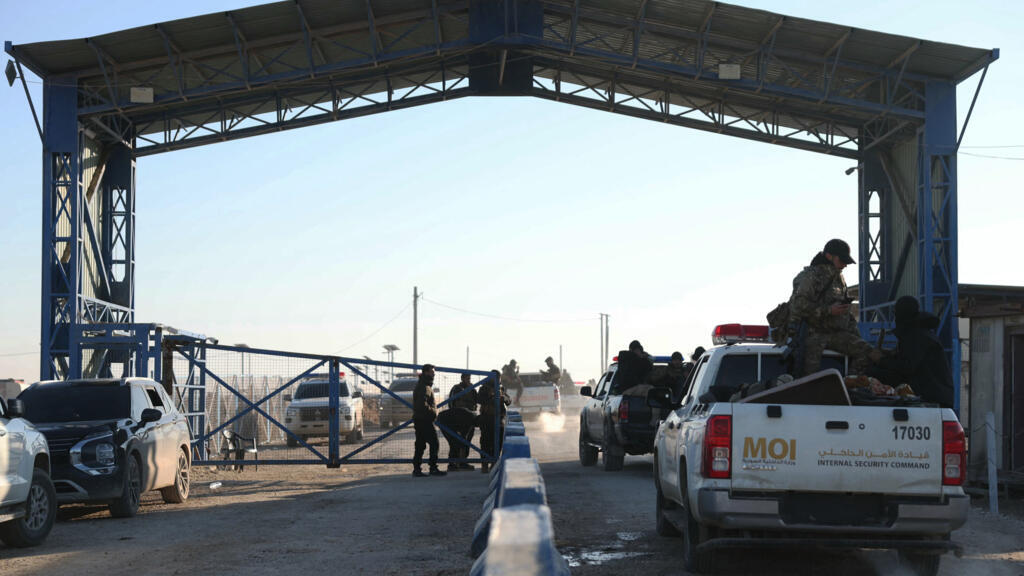
The detention camps, specifically Al-Hol and Roj, represent a concentration of ideological risk that far outstrips the operational capacity of the Syrian Democratic Forces (SDF). The security architecture of these camps is built on a "containment-only" model, which lacks the rehabilitative or judicial pathways necessary to reduce the threat density over time.
- The Guard-to-Detainee Ratio: While standard high-security prisons operate on high personnel-to-inmate ratios with sophisticated electronic surveillance, the SDF manages tens of thousands of individuals with a fluctuating force. This force is frequently diverted to active front lines, creating periodic "security troughs" where monitoring becomes purely reactive.
- Economic Attrition: The logistics of maintaining a population of this magnitude—food, medical care, and perimeter security—requires a capital flow that the semi-autonomous administration cannot sustain without consistent international aid. When aid fluctuates, security is the first variable to be compromised.
- Internal Radicalization Loops: These camps function as closed ecosystems where ideological enforcement is often managed by the detainees themselves. The "sharia courts" operating inside the camps represent a shadow governance structure that actively plans escapes and recruits new operatives while under nominal detention.
The External Kinetic Interference Variable
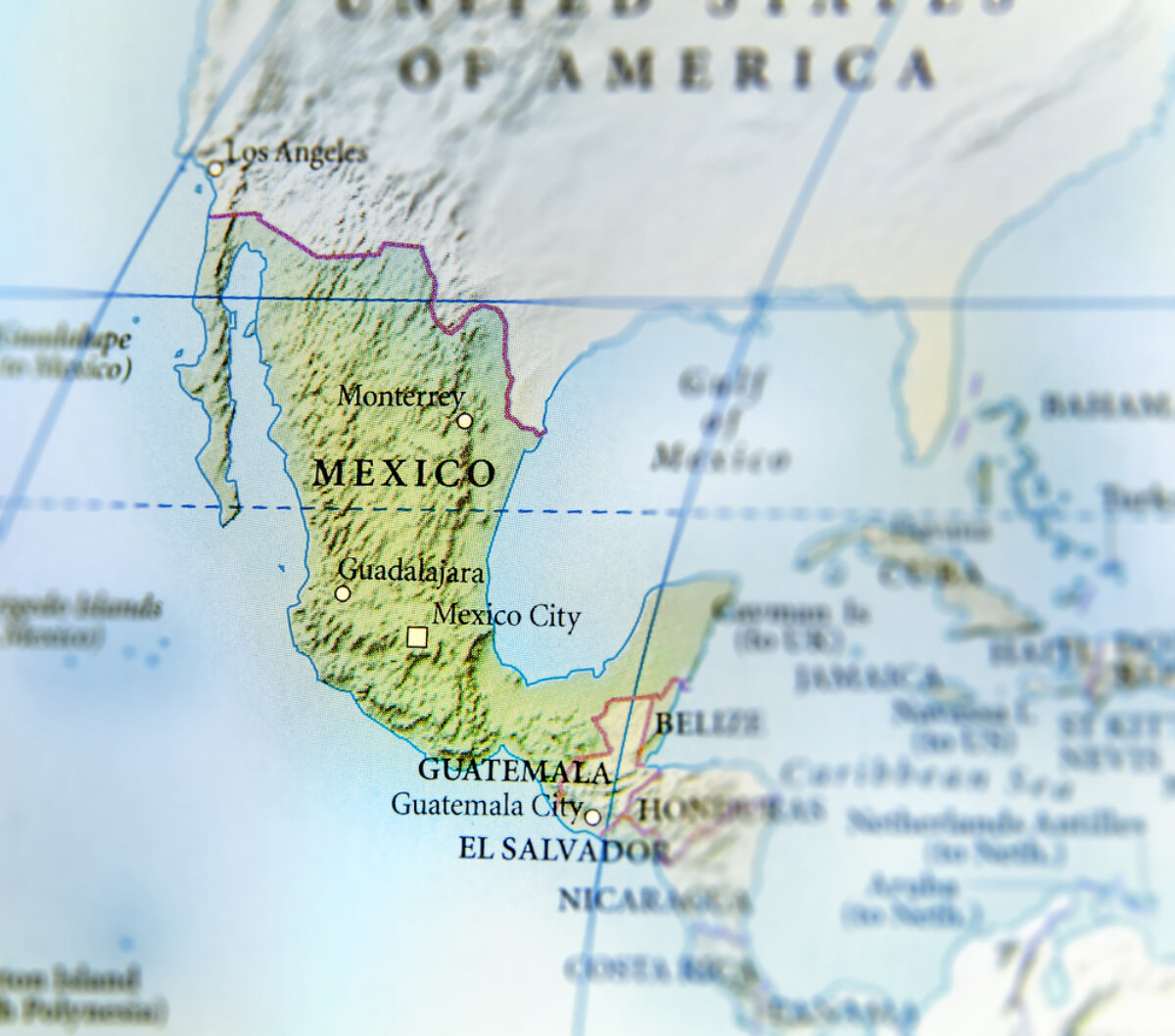
The stability of a detention facility is contingent upon the stability of the surrounding geography. In Northern Syria, the "perimeter" of the camp is effectively the "border" of a conflict zone. Every external military escalation serves as a force multiplier for internal unrest.
The primary driver of recent escapes is the distraction-opportunity cycle. When Turkish military operations or Syrian regime movements threaten the SDF’s territorial integrity, personnel are redeployed from the camps to the borders. This creates a vacuum. Intelligence suggests that escape attempts are timed to coincide with these escalations, indicating a sophisticated level of communication between camp inhabitants and external IS networks.
The Logistics of the Escape Path
An escape is rarely a spontaneous act of climbing a fence. It is a commercial transaction. The "Escape Value Chain" involves:
- Capital Sourcing: Funds are funneled into the camps via informal hawala networks, often disguised as humanitarian remittances.
- Internal Coordination: Identifying weak points in the perimeter during guard shifts or inclement weather.
- External Extraction: Smugglers, often bribed or coerced, provide transportation immediately upon the breach of the camp’s outer layer.
- Integration: Moving the escapees into "sleeper zones" in the Badiya desert or across the border into Turkey or Iraq.
The Institutional Vacuum of Repatriation
The persistence of these camps is a direct result of the refusal of home nations to repatriate their citizens. This creates a "Static Threat" that grows more dangerous as time passes. From a strategic consulting perspective, the refusal to repatriate is a short-term political win that creates a long-term global security liability.
By leaving citizens in these camps, Western and regional governments are effectively outsourcing high-risk counter-terrorism responsibilities to a non-state actor with limited resources. This creates a Legal and Accountability Black Hole. Because the SDF is not a recognized state, they cannot "sentence" these individuals in a way that is recognized internationally, leading to indefinite detention—a primary driver for radicalization and the desire to escape.
The Cost Function of Indefinite Detention
The cost of a single mass escape, in terms of the intelligence required to track the individuals and the kinetic operations required to re-capture them, far exceeds the cost of repatriation and domestic prosecution. The "Risk Transfer" from the Syrian theater back to the home countries of these escapees is now an active variable, as escaped individuals regain the ability to plan or inspire attacks globally.
The Failure of Technical Surveillance
The reliance on human intelligence (HUMINT) within the camps is failing because the environment is too hostile for effective infiltration. High-tech solutions—biometric tracking, persistent drone surveillance, and electronic jamming of communications—are either absent or inconsistently applied due to the lack of infrastructure. Without a Persistent Surveillance Layer, the SDF is essentially guarding a black box.
This lack of data creates a "Ghost Population." In many cases, it is difficult to determine exactly who has escaped because the initial records of camp entry were incomplete or forged. The inability to maintain a rigorous census of the camp population means that an escape can go unnoticed for hours or even days, providing the escapees with a significant head start.
Strategic Redirection: The Decentralization of Risk
The current strategy of "Mass Concentration" must be abandoned. Concentrating thousands of high-risk individuals in a single geographic point creates a high-value target for IS rescue operations and a breeding ground for ideological consolidation.
The move toward Decentralized Secure Units—smaller, more manageable facilities with higher guard-to-detainee ratios—is the only viable tactical alternative if repatriation remains stalled. This would:
- Break the internal shadow governance structures of the larger camps.
- Make mass escapes logistically impossible.
- Allow for more targeted surveillance and individual risk assessment.
However, this requires a massive influx of engineering and security capital that the local administration does not possess. The international community’s current stance—funding the maintenance of Al-Hol while ignoring the underlying structural instability—is a strategy of managed decline.
The recent escapes are a "Lagging Indicator" of a system that has already failed. The focus must shift from perimeter security to a comprehensive dismantling of the camp model. This involves the immediate categorization of detainees into three tiers:
- Tier 1 (High Threat): Immediate transfer to hardened, small-scale prison facilities with international oversight.
- Tier 2 (Indoctrinated/Support): Managed repatriation with mandatory deradicalization and surveillance in their home countries.
- Tier 3 (Dependents/Non-Combatants): Rapid humanitarian resettlement to break the cycle of generational radicalization.
Failure to execute this tier-based dismantling ensures that the SDF-managed camps will continue to serve as the "Strategic Reserve" for the next iteration of the Islamic State. The security of the region, and by extension the world, is currently tied to a fence line that is being held by an exhausted, underfunded, and distracted paramilitary force. This is not a sustainable security posture; it is a countdown to a larger systemic collapse.
Strategic actors must now treat these escapes not as news items, but as a breach in a global containment system that requires an immediate, high-capital intervention to prevent the re-emergence of a mobile, organized insurgency.
Would you like me to analyze the specific financial networks used to fund these escape routes?