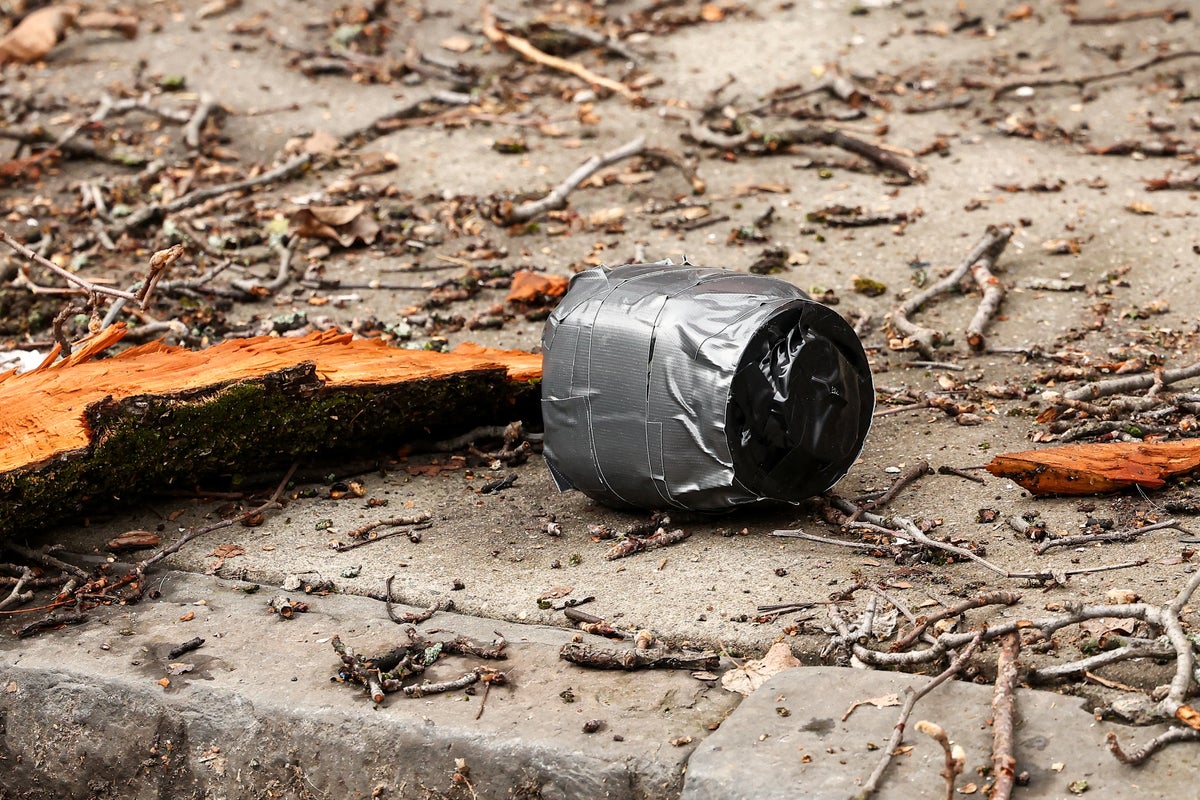
The discovery of unidentified electronic devices near the perimeter of Mayor Zohran Mamdani’s official residence is not merely a local security lapse. It is a loud, ringing alarm for the future of urban executive protection. Law enforcement sources confirm that specialized units were dispatched to the Upper East Side following the detection of hardware that bypassed standard sweep protocols. While early reports focused on the immediate physical threat, the deeper reality involves a sophisticated attempt to compromise the digital and acoustic privacy of the city’s highest office.
This incident happens at a time when the friction between the Mayor’s office and various activist factions has reached a boiling point. The devices, described by insiders as high-gain signal interceptors, were positioned to exploit "RF leakage" from the older architecture of the mansion. This is a classic vulnerability. Historic buildings like Gracie Mansion were never designed to be Faraday cages. They are porous.
The Mechanics of Modern Surveillance
To understand the threat, one must look past the Hollywood trope of the "bug" hidden in a flower vase. Modern surveillance near high-profile political figures uses passive interception. These devices do not need to be inside the room. They sit on the periphery, capturing the electromagnetic signals emitted by laptops, encrypted phones, and even the internal wiring of the building.
The hardware found near Mamdani’s residence suggests a targeted effort to map the Mayor’s communications habits. By analyzing the timing and strength of encrypted data bursts, an adversary can determine who is in the room and when high-level briefings are taking place. It is digital reconnaissance. It provides a blueprint for a more intrusive attack later.
A Failure of the Perimeter
The NYPD’s Technical Assistance Response Unit (TARU) is tasked with keeping the Mayor safe, but they are fighting an asymmetrical war. The equipment needed to monitor a target is now small enough to be integrated into common street infrastructure or discarded trash. This creates a "needle in a haystack" problem for daily sweeps.
Critics of the current security detail argue that the focus has remained too heavily on physical barriers—fences and bodyguards—while the electronic perimeter remains soft. Mamdani, known for his grassroots approach and frequent public interactions, presents a unique challenge. His brand of politics requires accessibility, but accessibility is the enemy of total security.
The Political Fallout of a Compromised Mayor
The discovery of these devices has immediate political implications. If the Mayor’s private strategy sessions regarding housing policy or police reform were intercepted, the leverage held by his opponents increases exponentially. We are looking at the potential for "information laundering," where private conversations are leaked to the press or used to front-run policy announcements.
There is also the question of the source. While it is easy to point toward foreign actors, the technical signature of the recovered hardware points toward domestic origin. The components are high-end but commercially available. This suggests a well-funded private entity or a highly organized special interest group. The sophistication required to plant these devices without immediate detection indicates a professional level of tradecraft.
Vulnerabilities in Urban Executive Protection
The geography of New York City makes it a nightmare for counter-surveillance. Gracie Mansion sits in Carl Schurz Park, a public space. You cannot close the park without a political outcry, yet the proximity of public walkways to the mansion’s walls provides perfect cover for technical placement.
Signal masking and active jamming are the standard technical responses, but they are messy. They interfere with the cellular service of neighbors and passersby. This creates a PR nightmare for a Mayor already accused of being distant from the needs of the average New Yorker.
Security experts suggest that the "Zohran Mamdani incident" will force a complete overhaul of how the city protects its leaders. This includes:
- Near-field monitoring: Installing permanent sensors that detect any new electronic signatures within a 500-foot radius.
- Acoustic dampening: Retrofitting historic windows with glass that prevents laser-based listening devices from picking up vibrations.
- Data scrubbing: Ensuring that all executive communications are routed through hardened, air-gapped servers that do not emit detectable RF signatures.
The Cost of Privacy in the Public Eye
We often treat the privacy of elected officials as a secondary concern, a perk of the job that we are happy to see stripped away in the name of transparency. But when the privacy of the Mayor is compromised, the integrity of the city’s decision-making process goes with it. Decisions made under the threat of surveillance are never truly free.
The investigation into these devices is ongoing, but the window of opportunity for the perpetrators has already closed. The devices were found. The alarm was sounded. However, the true success of such an operation isn't always in the data gathered. Sometimes, the goal is simply to let the target know they are being watched. It is an act of psychological warfare designed to instill hesitation in the Mayor's inner circle.
The NYPD must now determine if this was an isolated incident or part of a broader, multi-node surveillance network. If other devices exist, hidden more effectively, the Mayor may still be operating in a "glass house." The city's counter-intelligence capabilities are being tested in real-time on the streets of Manhattan.
Check your own office for unauthorized IoT devices or unusual signal interference.