You've probably heard the news that the car market is finally "healing." Dealership lots aren't empty anymore, and those insane markups on new trucks have mostly vanished. But if you’re hunting for a reliable used ride that doesn't cost as much as a year of college tuition, you already know the truth. The headlines are lying to you.
Used car inventory is technically up, but the stuff you actually want to buy is missing. Data from Cox Automotive shows that while overall supply has grown by about 10% compared to last year, the availability of vehicles priced under $20,000 has actually dropped. We're living in a bifurcated market. High-end luxury trade-ins are sitting on lots for sixty days, while every decent $15,000 Honda Civic is gone before the detailer even finishes vacuuming the seats. Don't forget to check out our earlier post on this related article.
If you're waiting for a "crash" to bring back the $5,000 reliable daily driver, you’re going to be waiting a long time. The math just doesn't work in your favor right now.
The Missing Generation of Affordable Cars
The biggest problem isn't just greed or inflation. It’s a supply chain ghost that’s finally come back to haunt us. To read more about the context of this, Reuters Business provides an informative breakdown.
Between 2020 and 2022, car manufacturers basically stopped building "cheap" cars. When chips were scarce, they prioritized high-margin SUVs and heavy-duty trucks. They killed off the Chevy Spark, the Honda Fit, and the Toyota Yaris. These were the cars that should be hitting the used market right now as four-year-old bargains. Since they were never built, they don't exist in the secondary market.
We're feeling the "lost years" of production. When you look for a $15,000 car today, you aren't looking at a three-year-old lease return. You’re looking at a ten-year-old vehicle with 120,000 miles and a questionable service history. That’s the new baseline.
Why the Under $20k Market Is a War Zone
It's simple competition. Everyone is squeezed. People who used to buy new cars are now buying "certified pre-owned." People who used to buy CPO are now fighting over the high-mileage stuff.
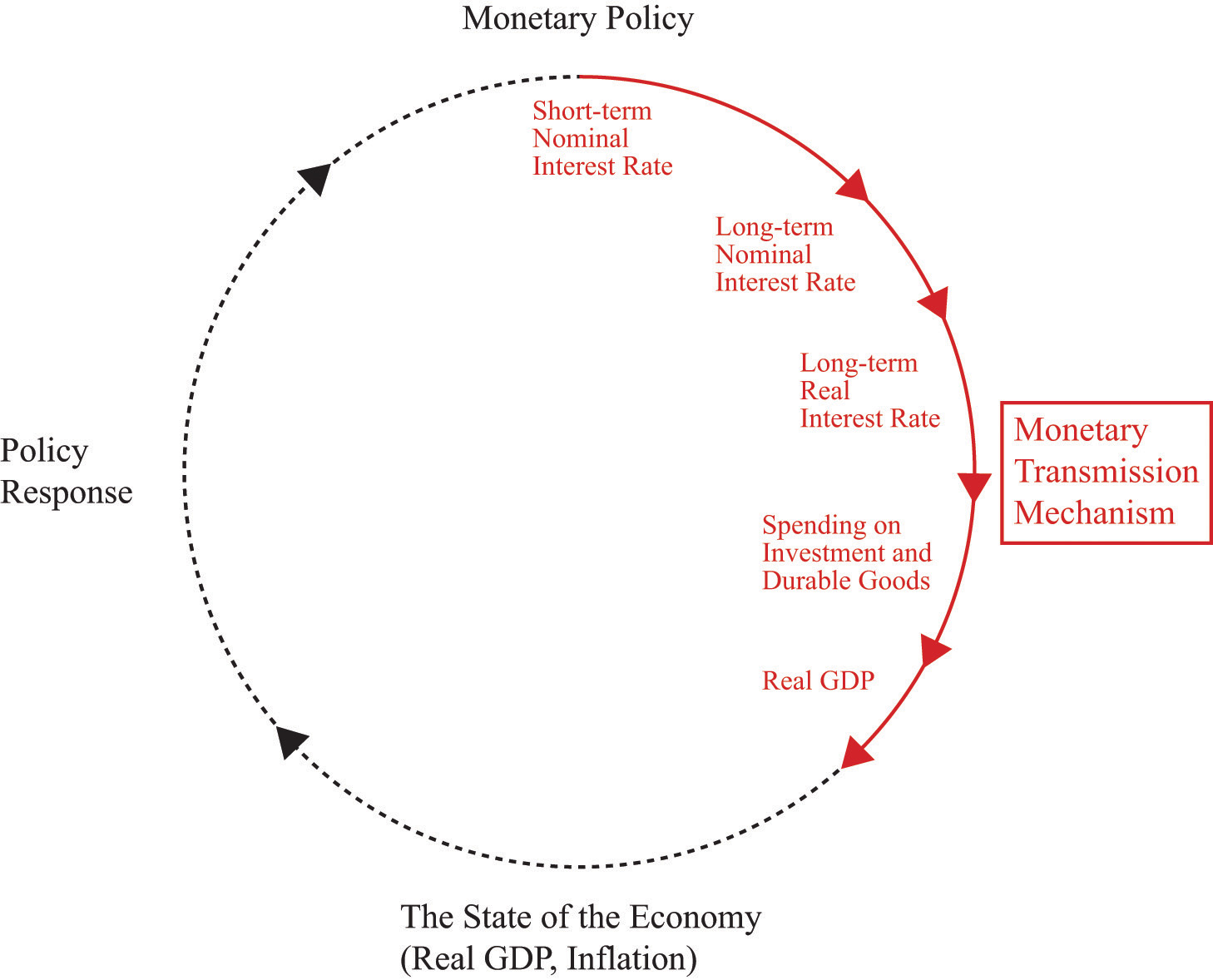
- Higher Interest Rates: With auto loan rates hovering around 7% to 11% for used cars, buyers are forced to lower their total purchase price just to keep the monthly payment affordable. This pushes everyone into the same $15k–$20k pool.
- Institutional Buyers: Rental companies like Hertz and Enterprise are holding onto their cars longer because new replacements are expensive. When they do dump their fleets, they’re often in rougher shape than they used to be.
- The Tech Gap: Cars made after 2018 have significantly more expensive sensors and infotainment systems. Fixing a bumper on a 2024 model costs three times more than a 2014 model because of the ADAS (Advanced Driver Assistance Systems) calibration. This keeps resale values artificially high.
Interest Rates Are the Real Budget Killer
Don't just look at the sticker price. The total cost of ownership has shifted radically.
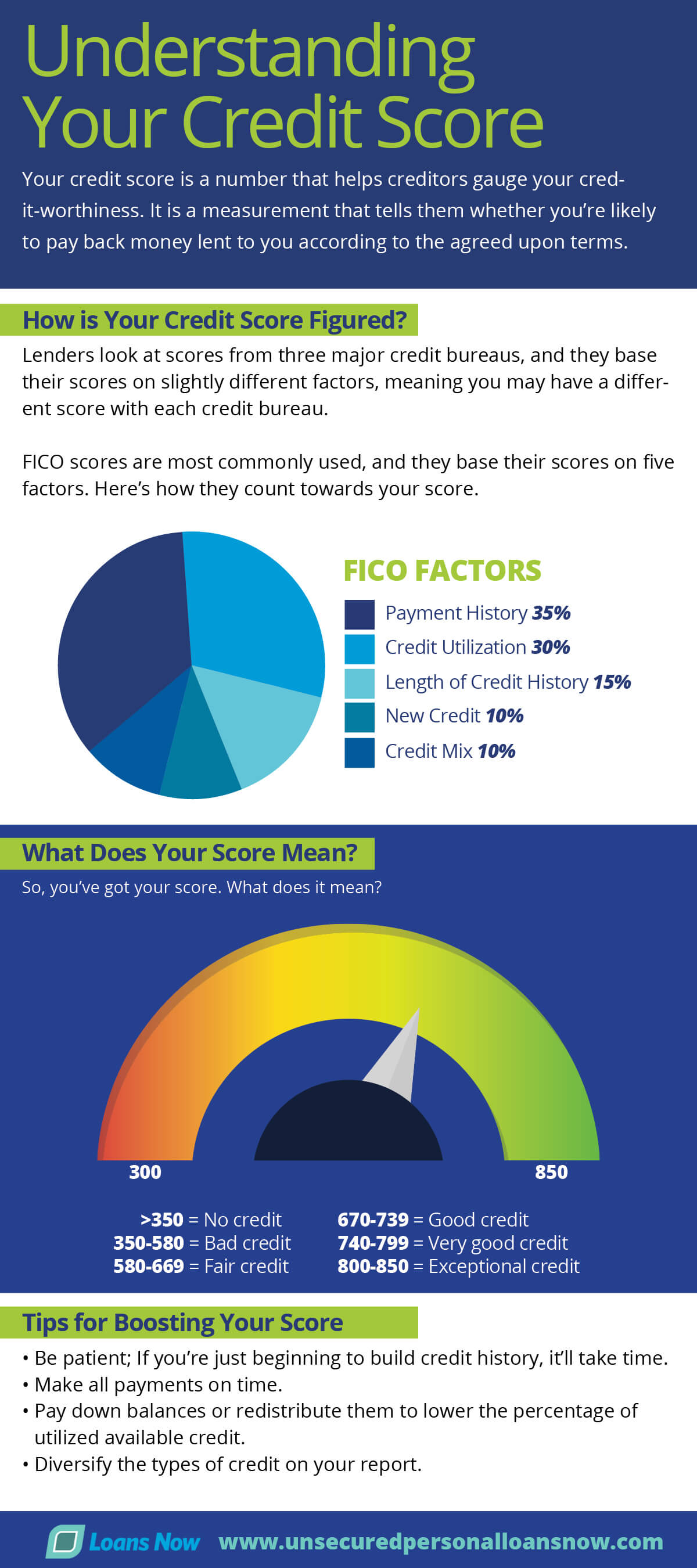
If you bought a $18,000 car in 2019 with a 3% interest rate, your payment was manageable. Today, that same $18,000 car might come with a 9% rate if your credit is "good" and upwards of 15% if it's "fair." You’re paying thousands more in interest for a car that’s objectively worse than what $18k bought you five years ago.
Lenders have also become stingier. They don't want to finance a 12-year-old car with 150,000 miles because the risk of mechanical failure—and subsequent loan default—is too high. This creates a trap. You can’t afford the new car, and the bank won’t let you buy the old one.
The Myth of the Shrinking Inventory
You’ll see reports saying "inventory is up 30 days." That’s a trap.
That number is an average. It’s dragged up by $60,000 Ford F-150s and $80,000 EVs that nobody wants to touch right now. If you look at "Days' Supply" by price point, the sub-$20,000 segment has about half the inventory of the luxury segment. Cars in the budget category move twice as fast.
How to Actually Buy a Car in This Mess
Stop looking at the big franchise dealerships. They don't want to sell $12,000 cars. The margins aren't there for them. They’d rather send those trade-ins to auction than deal with the headache of a picky budget buyer.
Private Party Is Your Only Hope
Facebook Marketplace and Craigslist are terrifying, sure. But that’s where the value lives. When you buy from an individual, you aren't paying for a dealership's glass-walled showroom or their "documentation fees" that magically add $800 to the price.
- Check the VIN: Use a service like Carfax or AutoCheck. Don't skip this. If they won't give you the VIN, walk away.
- The Pre-Purchase Inspection (PPI): This is non-negotiable. Spend $150 to have a local mechanic look at the car. If the seller says no, they’re hiding something.
- Cash is King: If you have the cash, you have leverage. Sellers hate waiting for your credit union to approve a loan on a Saturday afternoon.
Look for the "Boring" Brands
Everyone wants a Toyota or a Honda. Because of that, they’re overpriced.
If you want a deal, look at brands with lower "cool" factors but decent reliability. A well-maintained Mazda, a Buick with the 3800 V6 engine (the tank of engines), or even certain years of Ford Fusion can be thousands cheaper than a comparable Camry.
The Pricing Floor Has Changed Forever
We have to accept that $20,000 is the new $12,000.
Labor costs for mechanics are up. Parts prices are up. Shipping costs are up. Even if the "market" cools, the cost to recondition a used car for sale has hit a new floor. A set of tires and a brake job now costs $1,200 instead of $700. A dealer has to bake those costs into the price.
The "affordable" car hasn't just vanished; it's evolved into a higher-mileage, older version of itself.
What You Should Do Right Now
If your current car is running, keep it. The best way to "win" in this market is to not participate.
If you must buy, get your financing sorted before you ever step foot on a lot. Check your local credit unions. They almost always beat the big banks on used car rates. Also, be prepared to travel. Car prices in major metro areas are often 10% higher than in rural towns two hours away. Driving 100 miles to save $2,000 is a great hourly rate for your time.
Stop waiting for the 2019 prices to return. They aren't coming back. Focus on finding a vehicle with a documented service history rather than the lowest odometer reading. A 150,000-mile car with oil change receipts is better than an 80,000-mile car with none.
Look at the total cost of ownership. Factor in insurance—which has spiked nearly 20% in some regions—and fuel. Sometimes paying $2,000 more for a hybrid makes sense if you’re commuting 40 miles a day, but for most people, the "fuel savings" never actually pay off the higher purchase price. Do the math on a napkin. It usually tells a different story than the salesperson.