The coffee in Safed is usually served thick and sweet, a small comfort in a city perched so high it feels like it might drift into the clouds. But these days, the steam from the cup is often interrupted by a sound that has become the city’s unwanted heartbeat. It is a sharp, mechanical shriek. Then, the dull, chest-rattling thump of an interception. Or worse, the heavy, tectonic shudder of a direct hit.
Safed sits on Mount Canaan, looking out over a landscape that should be a postcard of Mediterranean peace. Instead, the view northward toward the Lebanese border has become a theater of escalating shadows. When Hezbollah announced it had launched "swarms of drones" and "volleys of rockets" toward the military bases surrounding this ancient city, it wasn't just a headline on a news ticker. It was a transformation of the atmosphere itself.
The air in Northern Israel now tastes of cordite and nervous exhaustion.
The Geography of a Grinding War
To understand why a few coordinates on a map matter, you have to look at the hills. Safed isn't just a spiritual center; it is a strategic crown. It houses the IDF’s Northern Command headquarters. For Hezbollah, these bases—Philon, Katsavia, and the intelligence hubs nestled in the greenery—are the bullseye. For the people living in the shadow of these installations, the strategic value of their backyard has become a liability that dictates when they sleep, where they walk, and how they breathe.
Consider a family in a stone house near the Old City. They aren't thinking about regional hegemony or the nuances of geopolitical chess. They are listening. They have learned to distinguish the whistle of a Katyusha rocket from the buzzing, lawnmower-drone of a suicide UAV. The Katyusha is a legacy of the past, a blunt instrument of terror. The drone is something else entirely. It is predatory. It lingers. It searches.
When Hezbollah claims a "precise strike" on the Philon base, they are signaling a shift in the math of the conflict. This isn't the sporadic fire of decades past. This is a calibrated, persistent attempt to blind the eyes of the Israeli military in the north. Every siren that wails through the narrow alleys of Safed is a reminder that the distance between a quiet afternoon and a regional conflagration is now measured in seconds.
The Invisible Stakes of the North
The numbers tell one story. Thousands of rockets. Dozens of drones. Hundreds of thousands of people displaced on both sides of a border that has become a scar across the earth. But the statistics fail to capture the erosion of the soul.
Imagine a farmer in southern Lebanon, his olive groves now a launchpad or a target zone. He watches the horizon for the glint of an Israeli jet, knowing that the "claims" made by militants in his village bring a response that turns the soil into a graveyard. He is the mirror image of the shopkeeper in Safed who keeps his shutters half-closed, waiting for a war that feels like it has already arrived but hasn't yet found its full, terrible voice.
The stakes are often described in terms of "deterrence" or "escalation ladders." These are cold, academic words. In reality, the stakes are the silence of a playground. They are the empty hotels in a city that used to thrive on pilgrims and tourists. They are the scorched forests of the Galilee, where ancient trees have been turned to charcoal by the friction of modern combat.
Hezbollah’s recent focus on Safed is a deliberate psychological gambit. By targeting the nerve centers of the IDF, they are attempting to project a parity of power. They want to show that the "Iron Dome" is a sieve, not a ceiling. Every time a drone slips through or a rocket impacts near a sensitive facility, the narrative of invulnerability cracks just a little more.
A Symphony of Sirens
The rhythm of life in the Galilee has been replaced by a jagged, unpredictable cadence.
One moment, the sun is hitting the limestone walls, turning the city gold. The next, the Red Alert app on a thousand smartphones screams in unison. Residents have fifteen seconds. In that quarter of a minute, a human being has to decide which room is safest, which child to grab first, and how to suppress the primal urge to scream.
Then comes the wait.
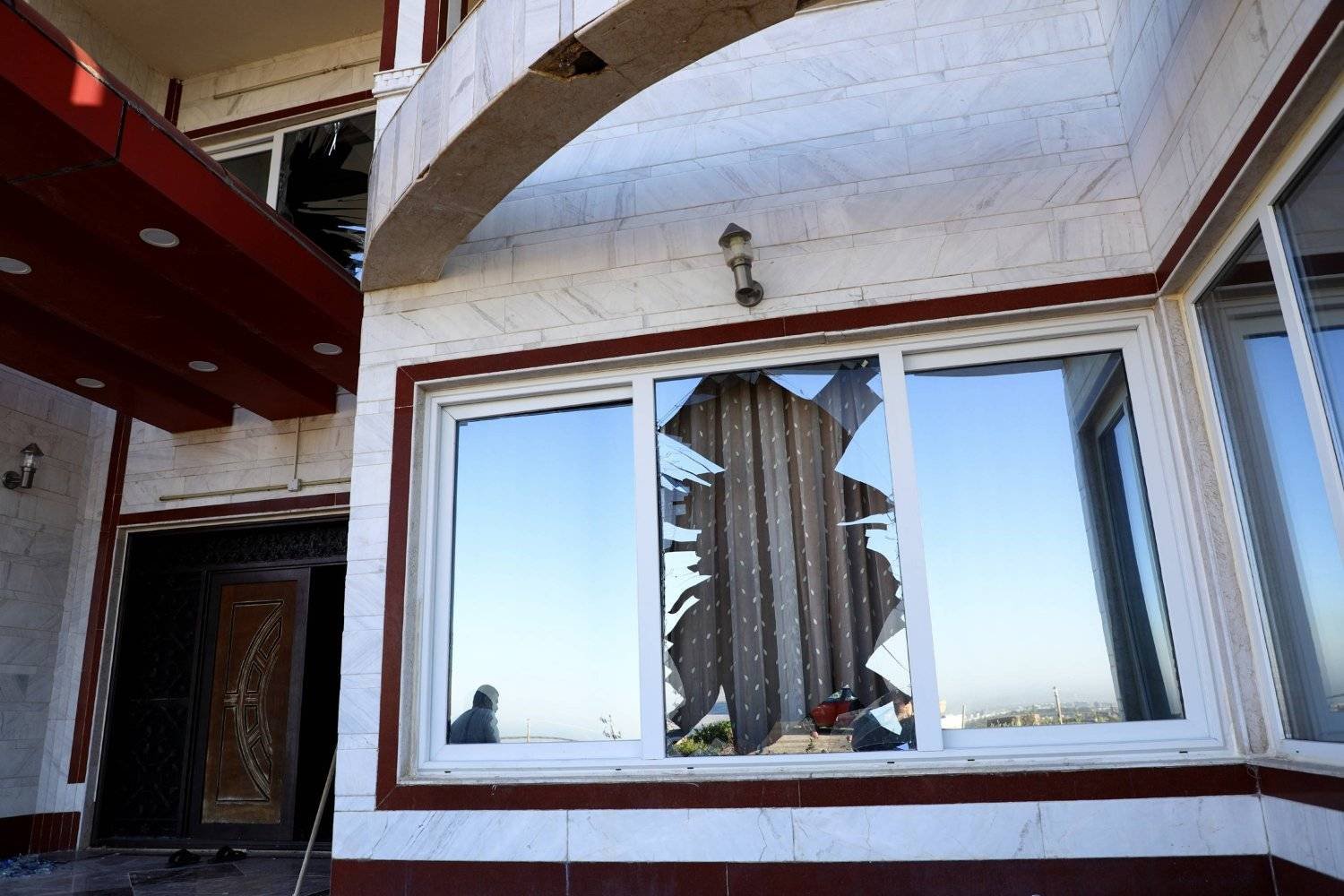
The silence after the siren is the loudest sound in the world. You wait for the boom. You count. If the boom is distant, life resumes with a shaky hand. If it is close, the windows rattle in their frames, and the dust of decades shakes loose from the ceiling.
This is the "human element" that military communiqués leave out. They speak of "assets neutralized" and "launchers destroyed." They don't speak of the teenager in Safed who hasn't had a full night’s sleep in months, or the elderly woman who refuses to leave her apartment because her memories are the only thing the rockets haven't touched yet.
The Logic of the Long Game
The escalation isn't an accident. It is a language.
Hezbollah uses these attacks near Safed to communicate with the broader region. It is a performance of defiance meant to tie down Israeli divisions that might otherwise be used elsewhere. It is a bloody, expensive form of signaling.
But signals have a way of being misinterpreted.
The danger of this current cycle lies in the "near miss." A rocket that hits an empty field is a statistic. A rocket that hits a school or a crowded market is a catalyst for a war that neither side may truly want, but neither side can figure out how to avoid. The "invisible stakes" are the red lines that are being stepped on every single day.
We see the smoke on the horizon, but we don't see the fraying of the social fabric. We don't see the way the constant threat turns neighbors against each other, or how the uncertainty of tomorrow makes it impossible to plan for next week. The Galilee, once a symbol of coexistence and natural beauty, is being redefined by the trajectory of projectiles.
Beyond the Ticker Tape
The news will tell you that Hezbollah claimed responsibility. It will tell you that the IDF responded with artillery fire into the hills of southern Lebanon. It will give you the names of the bases and the types of missiles used.
But look closer at the smoke rising from the ridges.
That smoke represents a collapsed dream of normalcy. It represents the displacement of families who don't know if they will ever go back to their kitchens or their gardens. It represents the slow, agonizing realization that the border is no longer just a line on a map—it is a living, breathing entity that demands a sacrifice of peace every single day.
The attacks on the bases near Safed are more than military maneuvers. They are a test of endurance for the people who call these mountains home. They are a reminder that in the modern age, the front line is wherever you happen to be standing when the siren starts its mournful climb.
As the sun sets over the Galilee, the shadows grow long, stretching from the peaks of Lebanon into the heart of Safed. The city waits. The soldiers on the bases check their monitors. The families in the shelters hold their breath. The sky remains a pale, beautiful blue, betraying nothing of the steel and fire that might tear through it at any moment.
The coffee has gone cold. The siren is silent for now. But in the North, everyone knows the silence is just a pause between the screams.
A single drone, small as a bird and twice as deadly, clears the ridge.