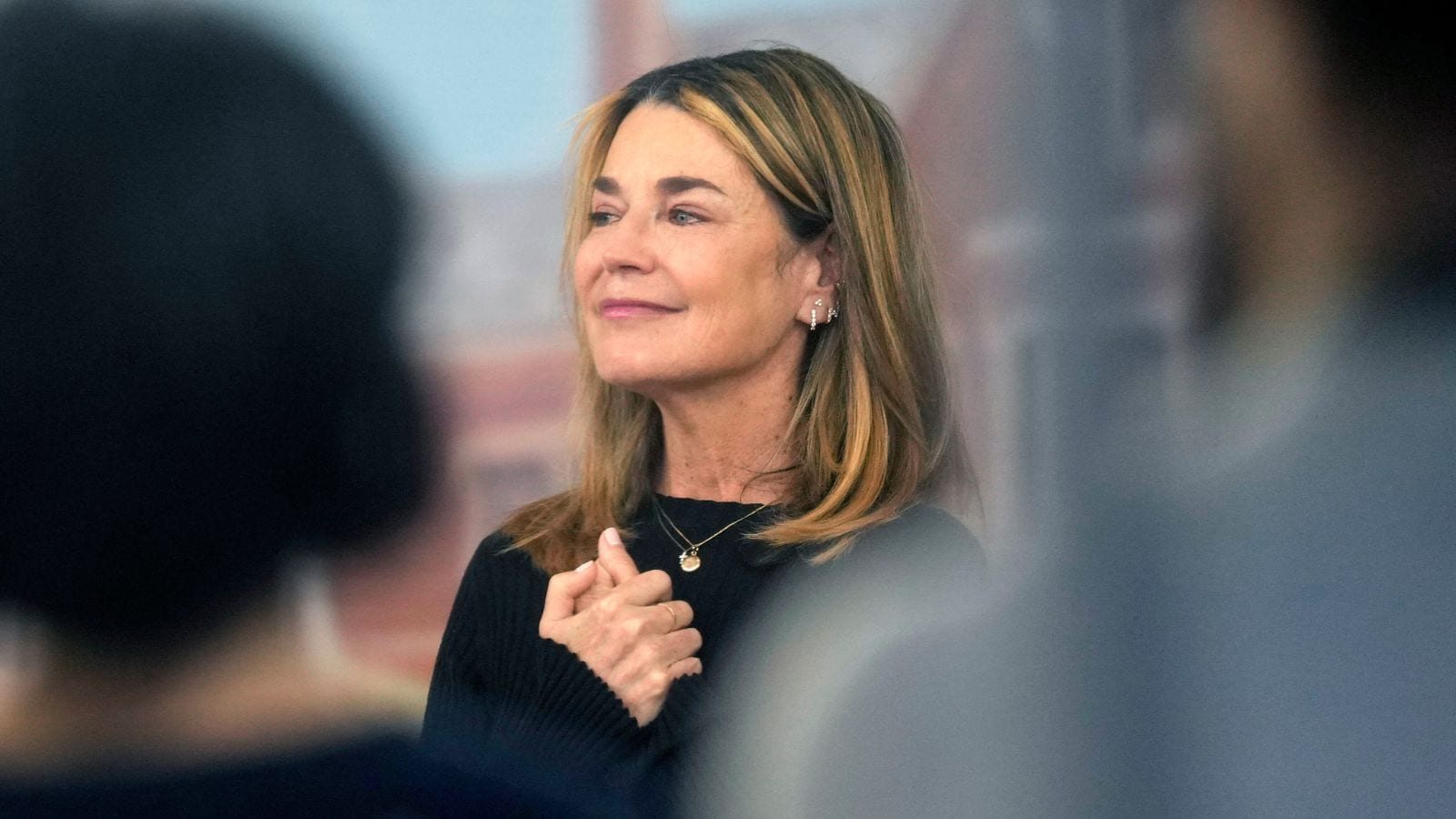
The lights of Studio 1A are unforgiving, but the silence between segments is worse. For two months, the chair next to Hoda Kotb remained a void, filled only by a rotating cast of substitutes and the heavy, unspoken weight of a true-crime nightmare playing out in real time. Savannah Guthrie is returning to the Today show anchor desk this week, marking the end of a hiatus forced by the abduction of her mother. While the network prepares a polished "welcome home" montage, the reality behind the scenes is far more jagged. This isn't just a host coming back from a leave of absence. This is a high-stakes experiment in how much personal trauma a morning news brand can absorb before the artifice of "America’s First Family" begins to crack.
Guthrie’s absence was not a standard vacation or a contract dispute. It was a dark, public disappearance that stripped away the professional veneer she has spent decades buffing. When a public figure’s private agony becomes the lead story on the very news cycle they are paid to manage, the power dynamic shifts. NBC News executives are now walking a tightrope. They need Guthrie’s authoritative, legalistic mind to anchor the 7:00 AM hour, but they are also acutely aware that the audience now views her through a lens of profound pity. That is a dangerous currency in the world of broadcast news, where the anchor is supposed to be the steady hand, not the subject of the tragedy. Discover more on a related subject: this related article.
The Strategy of the Soft Reentry
Network television operates on a rhythm of manufactured normalcy. For sixty days, that rhythm was broken. Every time a fill-in anchor sat in Guthrie’s seat, the viewers were reminded of the unresolved investigation into her mother’s whereabouts. The "abduction" keyword became synonymous with the Today brand in a way that marketing teams found impossible to pivot away from.
The decision to bring her back now, despite the lack of a definitive resolution in the case, is a calculated business move. Morning shows are the primary profit engines for news divisions. Every week Guthrie was gone, the chemistry of the show felt experimental. NBC is betting that her return will provide a ratings spike fueled by voyeurism and genuine sympathy, but they are also risking a long-term decline if the "heaviness" of her situation dampens the show’s traditionally caffeinated mood. More journalism by Wall Street Journal highlights related views on the subject.
They are choosing a soft reentry. Sources indicate Guthrie will not lead with a grueling sit-down interview about her trauma. Instead, she will be folded back into the standard mix of political hard-talk and cooking segments. It is an attempt to force the genie back into the bottle. By acting as if things are back to business as usual, the network hopes the audience will follow suit.
The Unresolved Investigation and the Anchor’s Credibility
Journalism requires a certain distance. Guthrie, a trained attorney and a sharp interviewer, has built her career on asking the difficult "why" of others. Now, she is the one with the unanswered questions. The investigation into her mother’s disappearance remains active, stagnant, and frustratingly quiet. Law enforcement in the jurisdiction has been tight-lipped, a fact that has led to rampant speculation in less reputable corners of the media.
There is a fundamental tension here. How does an anchor report on crime, police efficacy, or national security when her own family is currently a victim of a system that hasn't provided answers? This is the "overlooked factor" that most industry analysts are ignoring. Guthrie’s objectivity isn't the problem; it’s the perception of her vulnerability. If she interviews a high-ranking official about public safety, the subtext will be deafening.
The Burden of the Morning News Format
The 8:00 AM and 9:00 AM hours of Today are notoriously light. They involve banter about viral TikToks, fashion trends, and celebrity cameos. For a woman whose mother was forcibly taken and remains missing, engaging in a segment about "The Best Summer Mocktails" is a gargantuan psychological ask.
- The Emotional Tax: Viewers expect their morning anchors to be "relatable," but there is a limit to how much reality a morning show can handle.
- The Co-Host Dynamic: Hoda Kotb has shouldered the emotional weight of the show during this gap. The chemistry between the two will be under a microscope. Any sign of strain will be interpreted by the tabloid press as a rift.
- The Ratings Pressure: Good Morning America has been nipping at NBC’s heels for years. A prolonged absence of a lead anchor usually results in a 3% to 5% drift in core demographics.
Behind the Scenes at 30 Rock
The internal memos at NBC have been remarkably sparse. This reflects a shift in how networks handle the personal crises of their stars. In the past, a host might be encouraged to share every detail for the sake of "authenticity." Today, the legal and privacy concerns are paramount. Guthrie has reportedly been "fiercely protective" of the investigation’s integrity, refusing to allow the network to use her mother’s story as a recurring segment or a "special report."
This creates a vacuum. In the absence of information, the public creates its own narrative. The "hard-hitting" truth is that Guthrie is returning to work not because the crisis is over, but because the work is the only thing she can control.
The industry is watching to see if her return stabilizes the ship or if the weight of the unresolved abduction becomes an invisible third anchor. There is no playbook for this. Most celebrity crises involve scandals or health scares—things with a beginning, middle, and an end. A missing person case is a perpetual middle. It is a state of constant, low-grade mourning.
The Future of the Brand
NBC has invested hundreds of millions of dollars into the "Savannah and Hoda" era. They cannot afford for Guthrie to be seen as a "tragic figure" indefinitely. The transition back to being a premier journalist must be swift, or the network will eventually look for a way to transition her to a less visible role, perhaps in long-form specials or a purely legal analyst capacity.
This week is a test of the audience's appetite for reality. We claim we want "real" people on our screens, but the morning news is a comfort product. We want to be told the world is okay while we drink our coffee. Savannah Guthrie’s presence is a reminder that the world is often not okay at all.
If she can command the desk while carrying this burden, she becomes untouchable—a journalist with a level of gravitas that no one else in the field can match. If the weight shows, the cracks in the morning show format will only widen.
Keep a close eye on the Thursday broadcast. Watch the eyes, not the teleprompter. That is where the real story will be told.