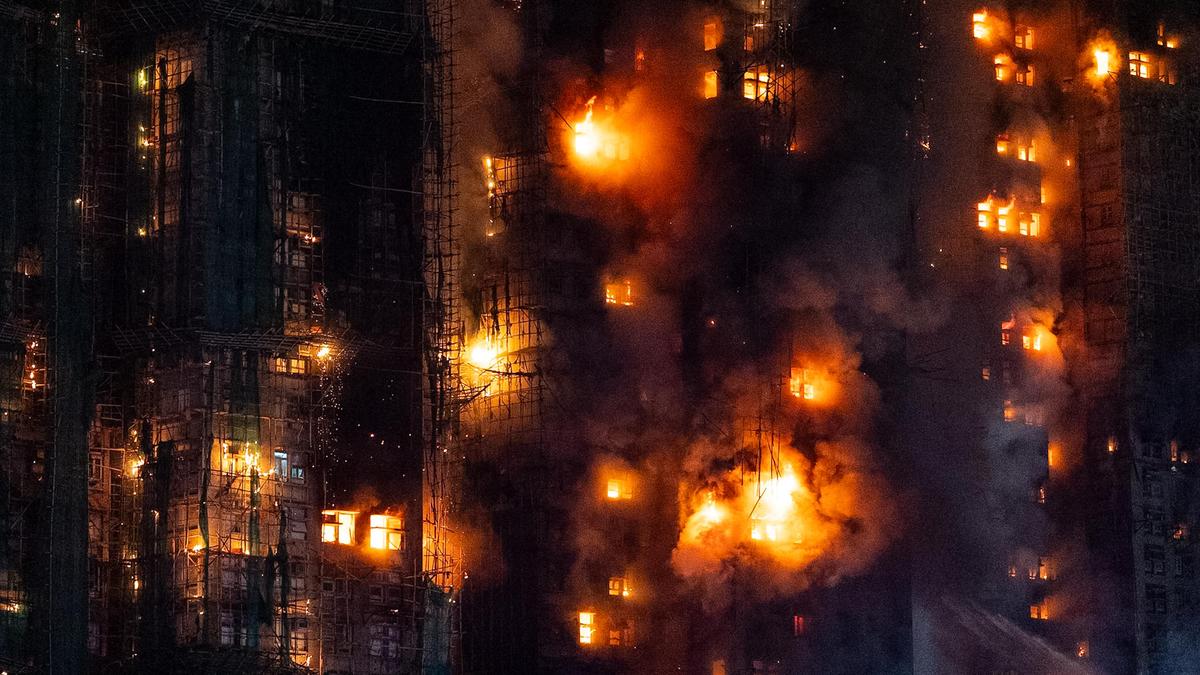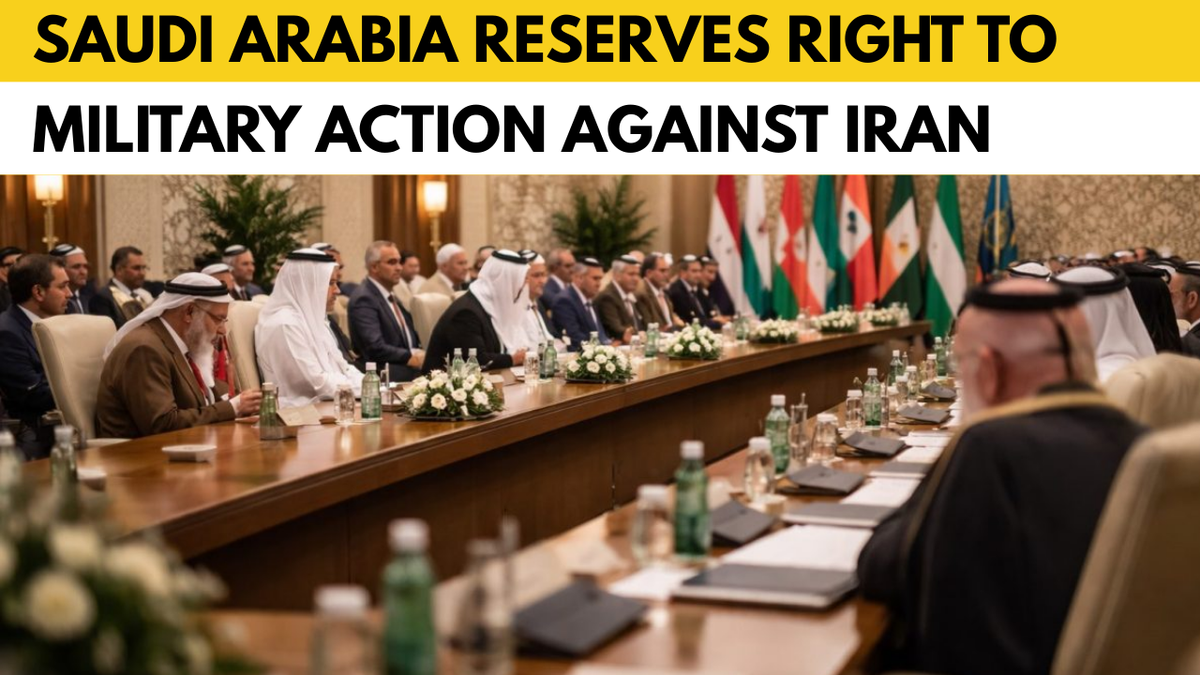
The smoke over the Persian Gulf isn't just a signal of local skirmishes anymore. It’s the visual evidence of a regional order collapsing in real-time. While Western headlines often treat Middle Eastern tension as a static background noise, the emergency talks hosted by Saudi Arabia this week represent a frantic pivot. Riyadh isn't just "concerned" about Iran. They're terrified that the window to prevent a total multi-front collapse is slamming shut.
You’ve likely seen the reports of drone strikes and naval provocations. But those are just the symptoms. The real story is how the traditional power players are losing their grip on the escalation ladder. When Saudi officials summon regional leaders for "urgent" dialogue, they aren't looking for a photo op. They're trying to figure out how to survive a conflict that has already spilled past the borders of Yemen, Iraq, and Syria.
The Mirage of De-escalation
For the last year, there was a hopeful narrative that China-brokered deals might actually hold. That's dead now. Tehran's strategy has shifted from using proxies as a shield to using them as a sword. We’re seeing a coordinated squeeze play. By activating the "Axis of Resistance" simultaneously, Iran has forced Saudi Arabia into a corner where neutrality is no longer an option.
If you think this is just about ancient religious rivalries, you're missing the point. It's about energy security and the literal flow of global trade. The Bab al-Mandeb strait and the Strait of Hormuz are the world's jugular veins. When those get constricted, the "Iran war" stops being a regional headline and starts being the reason your grocery bill doubles. Saudi Arabia knows that if they can't guarantee safety in these waters, their Vision 2030 economic dreams are essentially landfill.
Why Riyadh is Scrambling Right Now
Riyadh’s sudden diplomatic blitz isn't a sign of strength. It’s a sign of a massive intelligence realization. The Saudi leadership has likely seen data suggesting that Iran’s internal pressures are pushing the Islamic Revolutionary Guard Corps (IRGC) toward more aggressive external distractions.
- Proxies are getting bolder. The Houthis aren't just firing at ships; they’re testing the limits of regional missile defense systems daily.
- The US footprint is awkward. While Washington provides the hardware, there's a growing sense in the Gulf that the American appetite for a hot war with Iran is zero.
- Economic sabotage. A single successful strike on a major desalination plant or a processing facility like Abqaiq would set the Saudi economy back a decade.
Honestly, the "talks" are a desperate attempt to build a unified Arab front before the next major kinetic event happens. It’s hard to stay "neutral" when your neighbors are hosting the very launchpads used to target your infrastructure.
The Iranian Gambit and the Risk of Miscalculation
Tehran plays a different game. They don't need to win a conventional war. They just need to make the cost of peace too high for everyone else. By escalating across the Gulf, they’re telling the Saudis that no amount of Western protection can save them from their geography.
We often hear about "surgical strikes." In this theater, there’s no such thing. Any strike on Iranian soil or a major IRGC asset triggers a ripple effect through Hezbollah in Lebanon and militias in Iraq. It’s a spiderweb. You pull one thread, and the whole thing vibrates. The Saudi emergency summit is basically a group of leaders sitting around a table trying to figure out which thread to cut without bringing the roof down.
The Drone Factor is Changing Everything
The math has changed. You don't need a billion-dollar air force to cripple a nation anymore. A swarm of $20,000 suicide drones can overwhelm a Patriot missile battery that costs millions per interceptor. The cost-benefit ratio is heavily skewed in Iran's favor. Saudi Arabia is spending a fortune to defend against "cheap" warfare. That's not a sustainable strategy.
During these talks, expect the focus to be on integrated defense. The Gulf states want a "Middle East NATO" feel, but without the formal treaty that would trigger a massive Iranian retaliation. It’s a tightrope walk. They want the protection of a bloc without the target on their back that comes with a formal alliance.
What Happens if the Talks Fail
If this diplomatic push doesn't yield a tangible cooling-off period, we’re looking at a summer of fire. The escalation isn't linear. It’s exponential. We move from "seizing tankers" to "disrupting entire power grids" very quickly.
Saudi Arabia is trying to leverage its role as the de facto leader of the Islamic world to shame Tehran into backing off. But shame doesn't work on a regime that views this struggle as existential. The real lever is money. Riyadh might be offering economic carrots behind closed doors, but with sanctions still heavy, there’s only so much they can do.
The Global Fallout is Already Brewing
Don't wait for a formal declaration of war to realize the situation is dire. Watch the insurance premiums for shipping in the Gulf. Watch the movement of Chinese warships in the region. China is Iran’s biggest customer, and if Beijing decides their energy flow is at risk, they might step in—not as a peacemaker, but as a discipline-enforcer.
The Saudi-led talks are the last exit on the highway to a broad regional conflict. If these negotiations don't produce a secret "understanding" between Riyadh and Tehran within the next few weeks, the kinetic activity in the Gulf will likely transition from "escalation" to "standard operating procedure."
You need to pay attention to the specific rhetoric coming out of these meetings. Ignore the "unity" and "brotherhood" fluff. Look for mentions of "collective security" and "maritime sovereignty." That’s the code for "we are preparing for the worst."
Keep your eye on the Houthi response to these talks. If the attacks on shipping continue or intensify while the Saudis are talking, it means Iran has no intention of de-escalating. It means the talks were a failure before they even started.
Monitor the Brent Crude prices and the volatility index. If you see a sudden spike without a specific strike, it means the big players know something you don't. The Gulf is a tinderbox, and someone just dropped a lit match. Stay informed, watch the shipping lanes, and don't assume the status quo is coming back anytime soon.