You think you’re going home, or at least you think the worst part of your journey is over when the US plane touches down in San Salvador. But for hundreds of Salvadorans recently kicked out of the United States, the nightmare didn't end on the tarmac. It just shifted into a much darker gear.
A bombshell report from Human Rights Watch just confirmed what many of us have feared for months. Salvadoran nationals deported from the US are being snatched up by their own government the second they land. They aren't going back to their families. They aren't even getting a phone call. They’re effectively vanishing into the maw of El Salvador’s "state of exception," a legal black hole that’s been swallowing citizens for nearly four years now.
If you’re following the news, you know President Nayib Bukele is famous for his "iron fist" approach to gangs. It's popular. It's brought the murder rate down to historic lows. But this report shows the cost of that "safety" is being paid by people who haven't even lived in El Salvador for years.
The Disappearance Pipeline from DC to San Salvador
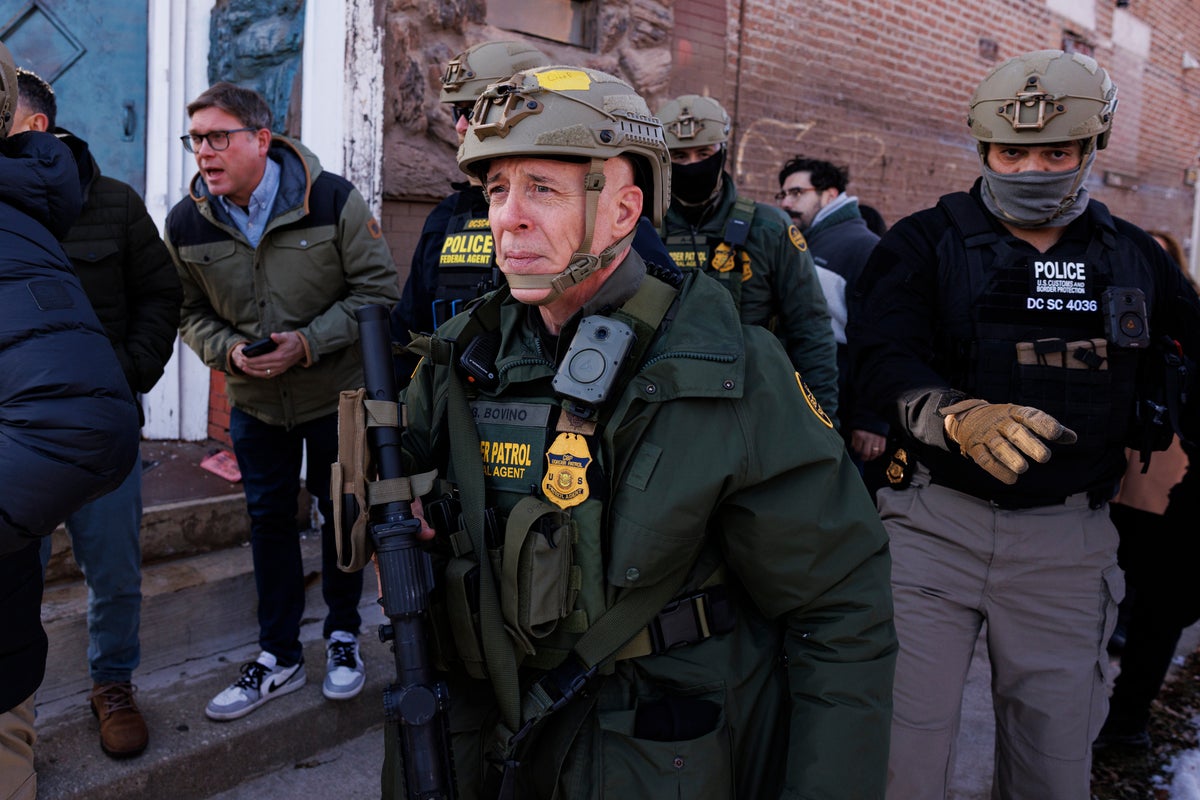
Since January 2025, over 9,000 Salvadorans have been deported from the United States. While the US government claims it's targeting violent criminals, the numbers tell a different story. Human Rights Watch analyzed ICE data and found that only about 10.5% of those 9,000 people had a conviction for a violent or potentially violent crime in the States.
The rest? They’re people with old drug possession charges, minor infractions, or no criminal record at all. Yet, once they arrive, they’re being treated like high-level terrorists.
I’ve seen reports of families waiting at the airport, holding signs for their sons and brothers, only to watch them be led away in handcuffs by Salvadoran police. No explanation. No warrants. Just a one-way trip to a prison cell. This isn't just "tough on crime" policy. It's a systematic erasure of due process.
Life Inside the Mega Prison
Some of these deportees are being sent straight to the Center for Terrorism Confinement, or CECOT. It’s the "mega prison" Bukele built to house 40,000 gang members. It's a place where the lights never go out, where you sleep on steel bunks without mattresses, and where you aren't allowed to see a lawyer or your family.
Human Rights Watch interviewed 20 relatives and lawyers of 11 specific deportees. Not one of those 11 people has been allowed to talk to their family since they were detained. They’ve essentially become "disappeared" by the state.
- No communication: Families don't know if their loved ones are alive.
- No judicial oversight: Most haven't seen a judge, despite months in custody.
- No legal defense: Lawyers are being blocked from even entering the facilities.
Why This is a Massive Failure of US Policy
The US government can't just wash its hands of this. When you deport someone to a country where you know they face a high risk of torture or arbitrary detention, you're violating international law. It’s called "non-refoulement," and it's a basic human rights principle.
The Trump administration has been aggressive about these removals, but there’s a serious lack of vetting happening on the ground. Take the case of Kilmar Ábrego García. He was deported in March 2025 because of what the US later called an "administrative error." By the time a federal judge ordered him brought back to the US in June, he’d already been abused in a Salvadoran prison.
It’s easy to look at a list of names and see "gang members," but the reality is way messier. Many of these people fled El Salvador decades ago because of the gangs. Now, they’re being sent back and branded as the very thing they were running from.
The Venezuelan Connection
Last year, the US started sending Venezuelan migrants to El Salvador too. They were packed onto planes, sent to San Salvador, and then many were dumped into CECOT alongside the Salvadoran deportees.
Reports from that period are harrowing. Former detainees talk about "The Island," a section of the mega prison where guards allegedly use beatings and solitary confinement for minor "offenses" like talking too loudly. If the US is paying or cooperating with El Salvador to take these people, we’re effectively outsourcing human rights abuses.
Don't Buy the "Safety" Narrative without Looking Closer
Look, it’s true that El Salvador is safer for the average person walking down the street than it was five years ago. You can’t argue with the drop in homicides. But we have to ask: what’s the breaking point?
When a government can arrest you without a warrant just because you have a tattoo or because you just got off a plane from Los Angeles, nobody is actually safe. You’re just living at the whim of the state.
The "state of exception" has been extended 48 times as of February 2026. It’s not a temporary measure anymore. It’s the new legal reality. Over 91,000 people are in jail. That’s nearly 2% of the entire population. El Salvador now has the highest incarceration rate in the world, and there’s no sign of the government slowing down.
What Families Can Actually Do
If you have a loved one who was recently deported to El Salvador and you haven't heard from them, you aren't alone. But you’re also in a very tough spot.
- File a Habeas Corpus: You’ll need a local Salvadoran lawyer for this. Most of these petitions are being ignored or delayed, but it creates a legal paper trail.
- Contact International Bodies: Groups like the Inter-American Commission on Human Rights (IACHR) are actually tracking these cases. In some instances, they’ve successfully pressured El Salvador to at least admit where a person is being held.
- Pressure US Representatives: If the deportee had a legal path to stay or was removed unfairly, their US-based family needs to get loud. The Ábrego García case proved that federal judges in the US can sometimes pull people back if the error was on the American side.
The situation in El Salvador is a warning. It’s what happens when we prioritize "results" so much that we stop caring about how we get them. If you’re a Salvadoran living in the US right now, even with a minor record, the stakes for your return have never been higher. Don't wait until a deportation order is signed to start fighting your case. The moment you land in San Salvador, the rules of the game change, and the house always wins.