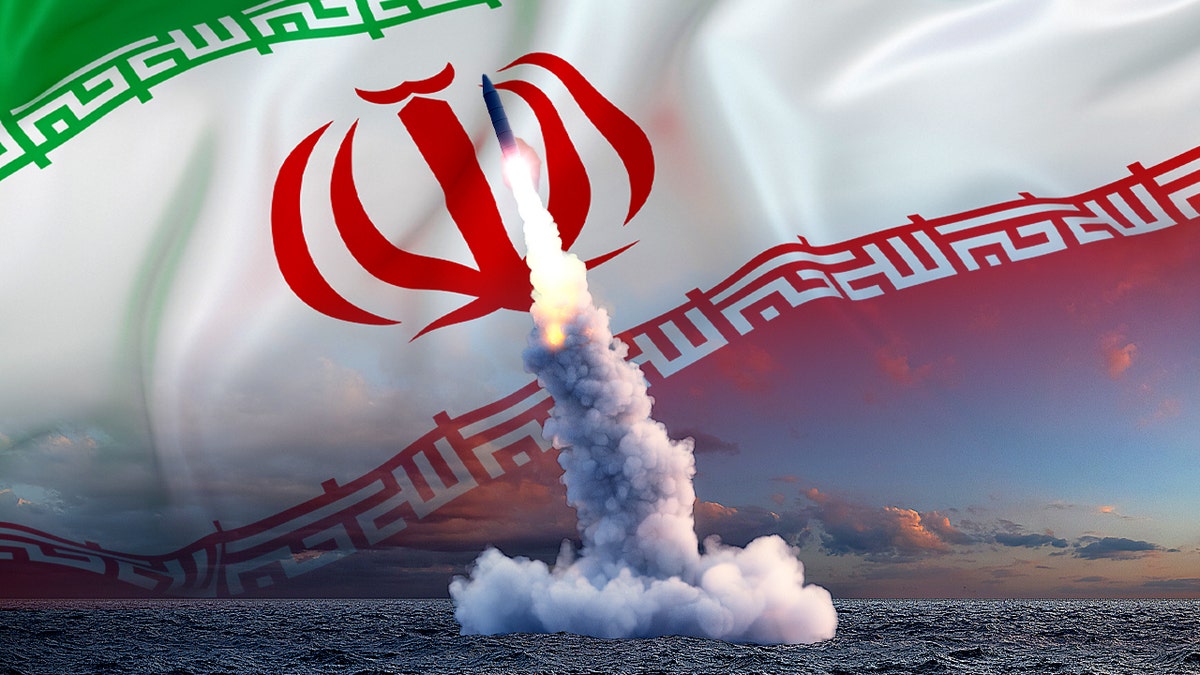
The math of modern warfare is brutal, and right now, it’s working entirely in Vladimir Putin’s favor. For the last four years, Ukraine has been the primary destination for the West’s most sophisticated air defense hardware. But as of March 2026, the focus has shifted. With the U.S. and Israel now actively engaged in a hot war with Iran, the "limited" stockpile of Patriot interceptors isn't just a talking point—it's a critical point of failure that Russia is already beginning to exploit.
We aren't talking about a hypothetical scenario. In just the first three days of the conflict in the Middle East, over 800 Patriot interceptors were fired to protect U.S. assets and Gulf allies from Iranian barrages. To put that in perspective, that’s more missiles than Ukraine has received in total since the full-scale invasion began in 2022.
The reality is that Lockheed Martin only cranks out about 600 PAC-3 missiles a year. You don't need a degree in logistics to see the problem. Demand has spiked by 500% while supply remains a flat line. If you're sitting in the Kremlin, this isn't just a distraction for your enemies; it's an open invitation to level Ukraine's remaining power grid while the "global fire truck" is busy in the Persian Gulf.
The Patriot trap and the arithmetic of exhaustion
The Patriot system is the only thing standing between Ukrainian cities and total destruction from Russian ballistic missiles like the Iskander and the Kinzhal. Other systems can handle drones, but for the heavy hitters, it’s Patriot or nothing.
Russia knows this. They’ve spent the winter months launching massive "combined" salvos. They send cheap, Iranian-designed Shahed drones first to force Ukraine to reveal its radar positions and burn through smaller interceptors. Then, they follow up with the ballistic missiles.
In February 2026, Russia hit a four-year high for missile strike intensity. They launched 32 ballistic missiles in a single night last month. When each Patriot interceptor costs roughly $3 million to $4 million, and the U.S. is currently burning through its own stocks to defend the Strait of Hormuz, Ukraine’s "Prioritised Requirements List" (PURL) is looking more like a wish list than a supply chain.
Why the Middle East war is a gift to Moscow
It’s not just about the missiles. It’s about the money and the attention. The Iran conflict has done three things for Russia that they couldn't achieve on the battlefield:
- Oil Revenue Spikes: With the Strait of Hormuz effectively closed, Brent crude has jumped to $84 a barrel. Russia’s Urals blend is selling at $70—well above the price cap the West tried to enforce. Putin’s war machine is suddenly flush with cash again.
- The Diplomatic Black Hole: Every hour the State Department spends coordinating strikes on Tehran or negotiating with Gulf leaders is an hour they aren't spending on Ukraine. The "Ukraine fatigue" we’ve heard about for years has been replaced by an "Iran emergency."
- The Manufacturing Squeeze: Even with plans to ramp up PAC-3 production to 2,000 units by 2030, that's four years away. Ukraine needs those missiles tonight.
Zelenskyy’s desperate gamble
President Zelenskyy isn't sitting around waiting for the leftovers. He’s trying a move that sounds like something out of a techno-thriller. He has offered to send Ukrainian drone-interceptor teams and their battle-hardened tech to the Gulf states.
The pitch is simple: "You have the Patriots we need, and we have the cheap drone-killing tech you need to stop Iran’s Shaheds without wasting $4 million missiles."
It’s a smart play. Ukraine has the most experience in the world at downing mass drone swarms. In February, they reported a 70% success rate against drones around Kyiv. If they can swap their expertise and domestic drones for the Gulf's Patriot stocks, they might survive the year. But there’s a catch. Integrating Ukrainian tech into a U.S.-built defense architecture isn't a "plug and play" situation. It requires Washington’s sign-off, and the Pentagon is currently a little busy.
What happens if the shield breaks
If the shortage isn't addressed by April, we’re going to see a shift in Russian tactics. They won't just hit frontline positions; they’ll go for the "unlivable" strategy. By targeting water supplies, logistics hubs, and the few remaining large-scale power transformers, Russia can force a civilian exodus that breaks Ukraine’s internal stability.
Western intelligence already suggests that Russia’s domestic factories are churning out Shahed clones at a rate that doesn't depend on Iranian shipments anymore. So, while Iran is busy fighting the U.S., Russia still has a steady supply of the very weapons that are draining Ukraine’s defenses.
Don't expect a quick fix
There’s a lot of talk about European nations stepping up. Italy and Germany have pledged a handful of interceptors, and the UK has thrown some cash into the PURL fund. It’s better than nothing, but it’s a drop in the bucket compared to the 800 missiles used in the Middle East in 72 hours.
The reality is that Western industrial capacity has been caught flat-footed. We’ve spent thirty years building "just-in-time" militaries designed for small-scale interventions. We aren't ready for two simultaneous high-intensity wars that both demand the same specialized ammunition.
If you want to track how this ends, don't look at the territorial maps of the Donbas. Look at the shipping manifests for Lockheed Martin and the daily oil price in Vladivostok. That’s where the war is being won or lost right now.
Next Steps for Tracking the Conflict
- Watch the "Swap" Negotiations: Keep a close eye on any movement regarding Zelenskyy's drone-for-Patriot proposal. If a Gulf state like the UAE or Saudi Arabia actually pulls the trigger on this, it could provide a temporary "air defense bridge" for Kyiv.
- Monitor Russian Ballistic Salvos: If Russia suddenly increases its use of Kinzhals while drone attacks decrease, it’s a sign they believe Ukraine’s Patriot stocks are finally at the breaking point.
- Check the PURL Delivery Dates: Any further delay in the Prioritised Ukraine Requirements List deliveries usually signals that the U.S. is diverting production to its own units in the Middle East.