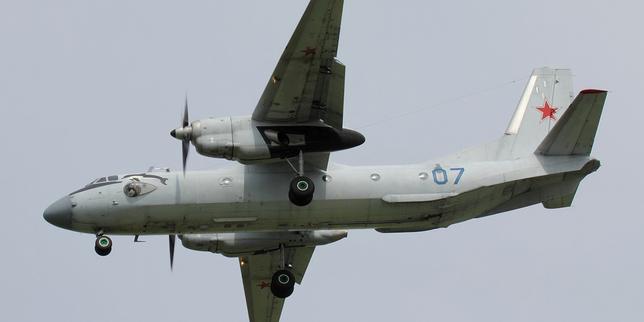
Russia just lost another military aircraft and twenty-nine people are dead. The crash happened right after the plane finished a flight over Crimea, a region that’s basically a massive powder keg right now. While the Kremlin usually rushes to blame technical failure or pilot error, this isn't just another accident in a vacuum. It's a symptom of a much larger, uglier reality for the Russian Aerospace Forces (VKS) as the war drags into its fourth year.
You’ve got to look at the timing and the location. Crimea is the nerve center for Russian operations in the south. When a military transport or surveillance bird goes down after circling that airspace, it raises immediate questions about air fatigue, maintenance shortcuts, and the sheer pressure of constant combat sorties. Moscow is struggling to keep its aging fleet in the air, and these "accidents" are becoming a regular feature of the conflict.
Why the Crimea Connection Matters So Much
Crimea isn't just a vacation spot or a symbolic prize. It's a fortress. Since 2014, Russia has packed the peninsula with S-400 missile systems, radar arrays, and fighter wings. But that density creates its own problems. The "friendly fire" risk is through the roof. We've seen multiple instances where Russian air defenses, twitchy from frequent Ukrainian drone strikes, have accidentally locked onto their own planes.
I’m not saying that’s definitely what happened here, but you can’t ignore the pattern. The Russian military is operating under a cloud of paranoia. Ukraine’s ability to hit targets deep inside Crimea using Storm Shadow missiles and sea drones has forced Russian pilots to fly more complex, stressful routes. When you combine high-stress environments with planes that haven't been properly serviced because of Western sanctions on high-tech parts, things break. People die.
The Human Cost and the Technical Failure
Twenty-nine deaths is a massive blow. In the world of military aviation, losing nearly thirty personnel in a single incident usually means a transport plane or a specialized command-and-control aircraft went down. These aren't just recruits; often, they’re highly trained technicians, navigators, and officers who are incredibly hard to replace.
The Russian defense ministry loves to keep things vague. They'll talk about "technical malfunctions" until the cows come home. But think about what that actually means. It means the logistical chain is snapping. Russia’s aviation industry relies heavily on imported components—bearings, avionics, specialized lubricants—that are now much harder to get. They’re cannibalizing older planes to keep the newer ones flying. It’s a desperate strategy that leads to catastrophic failures in mid-air.
The Myth of Russian Air Dominance
At the start of this invasion, everyone expected Russia to wipe the Ukrainian Air Force off the map in forty-eight hours. It didn't happen. Now, in 2026, the VKS is essentially a "fleet in being" that’s too scared to fly deep into Ukrainian-controlled airspace. They sit back and lob glide bombs from a distance.
This latest crash near Crimea shows that even when they aren't being shot at by the enemy, they're still losing the war of attrition. You don't need a Patriot missile to take down a plane if the engines are worn out and the ground crew is exhausted. This is what a slow-motion collapse looks like.
The Strategic Impact on the Front Lines
Every time a Russian military plane hits the ground, it changes the math for the commanders in the Donbas. These planes are used for moving high-value cargo, electronic warfare, or troop transport. If Russia can’t guarantee the safety of its own airspace over Crimea, their entire logistics hub in the south becomes a liability.
Ukraine watches these events closely. They don’t even have to claim responsibility to benefit from the chaos. The psychological impact on other Russian pilots is huge. Imagine being told to fly a mission in the same corridor where your colleagues just fell out of the sky. It breeds hesitation. It leads to mistakes.
What the Kremlin is Hiding
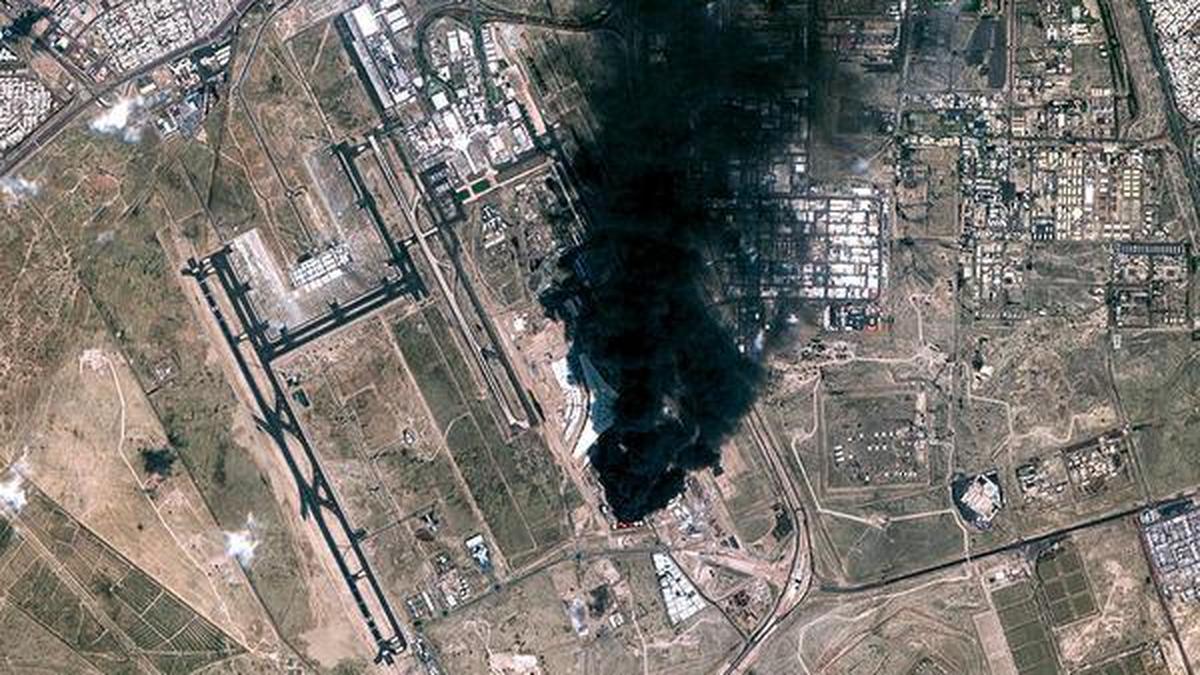
Official Russian media will likely bury this story under a pile of reports about "heroic advances" elsewhere. They hate admitting vulnerability. But if you look at satellite imagery and independent tracking data, the gaps are showing. The frequency of these non-combat losses has spiked by over 40% since the high-intensity phase of the war began.
The reality is that Russia is burning through its airframe hours at an unsustainable rate. A plane designed to last 20 years is being used up in five. Metals fatigue. Sensors fail. Humans get tired and skip a check on the pre-flight list. This crash is a reminder that the machine is grinding itself to pieces.
Moving Forward in the Air War
If you're following this conflict, stop looking for the "big" breakthrough on the ground for a second and watch the skies. The attrition of the Russian Air Force is one of the most significant developments of the last year. Every lost airframe is a permanent reduction in Russia’s ability to project power.
Keep an eye on the official "investigation" results, though don't expect the truth. Watch instead for changes in flight patterns around Sevastopol and Simferopol. If Russia starts grounding specific models or shifting flights further east, you’ll know the problem is systemic. The war is won or lost in the details of the supply chain, and right now, Russia’s chain looks like it’s made of wet paper.
Watch the tail numbers. Check the open-source intelligence feeds. The next few weeks will tell us if this was a freak accident or the start of a total aviation meltdown. If you're betting on Russian air power, it's time to hedge your bets.