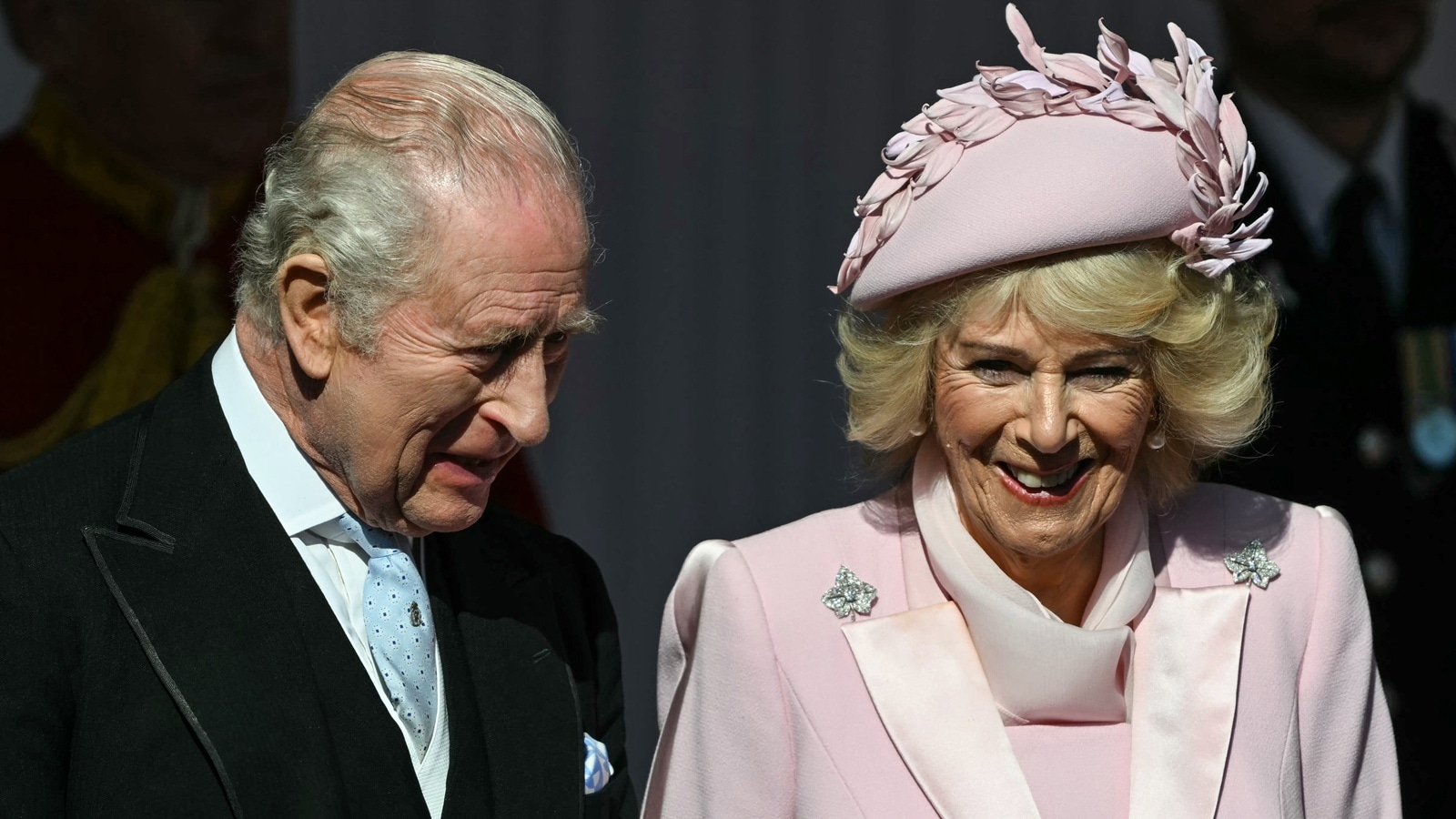
The media is currently salivating over the logistics of King Charles III’s upcoming visit to the United States and Bermuda. They’re counting the vintage of the wines, debating the thread count of the linens, and speculating on the "renewed special relationship" between London and Washington. It’s a comfortable, dusty narrative that treats the British Monarchy as a high-functioning diplomatic engine.
It isn't.
This visit isn't a masterstroke of soft power. It’s an expensive, performative exercise in managed decline. While pundits argue that the King's presence "stabilizes" transatlantic ties, the reality is that the era of the Royal Family as a meaningful geopolitical asset is dead. If you think a state dinner in D.C. or a photo op in Hamilton moves the needle on trade deals or defense pacts, you aren't paying attention to how power actually aggregates in 2026.
The Soft Power Fallacy
The "lazy consensus" dictates that the Monarchy provides the UK with a unique "brand" that opens doors. This is a misunderstanding of how modern influence works. Real influence is a function of economic gravity and military utility.
When a British monarch visits the US, they aren't there to negotiate. They are a decorative distraction. While the King shakes hands, the actual levers of power—AI regulation, energy security, and semiconductor supply chains—are being pulled by tech giants and career bureaucrats who don't care about a crown.
I have watched diplomatic circles burn through millions of pounds on these tours. They justify the cost by citing "goodwill." But goodwill doesn't lower tariffs. It doesn't solve the Northern Ireland Protocol. It doesn't make the US more likely to sign a comprehensive free trade agreement. In fact, the pageantry often highlights the UK’s obsession with its past rather than its utility in the future.
Bermuda and the Decolonization Trap
The stop in Bermuda is being framed as a celebration of historic ties. This is a strategic blunder. In a world where the Caribbean and Commonwealth nations are increasingly scrutinizing their colonial histories and demanding reparations, a Royal visit serves as a lightning rod for resentment, not a bridge for cooperation.
By appearing in Bermuda, the Crown forces a conversation it is ill-equipped to win. The King cannot offer what these nations actually want: financial restitution or total sovereignty. Instead, he offers a wave and a speech about "shared values." It’s a mismatch of supply and demand. The optics aren't "grand"; they’re awkward. They remind the world that the UK is still clinging to the remnants of an empire that the rest of the world has moved past.
The Economic Ghost in the Room
Let’s talk about the money. State visits are billed as "trade missions" in fancy dress. But look at the data. The correlation between a Royal visit and a long-term spike in Foreign Direct Investment (FDI) is nearly non-existent.
Investors don't move capital because a King visited a factory. They move capital because of tax incentives, labor skillsets, and regulatory clarity. To suggest otherwise is to insult the intelligence of the global market.
- Trade flows are dictated by the World Trade Organization (WTO) frameworks and bilateral treaties, not by how well a monarch can handle a lobster fork.
- Tourism spikes attributed to Royal events are often offset by the massive security and logistical costs borne by the taxpayer.
- Brand Britain is increasingly tied to the UK’s tech sector and financial services, both of which operate perfectly fine without a sovereign’s endorsement.
The US-UK Special Relationship Is A One-Way Mirror
The American fascination with the British Royals is often mistaken for political leverage. Americans love the "show" of the Monarchy because they don't have to pay for it or live under its constitutional complexities. It’s entertainment.
When Charles lands in Washington, he’s competing with Hollywood and Silicon Valley for the American public's attention. For the US government, he is a "low-stakes" guest. Hosting him is a polite gesture, a nod to history, but it holds zero weight in the Oval Office when the topic turns to AUKUS or NATO spending. The "Special Relationship" exists in the intelligence-sharing bunkers of Cheltenham and Maryland, not in the ballroom of the White House.
The Reality Of Managed Decline
If the UK wanted to exert real influence in 2026, it would send its top researchers, its most aggressive venture capitalists, and its defense innovators. Instead, it sends a 77-year-old man in a bespoke suit to talk about organic gardening and architectural preservation.
The contrarian truth is that every day the UK spends leaning on the Monarchy for its international identity is a day it fails to build a modern one. This tour is a security blanket for a nation that is terrified of being "just another medium-sized power."
Stop Asking About The Crown And Start Asking About The Budget
People often ask: "Doesn't the King bring people together?"
Sure, he brings them together for a party. But leadership isn't about hosting a party; it’s about making hard choices in a competitive global landscape.
The premise that a Royal tour is a "win" for the UK is flawed. A win would be a breakthrough in the Trans-Pacific Partnership or a lead in the global fusion energy race. The Royal visit is a sedative. It makes the British public feel important while their actual global influence continues to contract.
The Cost of the Performance
The logistical footprint of this trip is astronomical. From the Royal Flight to the specialized security details, the cost-to-benefit ratio is laughably skewed. In a period of fiscal restraint, spending millions to send a figurehead across the Atlantic to achieve exactly zero policy shifts is an insult to the "Global Britain" slogan.
- Security: Tens of millions of pounds across three jurisdictions.
- Carbon Footprint: Highly ironic for a monarch who champions environmentalism.
- Opportunity Cost: The diplomatic bandwidth consumed by this trip could have been used for high-level trade negotiations.
The King is a dignified individual, and Charles has shown a genuine desire to be a "convener." But convening is not the same as leading. In the cold, hard reality of 2026, the UK needs more than a convener. It needs to stop pretending that its 19th-century assets can solve its 21st-century problems.
The US doesn't need to see the King to know the UK exists. It needs to see a UK that has a coherent economic strategy that doesn't involve dressing up. This April, while the cameras flash and the commentators gush over the "historic" nature of the visit, remember that you are watching a museum exhibit on a world tour.
Stop looking at the crown and start looking at the balance sheet.