The headlines are always the same. A 33-year-old in a speeding SUV strikes a vehicle in Ohio, taking the lives of a pregnant teenager and her unborn child. The public outcry follows a predictable script: "Lock him up," "Ban SUVs," or "We need more speed cameras." This emotional reflex is understandable, but it is intellectually lazy. It ignores the systemic architecture of death that we’ve built into our suburban infrastructure.
We focus on the "criminal" because it’s easier than admitting our entire approach to urban planning is a lethal failure. If you want to stop tragedies like the one in Ohio, stop screaming about individual morality and start looking at the asphalt.
The Stroad Trap
Most people look at a road and see a place to drive. Civil engineers see a "stroad"—the dangerous hybrid of a street and a road.
A road is a high-speed connection between two points. It has few intersections and no pedestrians. A street is a complex environment for people, businesses, and slow-moving traffic. When you mash them together, you get wide, multi-lane thoroughfares lined with driveways and shopping centers.
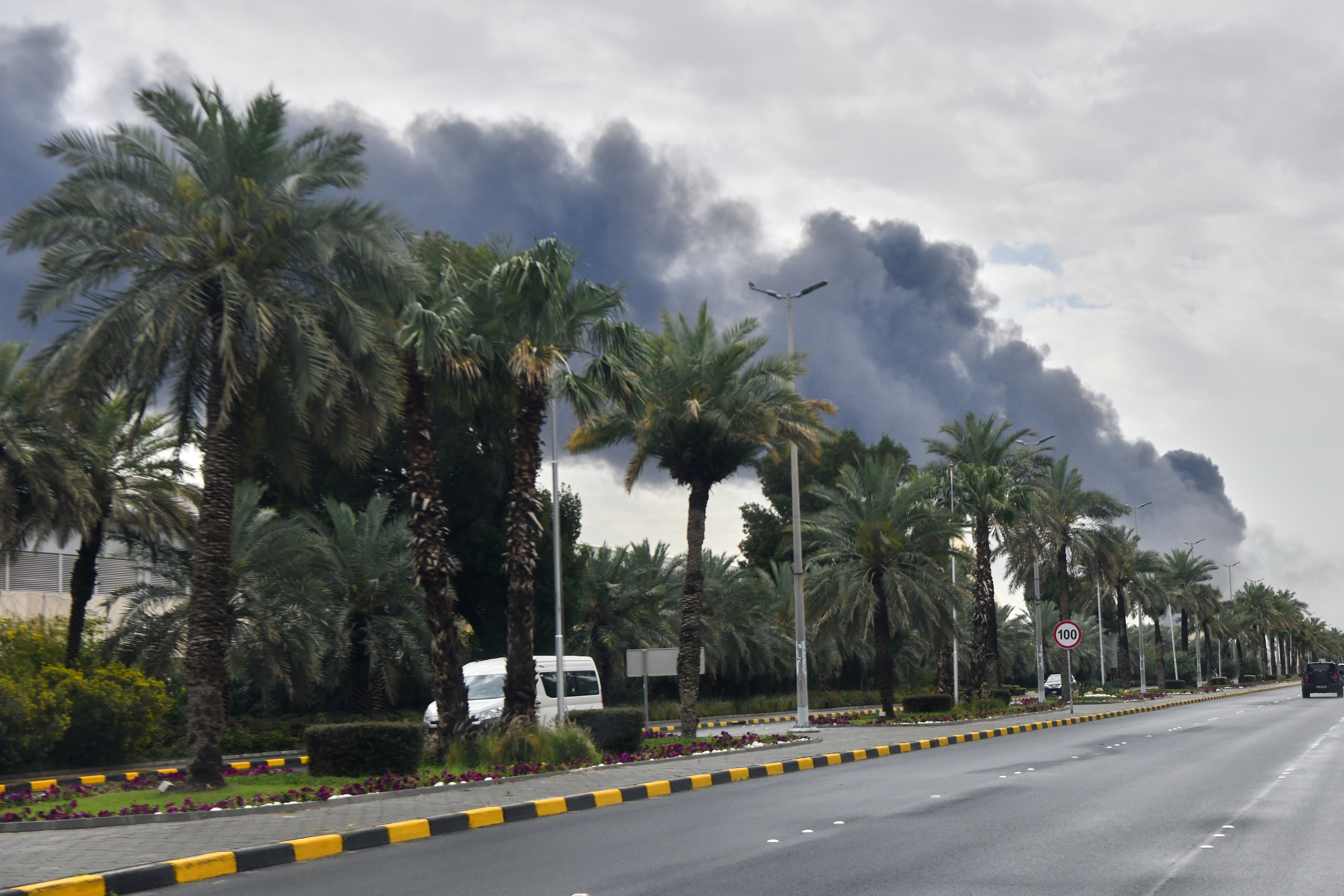
Ohio is littered with them. They are designed for 50 mph but look like they should handle 70 mph. When a driver speeds, they aren't just being reckless; they are responding to the environmental cues of the pavement. Wide lanes and long sightlines scream "Go fast." We build race tracks, put a 35 mph sign on them, and then act shocked when someone goes 60.
SUVs Are Not the Problem (The Physics Is)
The "SUV craze" is a common scapegoat. Critics argue that heavy vehicles like the one involved in this crash are the primary villains. While the kinetic energy equation $E_k = \frac{1}{2}mv^2$ proves that mass ($m$) matters, the velocity ($v$) is squared. Speed kills exponentially more than weight does.
However, the real issue with the modern SUV is not its weight, but its "blind zone" and bumper height. We have a regulatory environment that prioritizes occupant safety over pedestrian or "other vehicle" safety. A 33-year-old in a massive SUV feels invincible. That sense of security is a psychological hazard. It leads to "risk compensation"—a phenomenon where drivers take more risks because they feel protected by their vehicle's armor.
We aren't driving cars anymore; we are operating tanks in school zones.
The Myth of the "Accident"
Stop calling these events accidents. An accident implies an unavoidable act of God. This was a crash. It was the predictable outcome of a system that prioritizes throughput over human life.
When a driver hits 100 mph on a suburban street, the system has already failed. It failed at the licensing level. It failed at the engineering level. It failed at the enforcement level.
We rely on "reactive enforcement." A cop sits in a hidden driveway and writes a ticket after the danger has passed. If we were serious about safety, we would use "proactive engineering"—narrower lanes, chicanes, and raised intersections. These are physical barriers that make it impossible to speed without totaling your own car.
The Immigrant Driver Narrative
In cases involving foreign nationals or specific demographics, the conversation often veers into xenophobia or "culture clash" arguments. This is a distraction. Physics doesn't care about the driver’s passport.
Whether the driver is a 33-year-old from India or a 19-year-old from Columbus, the result of a high-speed SUV impact on a smaller car is the same. By focusing on the identity of the driver, we let the DOTs (Departments of Transportation) off the hook. We make it a story about a "bad apple" instead of a "poisoned orchard."
Why Your Local Speed Limit Is a Lie
Most speed limits in the United States are set using the "85th percentile rule." This means engineers measure how fast people are already driving and set the limit at the speed that 85% of drivers stay below.
Think about that logic. We let the most aggressive drivers dictate the safety standards of our communities. If everyone starts driving faster because the road feels like a highway, the "legal" speed limit eventually goes up. It’s a race to the bottom where the prize is a body bag.
The Cost of Convenience
The Ohio tragedy isn't just a news story; it's a bill coming due. We demanded fast commutes. We demanded massive parking lots. We demanded that every destination be reachable by a 6,000-pound vehicle at high speeds.
This is the price.
If you want to protect pregnant teens and their children, you have to be willing to sit in traffic. You have to be willing to lose a lane to a bike path. You have to be willing to support "road diets" that make driving intentionally frustrating for people in a hurry.
If you aren't willing to slow down your own life, your "thoughts and prayers" for the victims in Ohio are hollow.
The Accountability Gap
We punish the driver after the fact with prison time. This satisfies the public's thirst for vengeance, but it does zero to prevent the next crash.
True accountability would involve suing the engineering firms that design these death traps. It would involve holding city councils liable for ignoring known "hot spots" of traffic violence. Until the people who design the system feel the pain of the lawsuits, they will keep building the same way they did in the 1970s.
We have the data. We know where people die. We choose to keep those roads exactly as they are because moving cars fast is more important to our economy than keeping people alive.
Stop looking for a villain in a mugshot. Look for him in the blueprints.