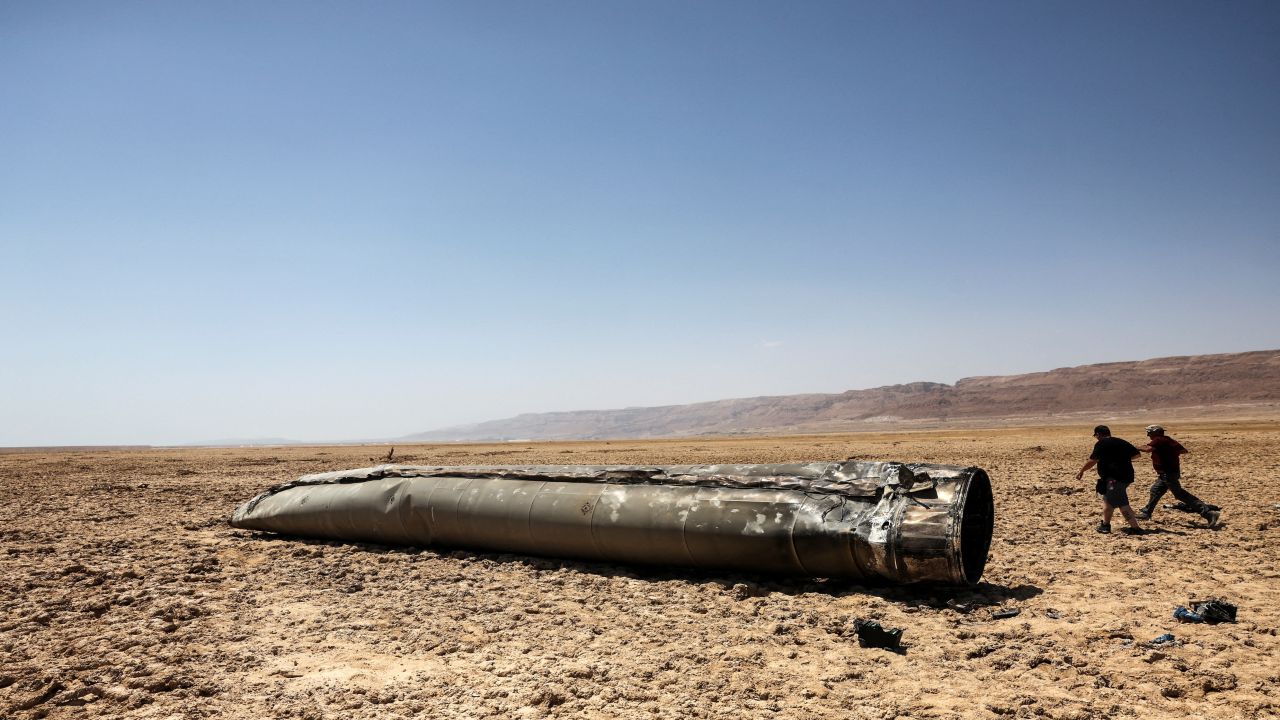
The pre-dawn silence in Riyadh’s diplomatic quarter didn't just break; it shattered. Reports confirming drone strikes on the American embassy compound in the Saudi capital mark a fundamental shift in the shadow war between Washington and Tehran. This isn't just another skirmish in a long list of proxy exchanges. It is a direct hit on the nerve center of U.S. regional interests, executed with a level of precision that renders traditional missile defense systems look like relics of a bygone era.
While the Saudi Defense Ministry scrambles to assess the wreckage, the immediate reality is clear. The "red lines" drawn by successive U.S. administrations have been crossed with impunity. This attack represents a calculated gamble by Iranian-backed actors to test the limits of American patience and Saudi resilience. It is no longer about harassment; it is about demonstrating total vulnerability.
The Myth of the Iron Dome
For years, the narrative surrounding Persian Gulf security relied on the supposed invincibility of Western-made air defenses. Billions of dollars flowed into Patriot missile batteries and sophisticated radar arrays designed to intercept high-altitude ballistic threats. The Riyadh strike proves that these systems are largely looking in the wrong direction.
Drones—low-cost, slow-moving, and capable of hugging the terrain—exploit the literal gaps in radar coverage. When a $500 drone can disable or threaten a billion-dollar diplomatic facility, the economic and tactical math of warfare flips. The attackers didn't need a stealth bomber. They needed a flight path that avoided the "eyes" of legacy sensors optimized for the Cold War.
This technological mismatch is the primary reason the embassy was hit. Modern defense is currently a reactive game, and right now, the offense has the ball.
Tehran's Calculated Plausibility
The beauty of the drone strike, from an Iranian strategic perspective, is its inherent deniability. Even as wreckage is analyzed, the trail often leads back to decentralized workshops in Yemen or Iraq rather than a state-run factory in Iran. This "gray zone" warfare allows Tehran to turn up the heat without providing a clear casus belli for a full-scale conventional war.
However, the sophistication of the guidance systems used in the Riyadh attack suggests a level of state-level involvement that goes beyond simple kit-bashing. These weren't "suicide drones" built in a garage. They were loitering munitions with GPS-independent navigation, likely utilizing terrain-matching software to reach their target. By providing these tools to proxies, Iran achieves a strategic effect while keeping its own borders safe from direct retaliation.
The Intelligence Failure in the Rearview Mirror
We have to ask how a swarm of drones—even a small one—managed to penetrate one of the most heavily monitored airspaces on the planet. Riyadh is ringed by defensive perimeters. The embassy itself is a fortress.
The failure likely isn't just mechanical; it’s an intelligence blind spot. Electronic warfare units were either caught off guard or their jamming frequencies were bypassed by new, frequency-hopping controllers. The sensors failed to distinguish the incoming threats from civilian drone traffic or even large birds until it was too late. This reveals a terrifying truth for every Western asset in the Middle East: if Riyadh isn't safe, nowhere is.
The Saudi Dilemma
For the House of Saud, this strike is a public relations and national security nightmare. It undermines the image of a modernizing, secure kingdom ready for global investment. If the capital is vulnerable, the ambitious "Vision 2030" projects—many of which sit in open desert or near the coast—are effectively sitting ducks.
The Saudi Defense Ministry’s public acknowledgement of the hit on the U.S. embassy is a rare moment of transparency, likely intended to force Washington’s hand. By admitting the breach, Riyadh is effectively telling the U.S. that their shared security framework is broken. They are demanding more than just "condemnations" in a press briefing. They want a kinetic response that restores the balance of power.
Why Retaliation Isn't Simple
The instinct in Washington will be to strike back hard. But where?
Hitting a Houthi launch site in Yemen is a temporary fix; they will simply move to the next canyon. Striking Iranian soil risks a global energy crisis and a multi-front war that the U.S. is currently ill-equipped to manage while distracted by Eastern Europe and the Pacific.
This is the trap.
Iran knows the U.S. is overextended. They are using these strikes to drive a wedge between Washington and its Gulf allies. If the U.S. doesn't react, it looks weak and loses the trust of the Saudis. If it overreacts, it gets pulled into another "forever war" that drains its treasury and military readiness.
The Role of Commercial Components
One of the most disturbing aspects of the investigative trail following these strikes is the ubiquity of "off-the-shelf" components. Modern drones used in these attacks often utilize engines manufactured in Europe or flight controllers available on hobbyist websites.
Sanctions are failing because the technology required to build a lethal drone is no longer proprietary. It is global. An investigator looking at the wreckage in Riyadh will find a mosaic of international commerce. This makes "stopping the flow" of weapons almost impossible. You cannot sanction a spark plug or a lithium-ion battery without disrupting the entire global supply chain.
Logistics of the Attack
To hit the embassy in Riyadh, the drones likely traveled hundreds of miles. This requires precise fueling and intermediate "waypoint" stations. It suggests a sophisticated ground network operating within or very near Saudi borders.
- Launch Point: Potentially mobile platforms that can be hidden in civilian trucks.
- Navigation: A mix of satellite guidance and optical sensors to correct for wind and signal jamming.
- Payload: Shaped charges designed to penetrate reinforced structures rather than just cause a blast.
This wasn't a random act of terror. It was a surgical strike designed to send a message to the State Department.
The Erosion of the American Shield
The U.S. Embassy in Riyadh is more than a building; it is a symbol of American hegemony in the oil-rich heart of the world. By successfully putting holes in that symbol, the attackers have signaled to the rest of the region that the American shield is rusting.
Other regional players are watching. They see that the high-tech sensors and the "unshakeable" alliances are failing to prevent basic kinetic threats. This leads to a dangerous shift in diplomacy, where formerly pro-Western nations start hedging their bets, looking toward Beijing or Moscow for security guarantees that don't come with the baggage of a failing Western defense umbrella.
The Immediate Technical Requirement
If the U.S. and Saudi Arabia want to prevent a repeat of this disaster, they must pivot away from "Big Defense." The answer isn't more Patriot missiles. It is a dense, tiered network of short-range kinetic interceptors, directed-energy weapons (lasers), and high-powered microwave emitters that can fry drone electronics over a wide area.
The problem is that these technologies are expensive to deploy at scale. You can't just protect the embassy; you have to protect the power plants, the desalination centers, and the oil refineries. The cost of defense is starting to dwarf the cost of the assets being defended.
The strike on the Riyadh embassy should be viewed as a final warning. The era of localized, low-cost aerial warfare has arrived at the doorstep of the world's most protected institutions. The debris on the embassy grounds isn't just twisted metal; it is the blueprint for the next decade of conflict.
Watch the skies over the next 48 hours. The response—or lack thereof—will dictate the price of oil and the map of Middle Eastern alliances for the next twenty years. If the response is merely diplomatic, expect the next swarm to be larger, faster, and even closer to the heart of the city.