The headlines are screaming about a "great reversal" in Iran. They want you to believe that Reza Pahlavi, the son of the late Shah, is about to waltz back into Tehran and reclaim a throne that turned into a museum piece in 1979. It is a seductive narrative. It fits neatly into the Western desire for a "clean" transition—a ready-made leader with a recognizable name and a penchant for tailored suits.
But if you believe Pahlavi is the solution to the Iranian crisis, you aren't watching the chess board. You’re watching the PR reel.
The competitor articles and mainstream pundits are lazy. They see a few protests, a viral video of Pahlavi giving a speech in Washington, and they declare a "future plan" for power. This is not geopolitical analysis; it is nostalgia masquerading as a strategy.
The Credibility Gap No One Wants to Mention
Let’s talk about the math of power. To lead a revolution, you need three things: boots on the ground, a shadow government ready to take over the day the lights go out, and the loyalty of the internal security apparatus. Pahlavi has none of these.
He is a king without a kingdom and, more importantly, a leader without a logistics chain. While he spends his time in front of cameras, the real power struggle in Iran is being fought by unions, student groups, and ethnic minorities who have spent decades being tortured by the current regime. These groups do not want a replacement autocrat; they want a total dismantling of the central power structure.
The idea that the Iranian people will trade a turban for a crown is a fantasy dreamt up in Northern Virginia. I have watched analysts blow millions of dollars in "democracy promotion" funds on figures who have zero footprint inside the actual borders they claim to represent. It’s a repeat of the Ahmed Chalabi mistake in Iraq—a polished exile telling the West exactly what it wants to hear while having no base of support back home.
The Myth of the "Peaceful Transition"
The lazy consensus suggests Pahlavi can act as a "unifying figure" for a peaceful transition. This ignores the brutal reality of the IRGC (Islamic Revolutionary Guard Corps). The IRGC is not just a military; it is a multi-billion dollar conglomerate. They own the ports, the telecommunications, and the construction firms.
Do you honestly think a man who has lived in Maryland for forty years is going to convince a general who controls a $20 billion shadow economy to just... step aside?
Real change in Iran will be violent, messy, and driven by the economic desperation of the youth, not the ancestral claims of a royal family. The status quo is a pressure cooker. When it blows, it won’t be to reinstate a dynasty that many Iranians still associate with the excesses and secret police (SAVAK) of the 1970s.
The Sovereignty Paradox
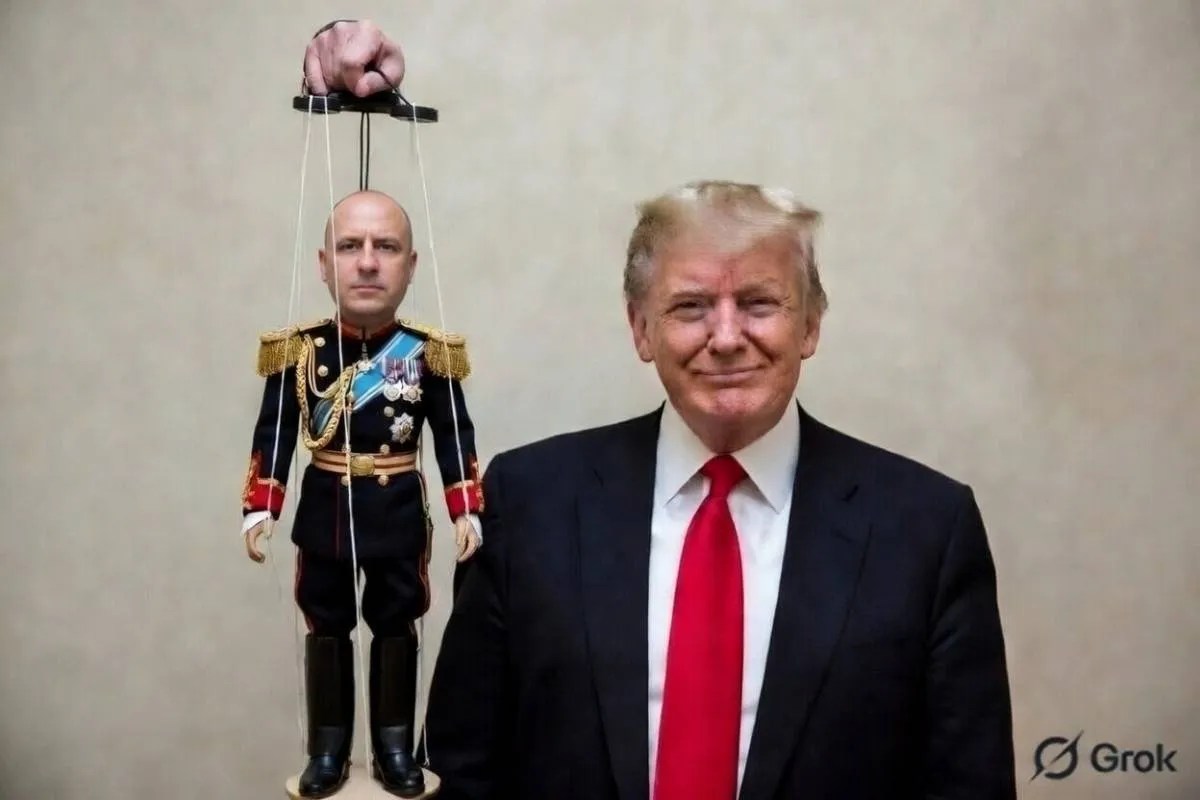
Pahlavi’s biggest weakness isn't his lack of a military—it's his proximity to foreign capitals. In the Middle East, the "kiss of death" for any aspiring leader is the perception of being a puppet for Western interests.
Every time Pahlavi meets with a high-ranking Western official, his stock in DC goes up, but his legitimacy in the streets of Mashhad and Tabriz goes down. The Iranian people are fiercely nationalistic. They hate the current regime, but they also have a long memory regarding foreign interference.
If you want to understand the "future plan," look at the money. Who is funding the media tours? Who is paying for the lobbyist groups? It isn’t the working-class Iranians who are currently striking in the oil fields.
The Economic Black Hole
Let’s get technical. Iran’s inflation rate has hovered near 40% for years. The rial is in a death spiral. To fix Iran, you don't need a figurehead; you need a radical restructuring of the banking system and an immediate integration into global markets.
Pahlavi’s rhetoric focuses on "secular democracy," which is a fine sentiment but lacks a balance sheet. There is no detailed plan for:
- Handling the massive debt incurred by the clerical state.
- Privatizing IRGC-controlled industries without creating a Russian-style oligarchy.
- Managing the water crisis that is literally turning the Iranian plateau into a desert.
The "future plan" everyone is talking about is a set of talking points, not a blueprint. It’s like trying to fix a Boeing 747 mid-flight with a brochure about how great flying used to be in the 60s.
Why the Diaspora is Wrong
The Iranian diaspora is wealthy, educated, and vocal. They are also, largely, out of touch. There is a massive disconnect between the "Twitter revolutionaries" and the people who have to worry about the price of eggs in Tehran tomorrow morning.
The diaspora loves Pahlavi because he represents a lost era of cosmopolitanism. But the Iran of 2026 is a young, hardened, and cynical nation. Over 60% of the population is under the age of 30. They didn't live through the Shah's era. To them, Pahlavi is a historical footnote, not a savior.
If you are an investor or a policy maker, betting on a Pahlavi restoration is a high-risk, zero-reward play. It is a distraction from the real movements—the decentralized, leaderless protests that the regime actually fears. The regime loves Pahlavi because he is an easy target. He allows them to frame the opposition as "remnants of the old monarchy" and "agents of the West."
The Brutal Truth
The true "Great Reversal" won't come from a press conference in a hotel ballroom. It will come when the Iranian military realizes that defending the mullahs is more expensive than joining the people. That shift happens through internal attrition, not external proclamations.
Stop looking for a "New Shah." Stop waiting for a singular hero to descend from a private jet. The future of Iran is being written by people whose names you haven't heard yet, who are currently sitting in Evin prison or organized in clandestine labor unions.
Reza Pahlavi is a symbol of what was, not a harbinger of what will be. Anyone telling you otherwise is either selling you a book or a bad foreign policy.
The throne is gone. The crown is heavy with the weight of failed history. Iran is moving forward, and it’s doing so without a king.
Stop asking what Pahlavi’s plan is. Start asking who will actually hold the keys to the armories when the base collapses. Because it won't be him.