Reza Pahlavi didn't just walk onto the CPAC stage in Grapevine, Texas, to give a speech. He walked into a vacuum. With the U.S. and Israel five weeks into a massive military campaign against Tehran, the question isn't whether the Islamic Republic is shaking—it's who picks up the pieces when it finally shatters. Pahlavi’s pledge to "make Iran great again" sounds like a calculated nod to the MAGA crowd, but for the Iranian diaspora and the people currently living under the bombs, it's a play for the ultimate job interview.
You’ve probably seen the clips of the standing ovation and the "Javid Shah" chants. It’s easy to dismiss this as nostalgia for a throne lost in 1979. It's not. This is about a specific, high-stakes vision for a post-theocratic Middle East that aligns perfectly with the current administration's "Maximum Pressure" 2.0.
The Cyrus Accords and the Trillion Dollar Pitch
Pahlavi isn't talking about "reform." He’s talking about an autopsy of the current regime. He told the crowd in Texas that you can’t reform a snake because the "venom is in its DNA." It’s a sharp line that basically tells the West to stop looking for "moderates" in Tehran who don't exist.
Instead, he’s pitching the Cyrus Accords. This is a direct evolution of the Abraham Accords, named after the Persian king who famously freed the Jews from Babylon. The strategy here is brilliant in its simplicity:
- Normalize relations with Israel immediately.
- Position Iran as a strategic buffer against regional chaos.
- Open a market of 93 million highly educated people to American investment.
Pahlavi claimed a free Iran could pump over one trillion dollars into the American economy over the next decade. That’s the kind of number that makes eyes light up in a room full of conservative donors and policy makers. He’s not just asking for support; he’s pitching a business case for regime change.
Operations Midnight Hammer and Epic Fury
The backdrop of this speech is the literal smoke rising over Iran. Since February 2026, Operations Midnight Hammer and Epic Fury have reportedly gutted 80% of Iran’s ballistic missile capacity. Pahlavi is leaning into this reality. While some in Washington are nervous about the "forever war" label, Pahlavi is telling them they’ve already done the hard part.
He’s arguing that the military strikes have created a window that won't stay open forever. His message to Trump is clear: don't settle for a "better deal." Don't let the regime buy time. He wants a clean break, a "digital defection platform" for the Iranian military, and a transitional government that leads to a secular democracy.
What the Critics Get Wrong
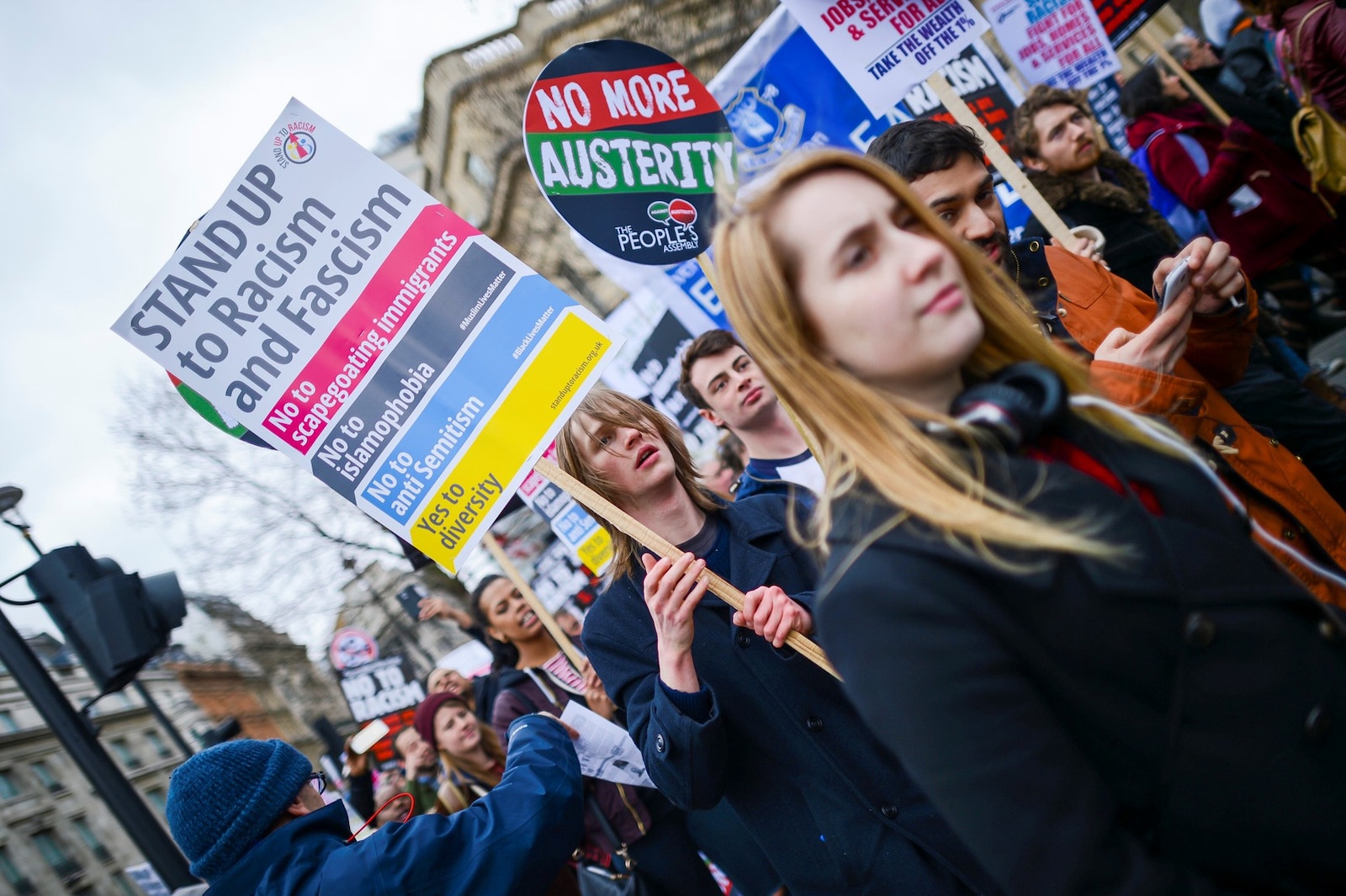
The usual critique is that Pahlavi is an "outside" leader with no "inside" base. But the January 2026 uprising changed that math. We saw thousands of Iranians on the ground risking everything while chanting for the Pahlavi era. Whether he's a king or a transitional president doesn't seem to matter as much to the protesters as the fact that he represents the only cohesive alternative to the IRGC.
Honestly, the biggest hurdle isn't Iranian sentiment—it's Trump’s own hesitation. The President has said "some people like him," but he’s also hinted he might prefer someone from "within." Pahlavi’s CPAC appearance was a direct attempt to bridge that gap and show he has the MAGA base—and the Iranian-American voters in Texas—firmly behind him.
The 250th Birthday Parallel
There was a poetic, if slightly heavy-handed, moment where Pahlavi linked Iran’s "rebirth" to the United States' 250th birthday in 2026. It’s a powerful narrative. He’s betting that the American public is tired of "containing" threats and is ready to "solve" them.
The goal isn't just a new government. It’s a total shift from "Death to America" to "God Bless America." If you think that sounds like a fantasy, you haven't been paying attention to the sheer exhaustion of the Iranian people. They're done with the ideological wars of the last 47 years. They want the "tap into the 21st century" that Pahlavi is promising.
What Happens Tomorrow
The military campaign isn't slowing down, and neither is the diplomatic maneuvering. If you're watching this unfold, don't just look at the headlines about air strikes. Watch the "National Cooperation Platform." That’s Pahlavi’s attempt to bring monarchists and republicans under one roof.
If you want to understand where this is going, look at the "Iran Prosperity Project" documents. They're already drafting the 100-day transition plan. This isn't a "maybe" anymore. It's a "when."
Keep an eye on the defection numbers. Pahlavi claims thousands of military officials are already registered on his digital platform. If those numbers are real, the "final blow" he talked about might come from inside the barracks, not just from the sky. Watch for any shift in Trump's rhetoric regarding a "transitional leader"—that's the green light the diaspora is waiting for.