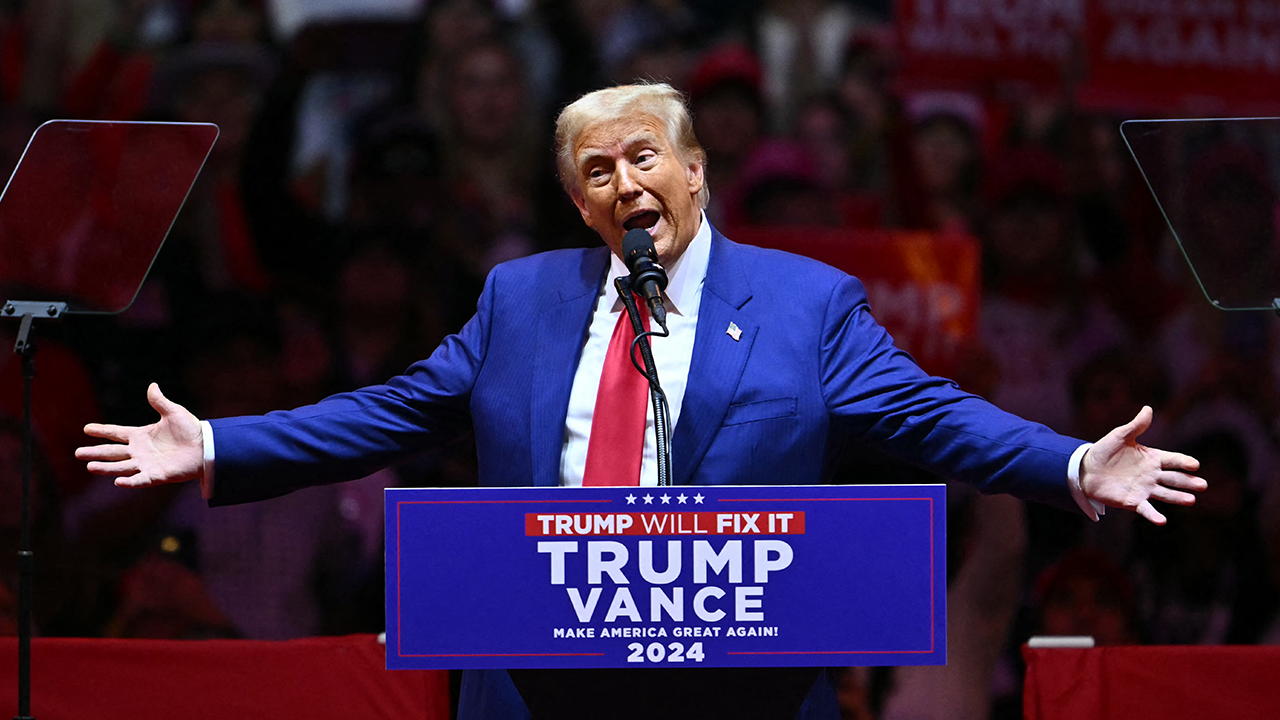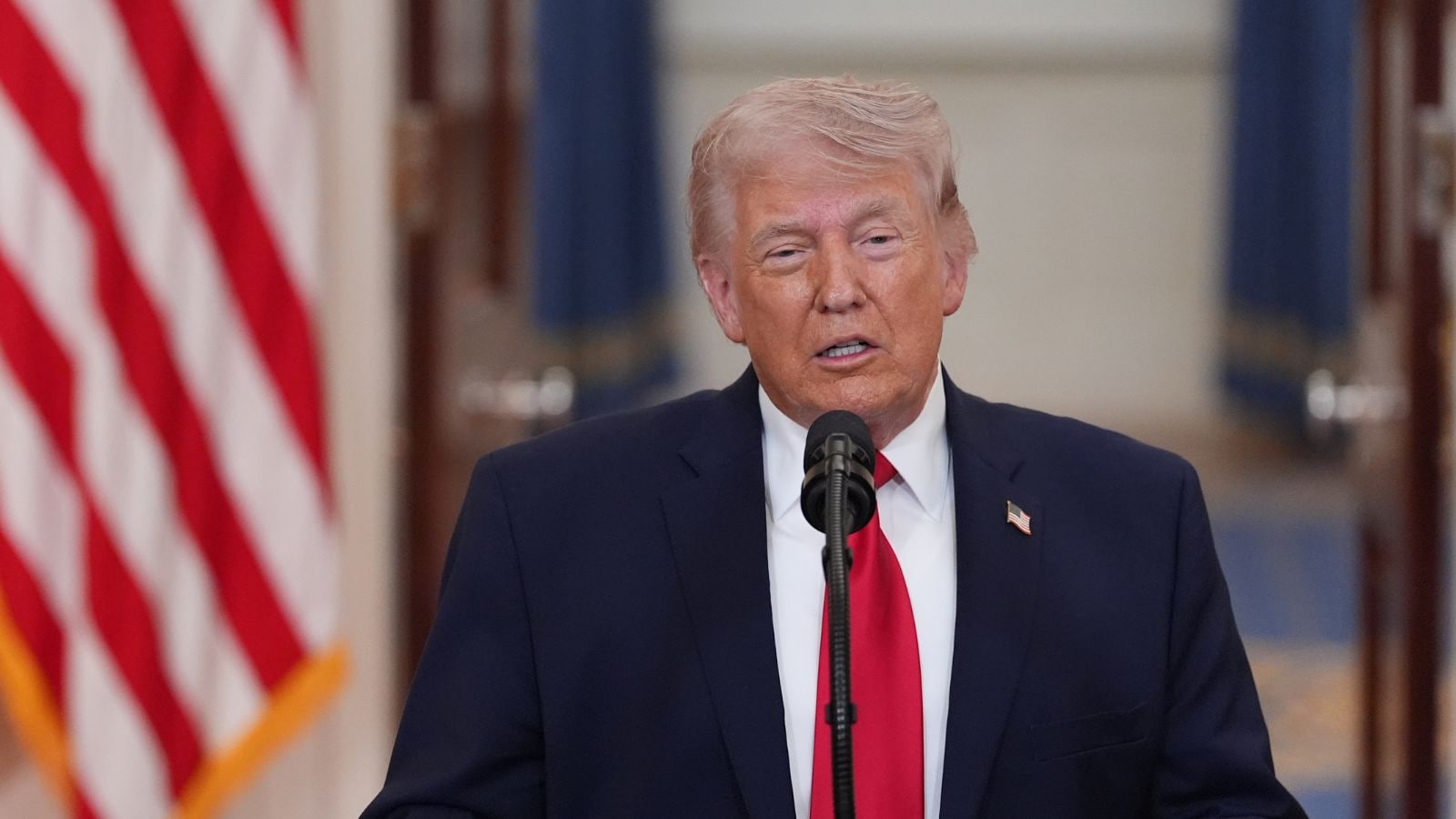
The "We got him" moment just hit differently this time. When Donald Trump jumped on Truth Social early Sunday morning to announce the rescue of a missing U.S. Air Force Colonel from the rugged terrain of southwestern Iran, it wasn't just a victory lap. It was the climax of a 48-hour nail-biter that saw multiple aircraft downed, a pilot ejecting over the Persian Gulf, and a high-stakes game of hide-and-seek in the Kohgiluyeh and Boyer-Ahmad mountains.
If you've been following the escalation of the U.S.-Iran conflict that kicked off in late February, you know the stakes. But this specific mission—recovering the Weapons Systems Officer (WSO) from a downed F-15E Strike Eagle—is arguably the most complex combat search and rescue (CSAR) operation we've seen in decades.
The 48 Hours That Defined the Mission
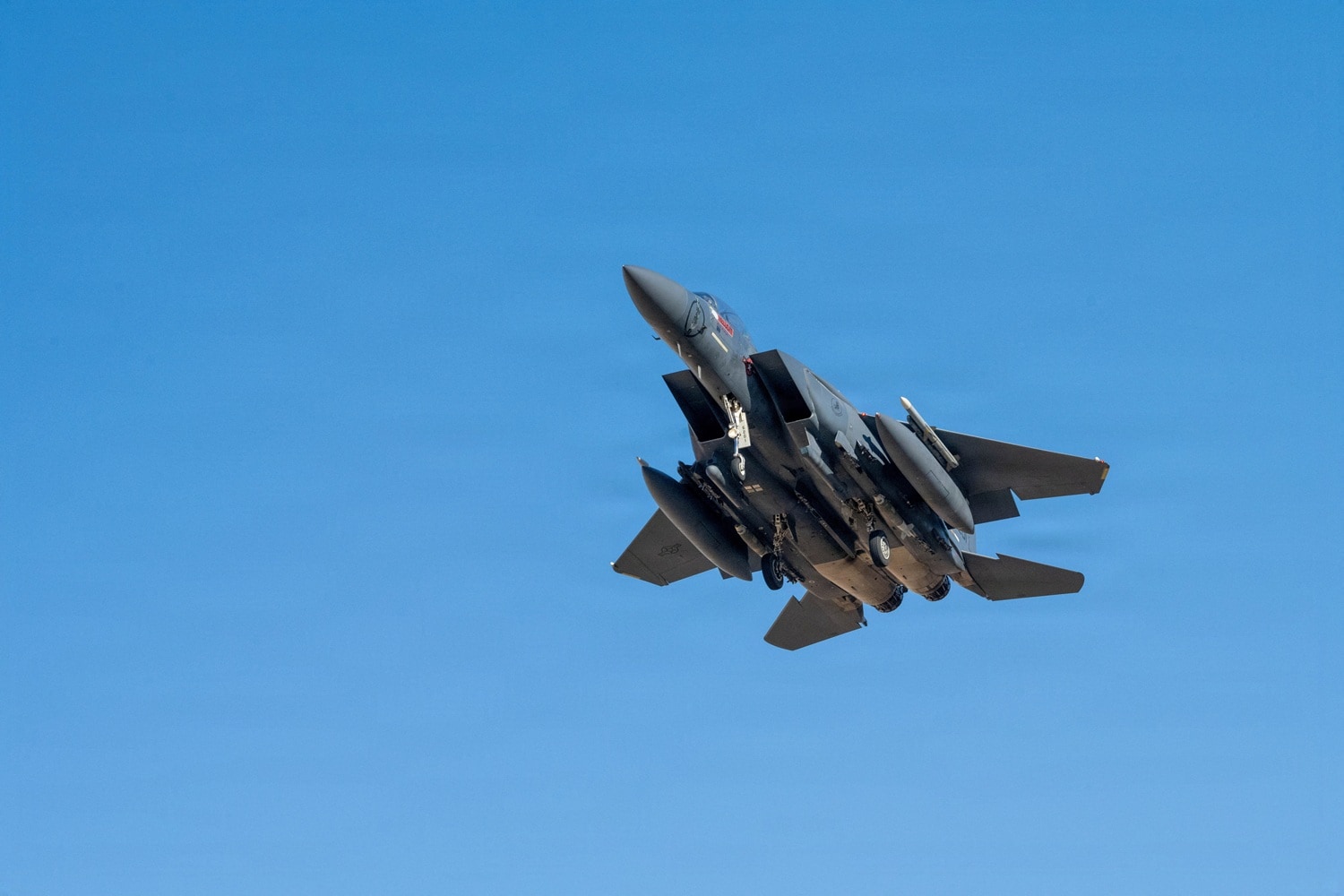
The drama started Friday when an F-15E was swatted out of the sky by Iranian forces. While the pilot was snatched up almost immediately by U.S. helicopters, the second crew member, a high-ranking Colonel, vanished into the brush.
Most people don't realize how sideways the first rescue attempt went. A U.S. chopper picking up the pilot took small arms fire, wounding crew members. An A-10 Warthog providing cover was so badly chewed up by Iranian fire that its pilot had to limp the plane over the Persian Gulf before punching out. For a moment, it looked like the U.S. was losing more assets than it was saving.
By Saturday, the Iranian government was putting bounties on the Colonel's head. Nomadic tribesmen, encouraged by the IRGC, were caught on film patrolling the hills with rifles, literally hunting for the American officer.
How the Rescue Actually Went Down
You don't just fly a helicopter into Iran and hope for the best. This was a "max effort" operation. Trump noted that "dozens of aircraft" were involved, but the technical reality is even more intense.
- Continuous MQ-9 Coverage: Reaper drones maintained a "kill box" around the Colonel's suspected location. Anyone deemed a threat who got within three kilometers was neutralized immediately.
- Electronic Warfare: The U.S. had to effectively blind Iranian radar across the entire southwestern corridor to let the extraction team in.
- The Special Ops Infil: Hundreds of special forces personnel were involved. This wasn't just a quick hover-and-hoist; it involved ground teams moving through "treacherous mountains" to secure the Colonel, who was already dealing with injuries from the initial crash.
The most wild detail? Two U.S. transport planes actually got trapped at a remote Iranian base during the chaos. Rather than let that tech fall into Tehran's hands, the U.S. flew in more planes to get the people out and then blew up their own trapped aircraft. That's a level of "leave no one behind" commitment that costs millions but sends a massive message.
The Strategy of Silence
You might’ve wondered why the White House stayed so quiet between Friday and Sunday. It was a calculated move.
The administration didn't even confirm the first pilot’s rescue until the Colonel was safe. If Iran knew for sure they only had one guy left to find, they would’ve flooded that specific zone with every IRGC warm body available. By keeping the status of both airmen "unconfirmed," the U.S. forced Iran to spread its search teams thin.
What This Means for the 48 Hour Ultimatum
This rescue happened against the backdrop of a literal ticking clock. Trump has given Iran a deadline to reopen the Strait of Hormuz or face "all hell."
The fact that the U.S. just conducted a massive, successful operation deep inside Iranian territory without losing a single person to enemy fire is a psychological gut punch to Tehran. It proves "Air Dominance" isn't just a buzzword; it’s a functional reality even over Iran's most defended provinces.
If you're looking at the geopolitical board, the U.S. just cleared its biggest "hostage" liability. Without an American officer in a cage in Tehran, the White House has a much freer hand to escalate if that 48-hour window closes without a deal.
What to Watch Next
The Colonel is currently in Kuwait receiving treatment. He's "safe and sound," but the political ripples are just starting.
- Monitor the Strait of Hormuz: With the rescue mission complete, expect U.S. naval movements to get a lot more aggressive.
- Watch Fuel Prices: The "war premium" is already hitting grocery stores and gas pumps. If Iran doesn't blink within the next 48 hours, those numbers are going north.
- Diplomatic Backchannels: Keep an eye on Oman. They’ve been trying to broker a transit framework for the Strait. If they go silent, it means the shooting is about to get worse.
The U.S. just proved it can reach into the heart of Iran and pull its people out. Now we see if Tehran thinks it’s worth finding out what happens when those "dozens of aircraft" aren't there for a rescue, but for a strike.