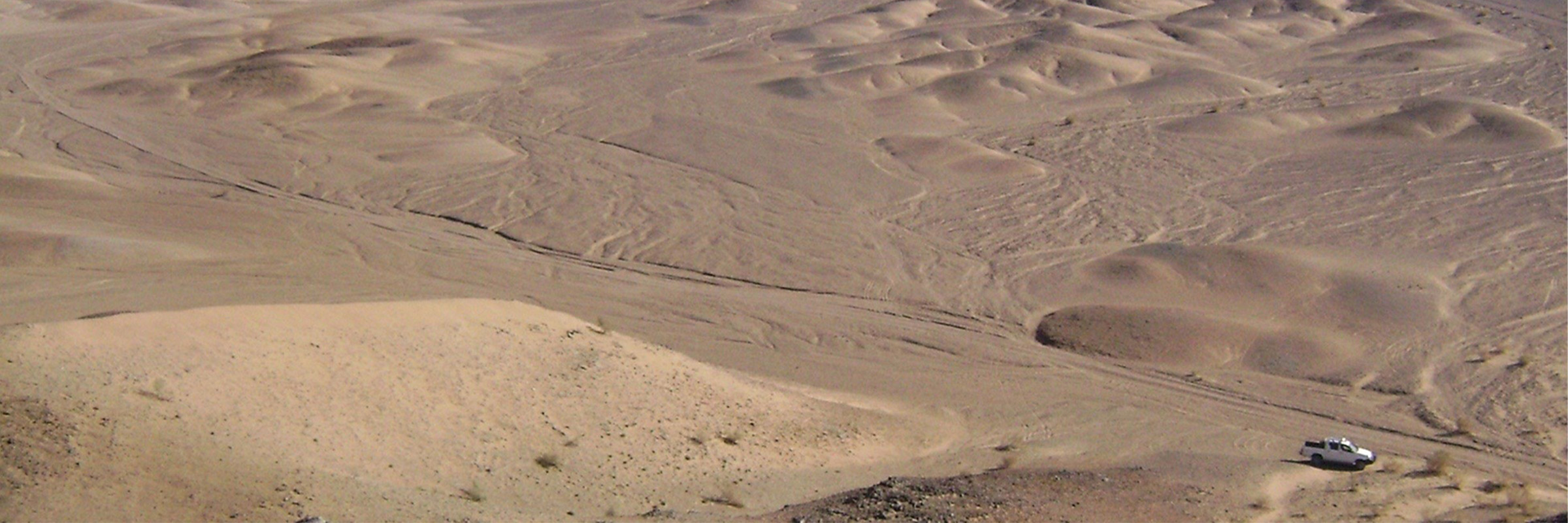
Barrick Gold just hit the brakes on one one of the most ambitious mining projects on the planet. If you've been following the Reko Diq saga in Pakistan, you know this wasn't supposed to happen. The plan was simple: build a massive copper-gold mine in the desert of Balochistan, start producing by 2028, and help save Pakistan’s economy.
But the world changed fast in early 2026. Between the hot conflict with Iran and rising local instability, Barrick decided it's too risky to sprint forward. They’re extending their project review by a full 12 months starting this July. That means the 2028 finish line is gone. We’re looking at 2029 at the earliest, and honestly, even that feels optimistic right now.
This isn't just a "minor adjustment." It’s a $9 billion headache that proves even the biggest players can’t ignore geopolitics when the shooting starts.
The Iran Factor and the Strait of Hormuz
You can't talk about Reko Diq without looking at the map. The mine sits in the Chagai district, right near the borders of Afghanistan and Iran. When the U.S. and Israel struck Iranian facilities in February 2026, the shockwaves didn't just stay in Tehran. They ripped through the entire region’s logistics.
Iran’s decision to mess with the Strait of Hormuz sent oil prices north of $110 a barrel. For a project like Reko Diq, which requires moving mountains of earth and massive amounts of equipment, fuel costs are a dealbreaker. But it's more than just gas prices. The regional instability has emboldened separatist groups in Balochistan. If you’re Barrick, you don’t want to be halfway through a multi-billion dollar build when the neighborhood catches fire.
Why Copper is the Real Prize
Most people focus on the gold, but copper is why Barrick is really here. We’re in a global copper deficit. Between AI data centers and the massive push for electric vehicles, the world is starving for high-grade copper. Reko Diq is sitting on an estimated 5.9 billion tonnes of ore.
The Scale of the Treasure
- Copper Reserves: Roughly 15 million tonnes.
- Gold Reserves: Around 41.5 million ounces.
- Projected Lifespan: At least 37 years.
- Cash Flow Potential: Over $70 billion in free cash flow over the mine's life.
When you see those numbers, you realize why Barrick hasn't walked away entirely. They’re slowing down, not quitting. They’ve already sunk too much into the "New Barrick" strategy—which focuses on becoming a "Tier 1" copper producer—to let this project die.
A Leadership Shakeup at the Worst Time
Timing is everything in mining, and Barrick’s timing has been rough. Mark Bristow, the guy who basically willed the Reko Diq deal into existence, stepped down as CEO in late 2025. He was the face of the project in Pakistan. He spent years building relationships with local leaders and convincing the Pakistani government that Barrick was a partner, not an exploiter.
Now, Mark Hill has taken the reins. Hill is seen as more process-driven and "institutional." That’s great for a stable company, but in a chaotic region like Balochistan, you often need that "cowboy diplomacy" that Bristow was known for. The leadership transition, combined with the security review, has investors nervous. Barrick’s stock has been wobbling between $37 and $39 as the market tries to figure out if Hill has the same stomach for risk that Bristow did.
The Local Impact in Balochistan
While Wall Street cares about the stock price, the people in Balochistan are the ones really feeling this delay. This project was marketed as a total transformation for the province. We're talking about 10,000 jobs during construction and 6,000 permanent roles.
Barrick has actually done a decent job on the ground so far. They’ve provided clean water to dozens of communities and started schooling programs for thousands of kids. But those programs depend on the mine eventually making money. A 12-month delay in development means a 12-month delay in the economic "trickle-down" that was promised to one of the poorest regions in South Asia.
The US Strategic Interest
Here’s the part most people miss: the United States is deeply invested in Reko Diq. In early 2026, the U.S. Export-Import Bank committed $1.3 billion in financing. Why? Because the West is terrified of China controlling all the world’s copper.
Pakistan is a key battleground for influence. If Barrick (a Canadian company) fails or pulls back, you can bet Chinese state-owned firms will be waiting in the wings with an open checkbook. By backing Barrick, the U.S. is trying to secure a "friendly" supply of critical minerals. The delay isn't just a corporate problem; it’s a diplomatic one.
What Happens Now
Don't expect much movement before July. Barrick is going to spend the next few months hunkerered down, watching the Iran-Israel conflict and reassessing their security protocols. They’ve already told their Pakistani partners to expect a "reduced pace of development."
If you’re an investor or a follower of the mining industry, watch three things:
- Oil Prices: If Brent stays above $100, the "AISC" (All-In Sustaining Costs) for Reko Diq will skyrocket, making the Phase 1 $5.6 billion budget look like a fantasy.
- The Spin-Off: Barrick is planning an IPO for its North American assets ("NewCo") later this year. This is a move to protect their "safe" assets in Nevada from the "risky" ones in Pakistan and Mali.
- Local Security: Any uptick in targeted attacks on infrastructure in Balochistan will almost certainly push the 2029 production date even further back.
The dream of Reko Diq isn't dead, but it's definitely in a coma. Barrick is making the smart, boring move by waiting. In the mining world, being "first" is great, but being "bankrupt" is forever. They're choosing to survive the 2026 geopolitical storm rather than sailing right into it.
If you're looking for a play in the sector, keep an eye on how they handle the upcoming "NewCo" IPO. It might be the only way to get a piece of Barrick's gold without the Pakistani "conflict surcharge" attached.