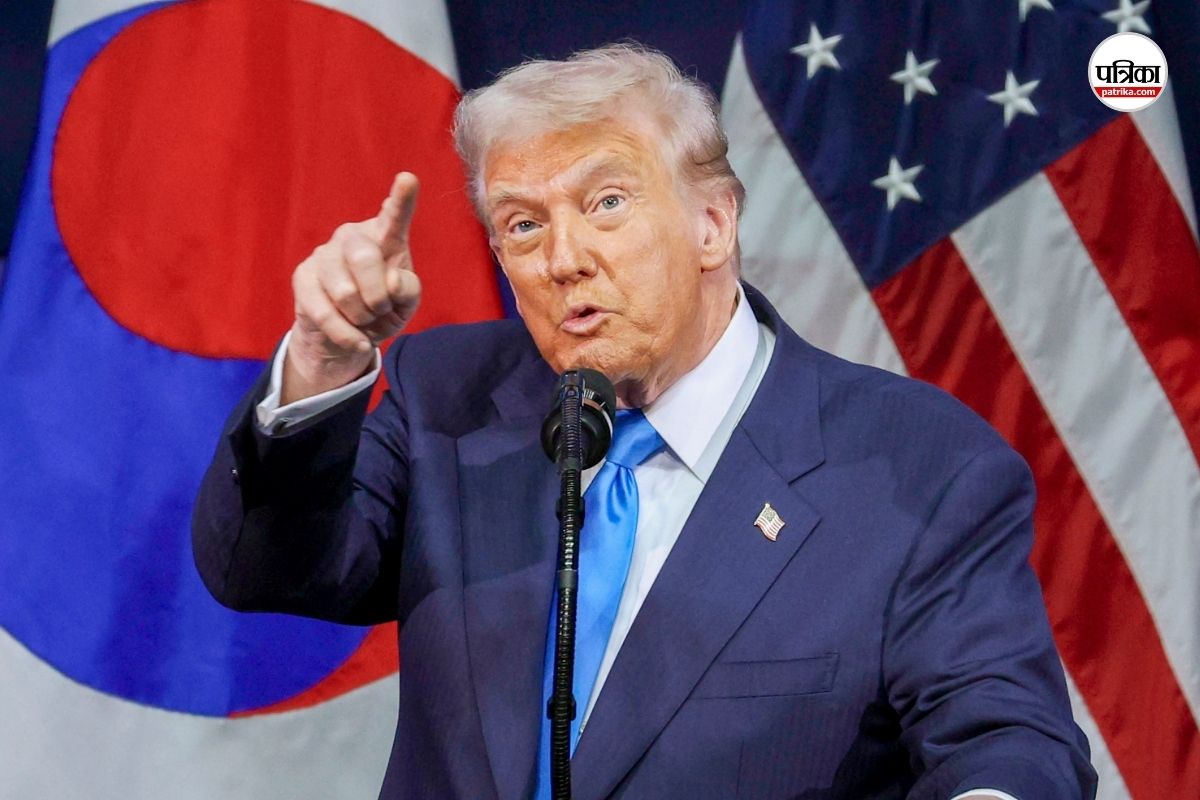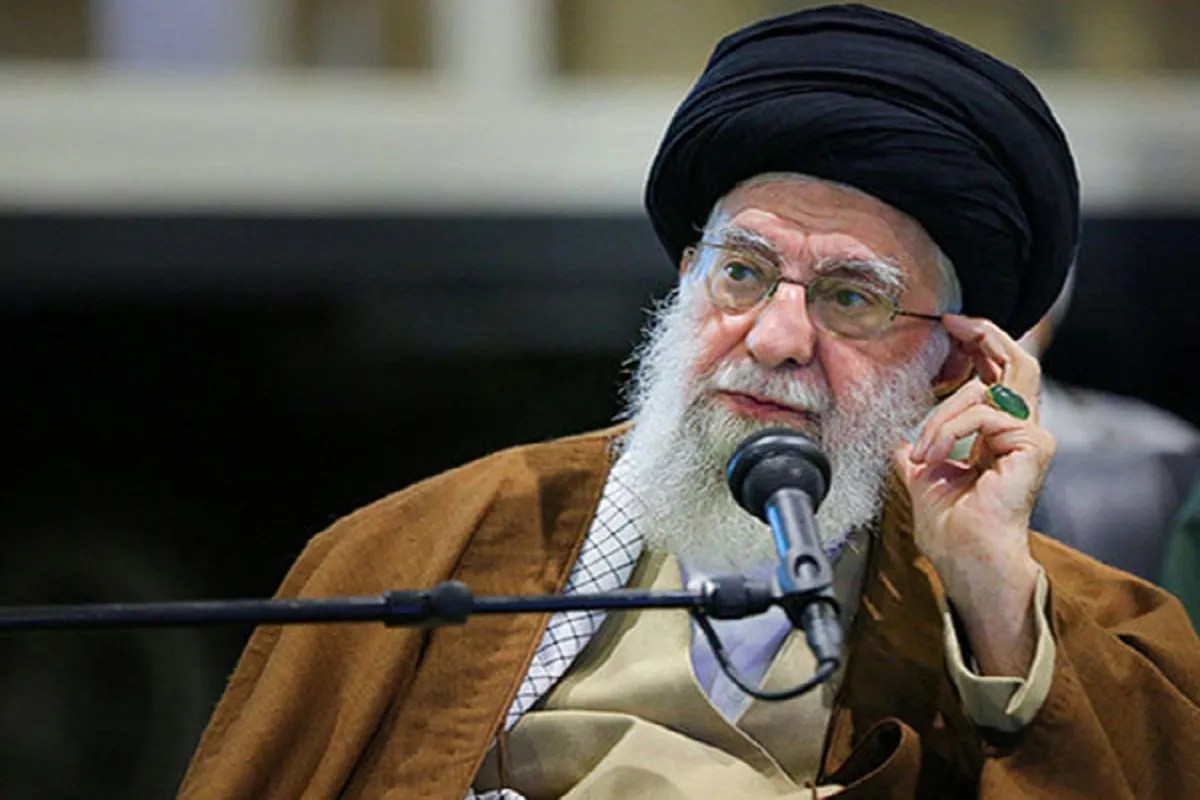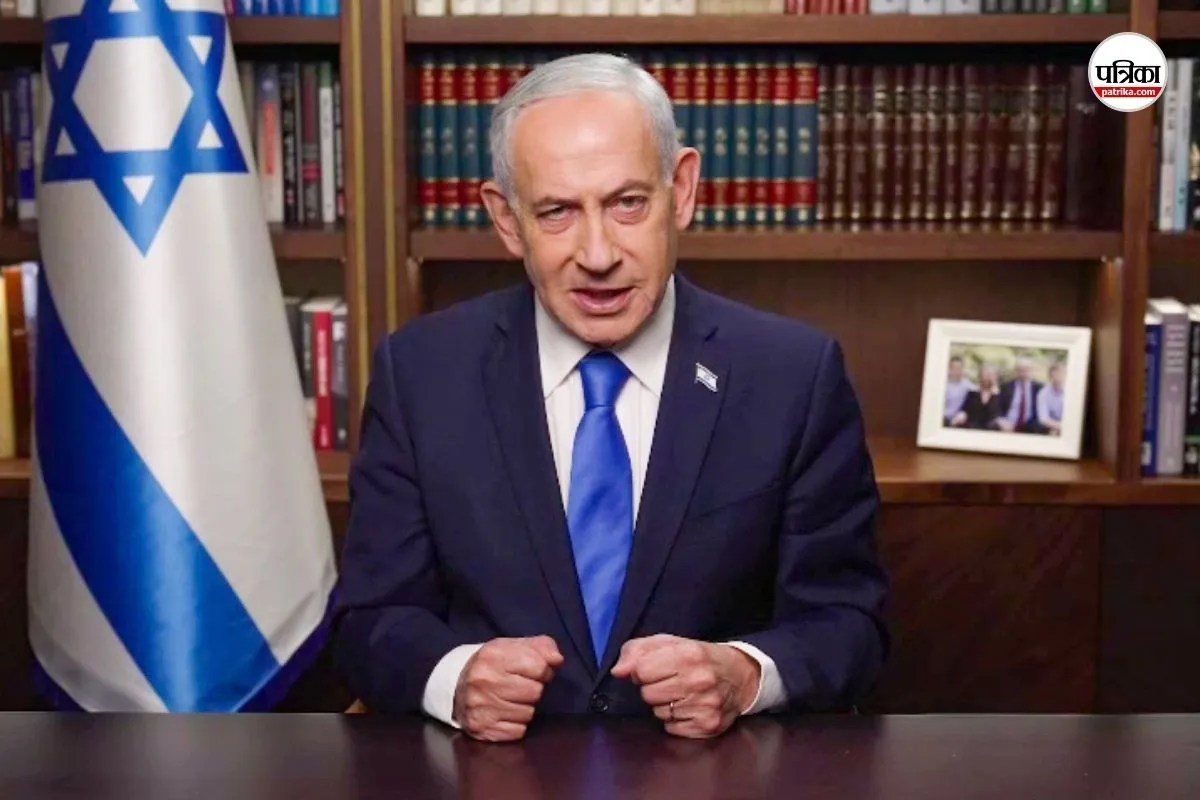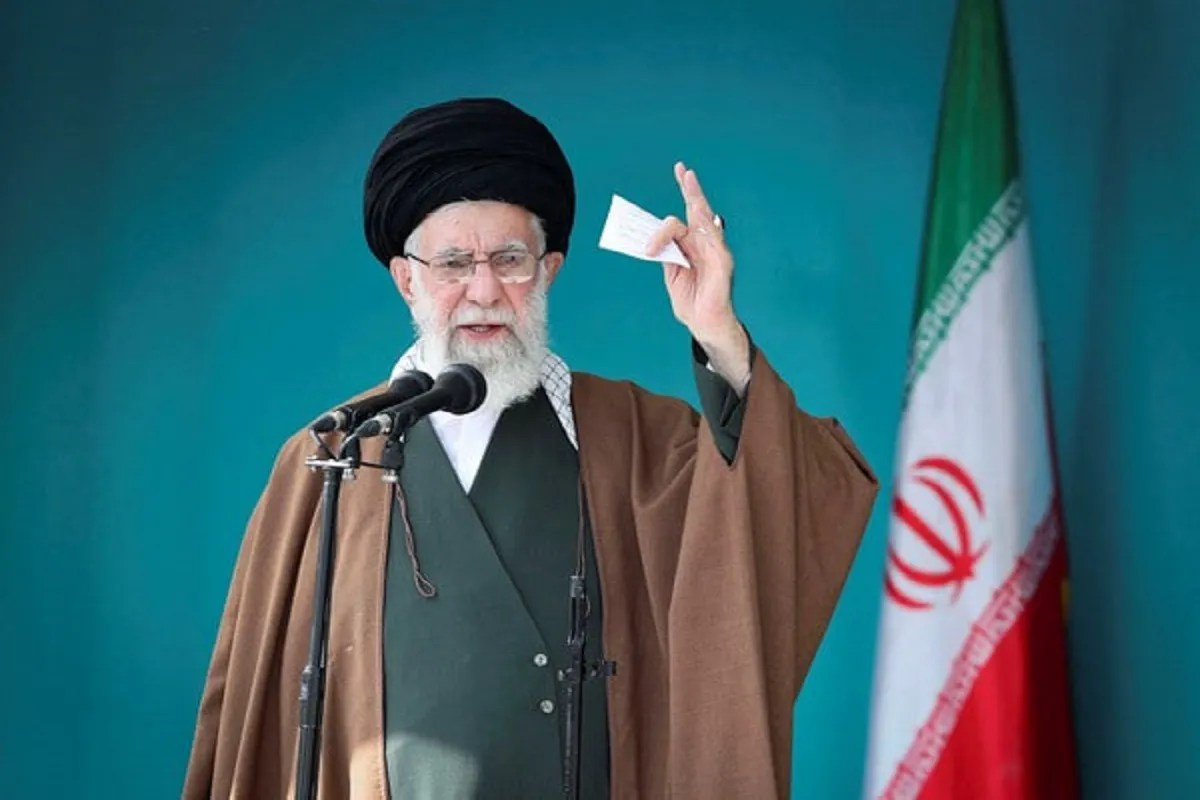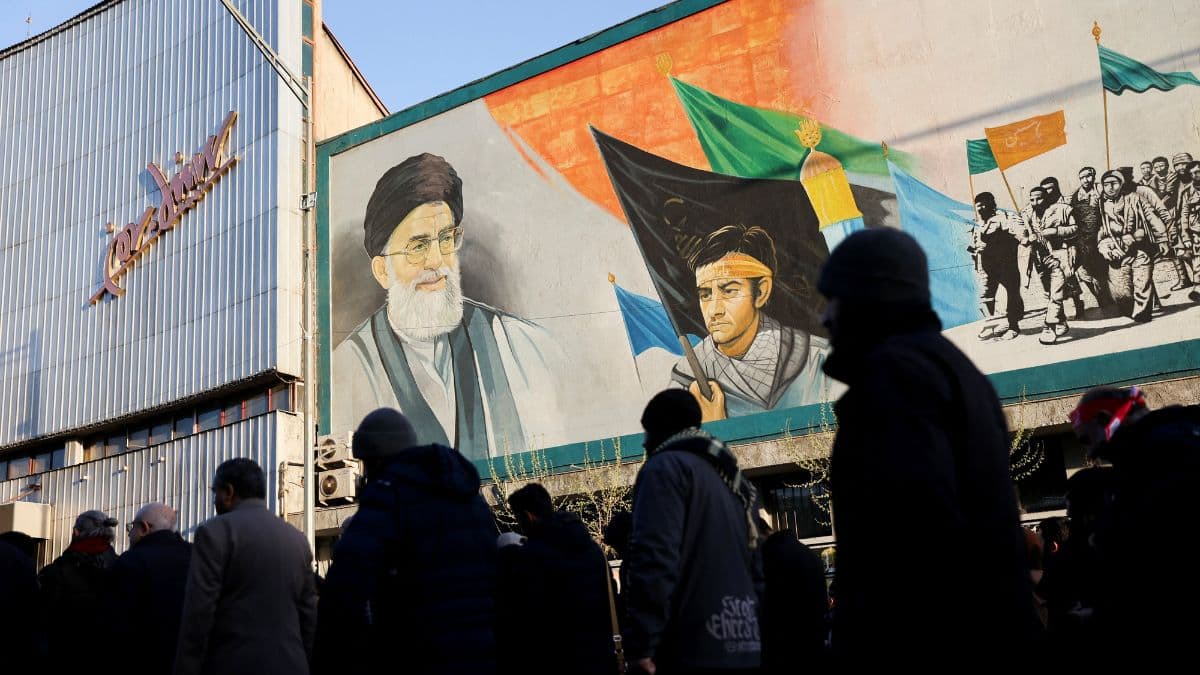
General Sir Nick Carter is a decorated soldier, but his assessment of the U.S.-Israeli strategy for Iran reads like a relic from 2003. The idea that "regime change enabled from within" is a viable, targeted goal isn't just optimistic—it’s a fundamental misunderstanding of how the Islamic Republic functions and how modern power is projected.
We’ve seen this movie before. We saw it in Baghdad. We saw it in Tripoli. The West clings to the fantasy that if you just apply enough external pressure, a grateful populace will rise up, tear down the portraits of the Supreme Leader, and install a Western-leaning democracy. It’s a convenient narrative for cable news, but it ignores the brutal architecture of the Iranian security state.
The Mirage of the Internal Uprising
The "lazy consensus" suggests that the Iranian people are a tinderbox waiting for a match. While it's true that domestic discontent is at an all-time high, the gap between "discontent" and "overthrowing a theo-cratic military industrial complex" is a chasm filled with blood and IRGC (Islamic Revolutionary Guard Corps) bayonets.
The IRGC doesn't just protect the borders; it owns the economy. They control the ports, the telecommunications, and the construction sectors. When you talk about regime change, you aren't just talking about swapping out a few guys in turbans. You are talking about dismantling a multi-billion dollar conglomerate that has spent 45 years bulletproofing itself against domestic unrest.
Carter and his contemporaries suggest that the U.S. and Israel can "enable" Iranians. How? With more sanctions? Sanctions don't hurt the elite; they crush the middle class—the very people who would actually lead a secular transition. By the time a "regime change" occurs under this pressure, there is no civil society left to take the reins. You’re left with a failed state, not a new partner.
The Intelligence Trap: Why Precision is a Fantasy
The U.S. and Israel have arguably the best intelligence apparatus in the world. Their ability to pick off scientists in the heart of Tehran or map out subterranean centrifuge facilities is unmatched. But military intelligence is not political intelligence.
Knowing where a general sleeps is not the same as knowing how a population will react when their national infrastructure is crippled. History shows that external attacks, even those "targeted" at the regime, usually trigger a "rally 'round the flag" effect. Even the most ardent critics of the Ayatollah tend to get patriotic when foreign missiles start hitting their soil.
Israel’s goal isn’t actually "democracy" in Iran. It’s the removal of a kinetic threat. The U.S. goal is regional stability. These two goals are often in direct conflict. A collapsing Iran creates a power vacuum that makes the current chaos look like a rehearsal.
The Myth of the "Clean" Transition
People often ask: "Can the Iranian military be flipped?"
The answer is a brutal no. The regular army (Artesh) is intentionally kept weak and subservient to the IRGC. The IRGC is an ideological army. You cannot "flip" an organization whose entire existence is predicated on the survival of the current system.
If the regime falls, the IRGC doesn't go to the bargaining table. They go to the hills. They become a massive, well-funded, highly trained insurgency. Imagine Hezbollah, but with the resources of a former state and a thousand miles of defensible terrain.
The Technology Gap in Modern Revolution
We are told that social media and digital connectivity will be the "game-changer" (to use a term I despise) for Iranian protesters. I’ve spent years watching how authoritarian regimes use the same tools to hunt dissidents.
In 2009, the "Twitter Revolution" was a Western media invention. In reality, the regime used those same digital footprints to track, arrest, and execute the leaders of the Green Movement. Today, Iran’s "National Information Network" allows them to kill the internet at a flick of a switch while keeping their own command and control lines open.
The West is playing checkers with 20th-century geopolitical theories while the IRGC is playing 21st-century digital authoritarianism.
The Israel-US Disconnect
Carter hints at a unified goal. This is a fabrication.
Israel views an Iranian nuclear weapon as an existential threat that justifies any level of regional volatility. The U.S. views a total collapse of the Iranian state as a catastrophic event that would send millions of refugees into Europe, spike oil prices to $250 a barrel, and hand the keys of the Middle East to China.
Israel wants the head of the snake. Washington wants the snake in a cage. You cannot achieve "regime change from within" when the two primary sponsors of that change can't even agree on what the "after" looks like.
Stop Asking "When Will They Rise?"
The premise of the question is flawed. It assumes the Iranian people are waiting for a signal from the West. They aren't. They are surviving.
If you want to actually disrupt the Iranian status quo, you stop focusing on "regime change" and start focusing on "regime irrelevance." That doesn't happen through bombs or CIA-backed social media campaigns. It happens through the slow, agonizing process of decoupling the IRGC from the global gray market.
But that’s hard work. It requires confronting the banks in Dubai, the oil traders in Singapore, and the tech suppliers in Beijing. It’s much easier for generals to sit in London or D.C. and talk about "enabling the people from within." It sounds noble. It sounds strategic.
It’s actually a confession of powerlessness.
The Islamic Republic will eventually fall, but it won't be because of a Western blueprint. It will be because of its own internal contradictions. Every time the West tries to "help," we provide the regime with the exact external enemy they need to justify their existence.
Stop trying to manufacture a revolution. You’re just building the regime a better shield.
Would you like me to analyze the specific economic data regarding IRGC-controlled businesses to show where the real leverage lies?