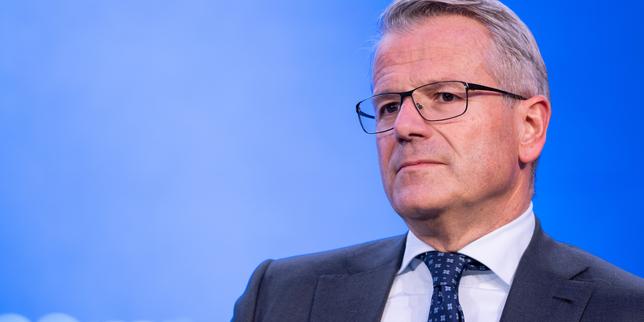
The maritime world is running out of slack. For decades, the global supply chain operated on the assumption that the oceans were a frictionless conveyor belt. That era is over. Vincent Clerc, the chief executive of Maersk, has begun sounding an alarm that should rattle anyone who relies on a stable flow of goods. The core of the problem is a physical and logistical bottleneck in the Red Sea that is no longer just a delay. It has become a systemic drain on fuel supplies across Asia and the Middle East. If the world’s largest shipping hubs run dry, the "just-in-time" economy will face a reckoning it is not prepared to handle.
The Geopolitical Noose Tightening Around the Suez
The current crisis stems from a simple reality of geography. When ships cannot safely pass through the Bab el-Mandeb strait due to persistent security threats, they are forced to take the long way around the Cape of Good Hope. This isn't just a minor detour. It adds roughly 3,500 nautical miles to a standard journey between Asia and Northern Europe.
When you divert thousands of massive container ships, you aren't just moving vessels. You are moving a massive demand for bunker fuel. Historically, ships would refuel at strategic points like the Suez or nearby Mediterranean ports. Now, that demand has shifted overnight to ports that weren't built to handle this sudden, massive surge in volume. Singapore, the world's premier refueling hub, is seeing its reserves tested. Further west, ports in the United Arab Emirates are struggling to keep pace with the influx of diverted traffic seeking to top off their tanks before the long trek around the African continent.
Why the Fuel Shortage is Different This Time
In previous maritime disruptions, the issue was usually a lack of containers or a labor strike at a specific terminal. This time, the constraint is the literal energy required to move the world's cargo. Bunker fuel is the lifeblood of the industry. It is a specific, viscous grade of oil that requires specialized infrastructure to store and deliver.
The "dry spell" Vincent Clerc warns about is a consequence of misaligned supply chains. Refineries in the Middle East and Asia produce fuel based on predictable monthly schedules. They do not have the flexibility to double their output because a conflict shifted the world's shipping lanes 4,000 miles to the south. We are seeing a classic supply-demand mismatch where the supply is fixed in the short term, but the demand has become incredibly mobile and concentrated.
The Cost of the Long Way Around
Burning more fuel isn't just an environmental concern; it’s a massive financial burden that eventually trickles down to the consumer. A single large container ship diverted around Africa can consume an additional $1 million in fuel per voyage. Multiply that by the hundreds of ships currently bypassing the Red Sea, and the scale of the capital drain becomes clear.
Shipping companies are passing these costs along through "emergency contingency surcharges." While these fees protect the balance sheets of giants like Maersk and MSC, they act as an invisible tax on every product sitting in those containers. From electronics to automotive parts, the cost of the "security detour" is being baked into the price of goods months before they even reach a store shelf.
The Port Congestion Domino Effect
The fuel crisis is compounded by the fact that diverted ships are arriving at ports out of their scheduled windows. When a dozen ships that were supposed to arrive over the course of a week all show up on a Tuesday because they took the same detour, the port hits a wall.
- Berth Availability: Ships sit at anchor, burning even more fuel while waiting for a spot to unload.
- Labor Shortages: Crane operators and truck drivers cannot be scaled up instantly to handle a 300% surge in daily volume.
- Equipment Imbalance: Empty containers are getting stuck in the wrong parts of the world, creating a shortage in manufacturing hubs like Vietnam and China.
The Mirage of a Quick Resolution
Many analysts hoped that a diplomatic solution or an increased naval presence would restore order to the Red Sea by now. That hasn't happened. The reality on the water is that shipping lines have stopped looking for a quick fix. They are now "industrializing" the detour. They are building new schedules based on the Cape of Good Hope as the primary route, not the exception.
This permanence is what makes the fuel shortage so dangerous. If the industry accepts the longer route as the new standard, the pressure on Asian and Middle Eastern refueling points won't subside. It will become the new baseline. We are watching the permanent reconfiguration of global trade routes in real-time, and the infrastructure is struggling to support the weight of the change.
The Myth of Resilient Supply Chains
After the 2020 lockdowns, every corporate boardroom talked about "resilience." They promised to move away from single-source suppliers and fragile logistics. The current fuel crisis proves that much of that talk was superficial. The global economy is still hyper-dependent on a few specific geographic points. Whether it’s a canal in Egypt or a refueling pier in Singapore, the system has no backup plan for when the fuel runs out.
When Clerc speaks about points of supply being "at risk of being dry," he is highlighting the fragility of the entire model. You can have all the raw materials in the world, but if the ships can't find a gallon of fuel in the Indian Ocean, the goods stay where they are.
The Immediate Operational Reality
For the person on the ground—the logistics manager or the small business owner—the "dry" forecast means one thing: unpredictability. We are entering a phase where "estimated time of arrival" becomes a guess rather than a metric. If a ship reaches a bunkering hub and finds the fuel tanks empty, it has to wait. That wait creates a ripple effect that can delay a shipment by weeks, not days.
Companies are now forced to hold more inventory, tying up cash that could be used for growth. They are essentially paying a "fragility tax" to survive an environment where the basics—like fuel—are no longer guaranteed.
A System Pushed to its Physical Limits
We have reached the end of the efficiency gains that defined the last thirty years of globalization. We made ships bigger to save on costs, but those massive ships are now the most vulnerable to fuel shortages and port delays. They require deeper harbors and more fuel than smaller, more nimble vessels. By chasing the bottom dollar, the industry created a fleet that is exceptionally efficient in peace and stability, but remarkably brittle in times of chaos.
The warning from the top of Maersk isn't just a comment on the current quarter’s earnings. It is a fundamental critique of a global network that has no margin for error. As fuel supplies tighten in the East, the margin for error has officially vanished. The ships are still moving for now, but they are running on fumes and borrowed time. Every day the Red Sea remains a no-go zone, the probability of a total logistical breakdown at a major refueling hub climbs. The world isn't just watching a shipping crisis; it's watching the physical limits of global commerce being tested until they snap.