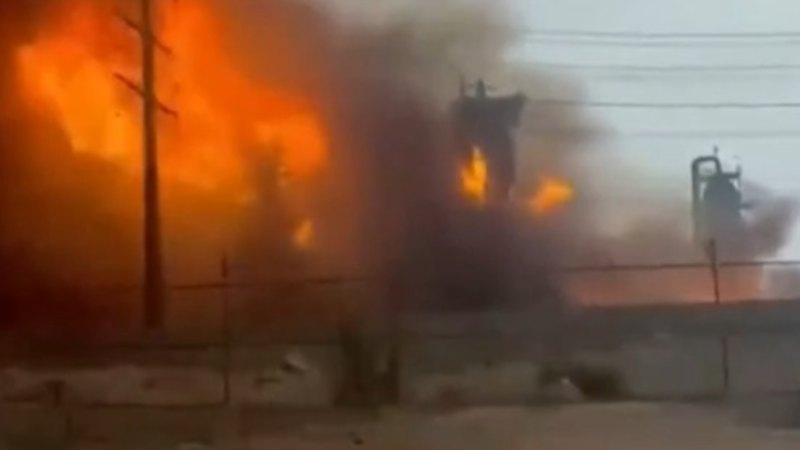
The targeted killing of Iranian Intelligence Minister Esmail Khatib in a precision strike on Wednesday was more than a decapitation of Tehran's domestic surveillance apparatus. It was the starting gun for a desperate, high-stakes gambit to collapse the global energy market. Within hours of the strike, which also leveled portions of the South Pars gas field—the world’s largest natural gas reservoir—Iran signaled that the war has officially moved from the shadows of intelligence to the scorched earth of economic attrition.
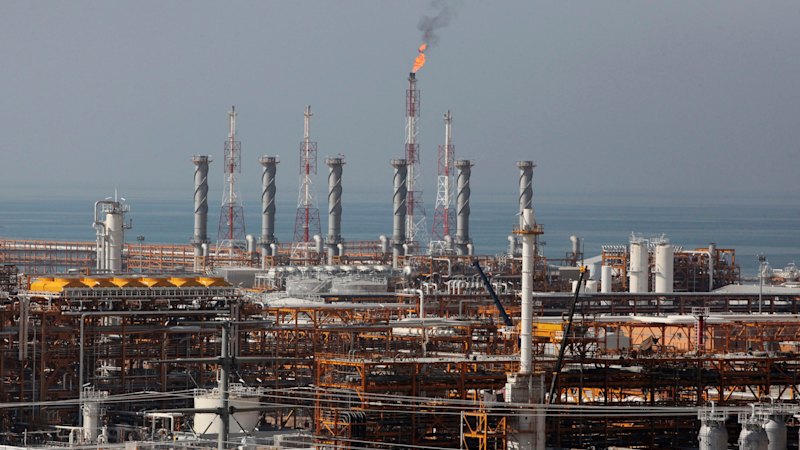
The strike on South Pars, coordinated with the United States but executed by Israeli forces, marks a fundamental shift in strategy. For eighteen days, the coalition focused on military sites and nuclear facilities. By turning their sights on Asaluyeh, the heart of Iran’s gas processing, they have struck the regime’s last remaining checkbook. Tehran’s response was swift and predictable: a directive to evacuate energy infrastructure across the Persian Gulf, effectively turning the oil fields of Qatar, Saudi Arabia, and the UAE into a front-line combat zone.
The Decapitation Strategy
The death of Esmail Khatib follows the recent eliminations of wartime strategist Ali Larijani and Basij commander Gholamreza Soleimani. This isn't just a run-of-the-mill assassination campaign. It is a systematic dismantling of the transition team that was supposed to stabilize the country following the death of Supreme Leader Ayatollah Ali Khamenei on February 28.
Israel’s Defense Minister, Israel Katz, has essentially issued a "kill on sight" order for the remaining leadership, bypassing the need for case-by-case cabinet approval. This level of operational autonomy suggests the coalition believes the Iranian command structure is sufficiently fractured that it can no longer mount a unified conventional defense. They are likely wrong. When you remove the bureaucrats and the "rational" strategists like Larijani, you are left with the IRGC’s ideological core—men who believe that if they are going down, the rest of the world’s economy should burn with them.
South Pars and the Weaponization of Gas
South Pars is not a typical industrial target. Together with Qatar’s North Dome, it represents the single most important energy asset on the planet. By hitting the Iranian side, Israel has created a geopolitical nightmare for Doha. Qatar shares this reservoir, and any physical damage to the pressure systems or underwater infrastructure on the Iranian side can have catastrophic consequences for Qatari production.
The immediate fallout:
- Global Surge: Brent crude jumped 6%, flirting with $110 a barrel.
- Regional Blackouts: Iraq, which relies heavily on Iranian gas imports, saw immediate power generation losses as Tehran diverted remaining supply to its own freezing cities.
- Infrastructure Paralyzation: QatarEnergy confirmed that a retaliatory strike hit its Ras Laffan LNG facility, causing "extensive" damage.
This is the "why" that the initial reports missed. Iran isn't just lashing out in anger; it is executing a documented doctrine of "mutual pain." If Iran cannot export its 3.4 million barrels of crude or process its gas, it will ensure that its neighbors—who it views as complicit in the US-Israeli campaign—cannot either.
The Myth of the Reopened Strait
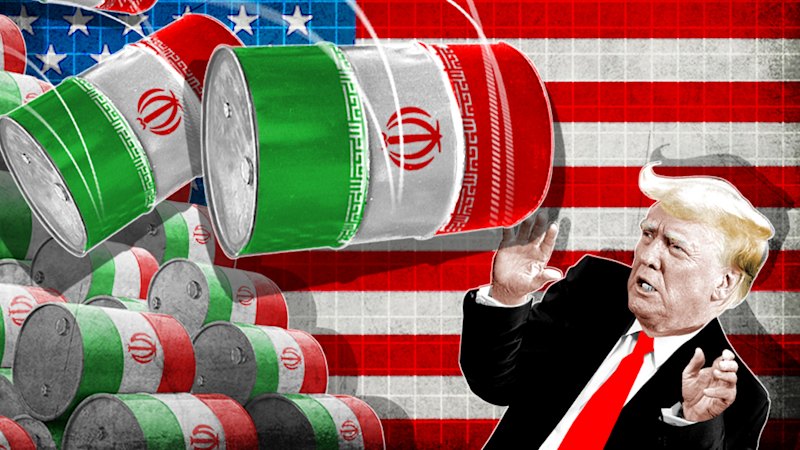
President Trump’s rhetoric on Truth Social suggests the US is "putting Iran out of business," but the reality on the water is far messier. Despite the use of 5,000-pound bunker busters against missile sites near the Strait of Hormuz, the waterway remains a graveyard for commercial shipping.
The coalition has managed to degrade the Iranian Navy, sinking over 120 vessels since the war began, but you don't need a navy to close a chokepoint. You need sea mines, mobile shore-based missiles, and cheap drones. Iran is currently moving its own oil through the strait to China—likely with a "don't touch" understanding from the US to avoid a total fallout with Beijing—while the rest of the world’s tankers remain stalled or redirected around the Cape of Good Hope.
A Degrading Regime That Won't Break
U.S. intelligence reports presented to the Senate this week suggest the Iranian regime is "intact" though "largely degraded." This is a polite way of saying the decapitation strategy hasn't triggered the popular uprising the West was betting on. Instead, the strikes on energy infrastructure are being used by the remaining leadership to fuel a narrative of national survival.
The risk now is a permanent shift in the regional security architecture. Qatar has already expelled Iranian diplomats following the Ras Laffan attack, and the UAE has branded the South Pars strike a "dangerous escalation." The "surprises" promised by Israel Katz may lead to a tactical victory, but they are also dismantling the very energy security the global economy depends on.
Watch the price of North Sea Dated crude. As the supply crunch hits Europe, the pressure on Washington to force a conclusion—one way or the other—will become unbearable. The war is no longer about who sits in Tehran; it is about who can afford to keep the lights on in London, Tokyo, and New York.
Keep a close eye on the movement of IRGC mobile launchers in the Bushehr Province tonight.