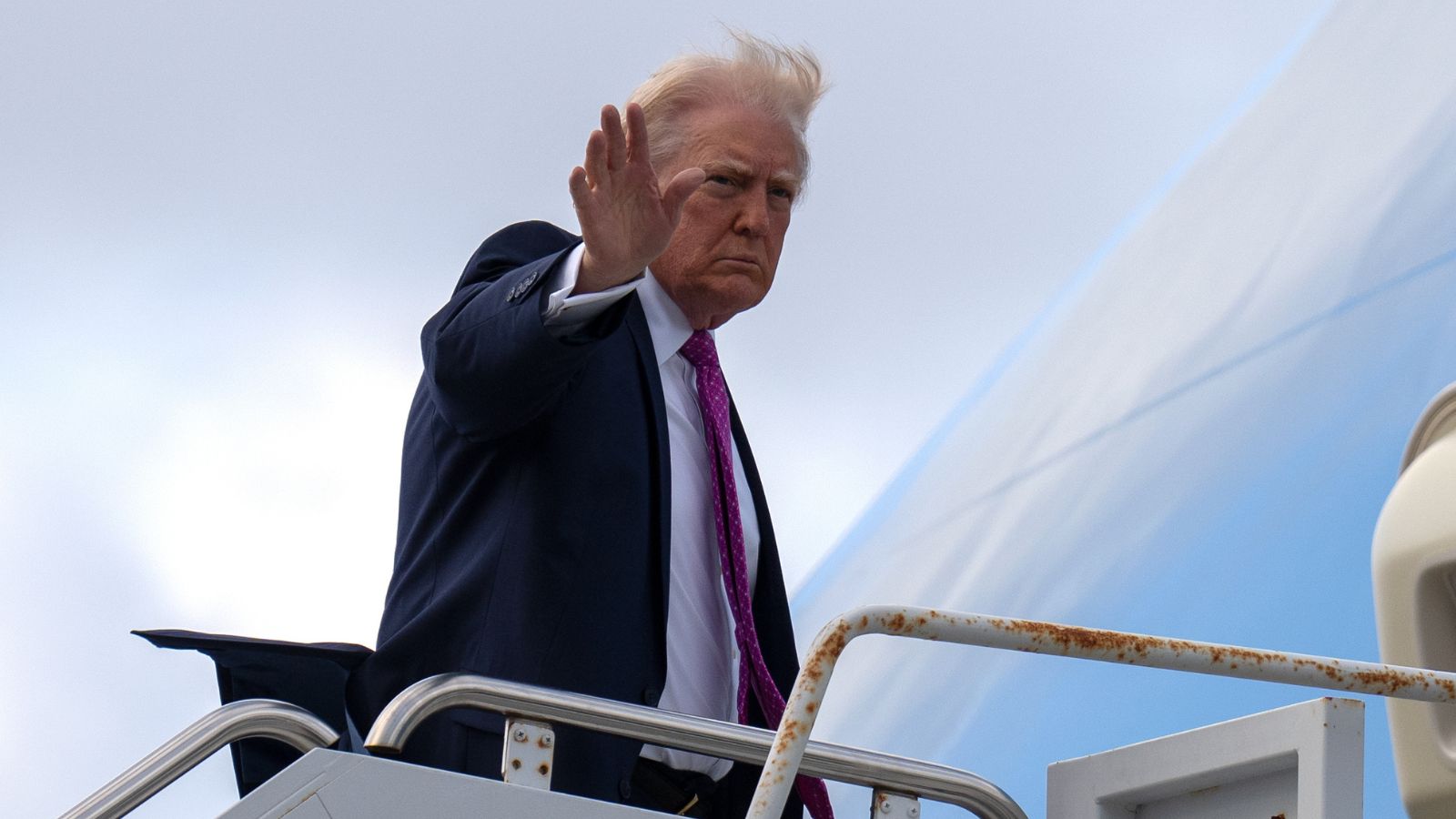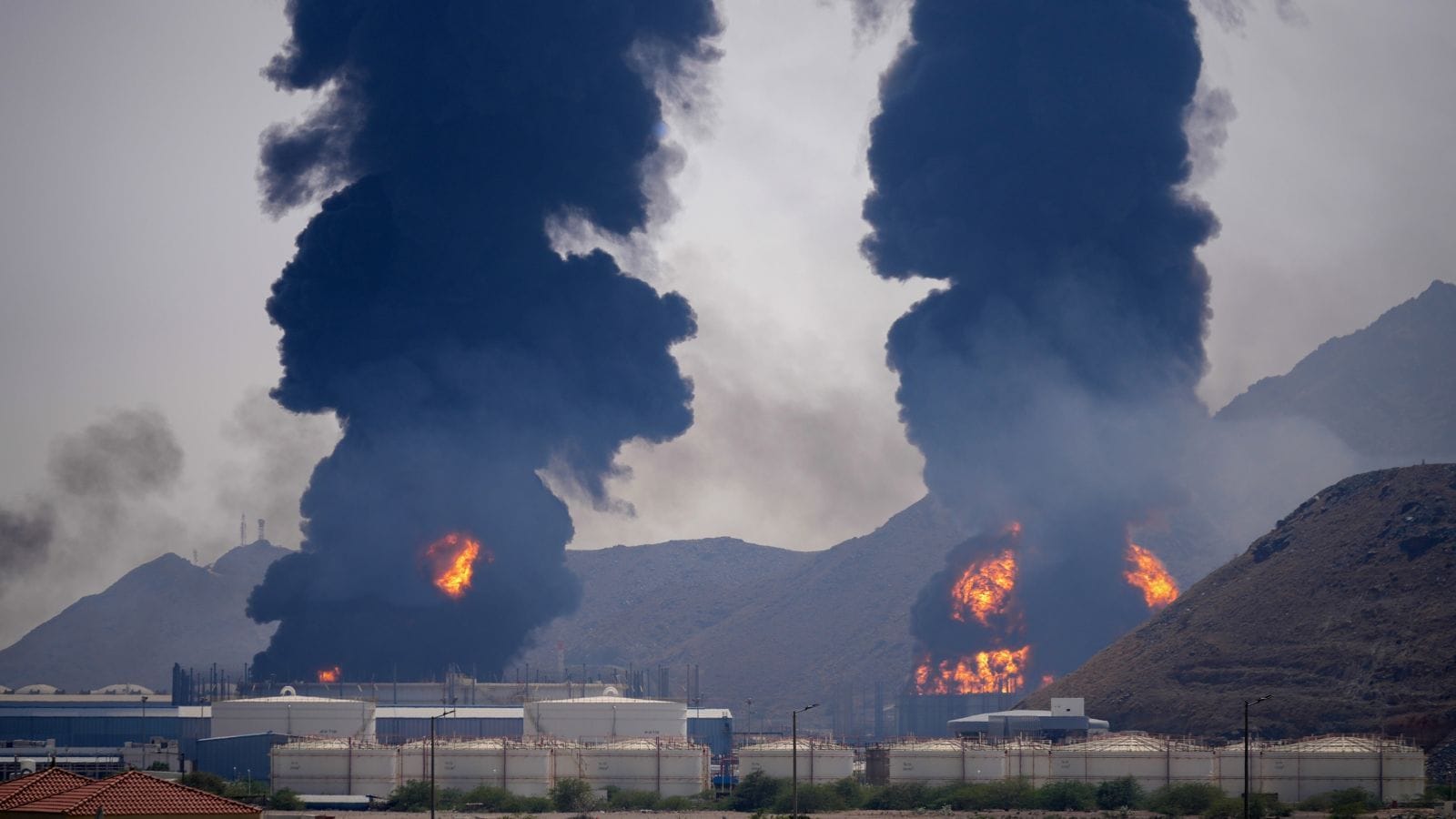
The United States and Israel have entered a decisive phase of their month-long military campaign against Iran, marked by what President Donald Trump describes as the destruction of "long-sought-after targets." On March 30, 2026, the administration declared a "big day" for the operation, claiming that the Iranian Navy and Air Force have been effectively neutralized. However, while the tactical success of these strikes is evident in the smoldering ruins of the Shahroud Military Complex and the depleted missile salvos reaching Tel Aviv, the underlying reality is far more complex than a series of successful sorties. The conflict has transitioned from a campaign of containment to an explicit pursuit of regime change and resource control, a shift that carries staggering risks for global stability and energy security.
The Strategy of Attrition and the Collapse of Iranian Assets
Military analysts have tracked a methodical dismantling of Iran’s strategic depth over the last thirty days. The combined force of U.S. and Israeli assets has targeted the "mixing and casting" buildings essential for solid-fuel ballistic missiles. Satellite imagery confirmed the destruction of at least 28 structures at the Shahroud facility alone. By targeting the industrial machinery—specifically the planetary mixers used for missile fuel—the coalition has not just destroyed weapons; it has destroyed the ability to manufacture them.
This explains why recent Iranian retaliation has been described by the White House as "sputtering." In the first week of March, Iran was capable of launching 90 missiles in a single wave. By the end of this week, that number dropped to an average of ten. The Iranian strategy has shifted to "psychological salvos"—small, frequent launches designed to keep Israeli and Gulf civilians in bomb shelters rather than to achieve military objectives. It is a sign of a military that is running out of teeth.
The Taking the Oil Doctrine
In a candid admission that has rattled European allies and energy markets alike, President Trump has signaled that the next phase of this war involves direct control of Iranian natural resources. "My preference would be to take the oil," Trump stated, specifically highlighting Kharg Island as a primary objective. Kharg handles nearly 90% of Iran’s oil exports. By seizing or neutralizing this hub, the U.S. effectively cuts the financial jugular of the Islamic Revolutionary Guard Corps (IRGC).
This is not merely a punitive measure. It is a fundamental rewriting of the rules of engagement in the Middle East. The "Taking the Oil" doctrine suggests that the cost of the war is to be liquidated by the assets of the defeated. While this appeals to a specific domestic base, it has sent Brent crude prices surging past $116 a barrel. In response, countries like Australia have been forced to implement free public transport to shield their citizens from the resulting fuel poverty. The economic fallout is no longer a side effect; it is a central front of the war.
The Myth of a Reasonable New Regime
The administration is now publicly claiming that "regime change" has already occurred, citing the systematic elimination of Iranian leadership. With the Supreme Leader’s successor, Mojtaba Khamenei, reportedly "seriously wounded" and out of the public eye, Washington is touting a "new group of people" who are supposedly acting "very reasonably."
This narrative serves a specific purpose: it provides an off-ramp for a conflict that is becoming increasingly expensive. Trump has pointed to a 15-point peace plan and the delivery of 20 oil tankers by Iranian entities as a "sign of respect." However, veteran intelligence officers warn against taking this at face value. The "new group" may simply be a shell of the former administration, negotiating out of survival rather than a genuine shift in ideology. Furthermore, the IRGC remains a potent, if decentralized, force capable of asymmetric warfare that could plague the region for a decade.
The Human and Geopolitical Toll
The humanitarian cost of the "Operation Roaring Lion" is beginning to surface despite strict information controls. Estimates suggest over 1,500 Iranian civilians have been killed, with millions displaced. The strikes have not spared infrastructure; steel plants in Isfahan and the heavy water facility in Arak have been hit, as well as civilian water reservoirs in Khuzestan.
On the other side, the "Axis of Resistance" has not been silent. The Houthis officially entered the fray this weekend, launching drones and missiles at Eilat. While many were intercepted, the move proves that the conflict cannot be contained within Iranian borders. The targeting of U.S. bases in the UAE and Kuwait, and the missile strikes on the Diego Garcia base in the Indian Ocean, demonstrate that Iran’s reach—while degraded—remains global.
The Fragility of the End Game
The White House is currently signaling a desire to "wind down" military efforts, yet the deployment of U.S. Marines and heavy landing craft toward the Persian Gulf suggests otherwise. There is a disconnect between the diplomatic rhetoric of a "reasonable deal" and the military reality of a looming ground invasion to secure oil assets.
The brutal truth is that destroying "long-sought-after targets" is the easy part of modern warfare. The difficult part is the vacuum that follows. If the U.S. and Israel succeed in decapitating the Iranian state without a viable, legitimate successor, they risk creating a failed state on the doorstep of the world's most vital energy corridor. The current celebrations of tactical victory may soon be overshadowed by the long-term burden of occupation and the inevitable insurgency that follows the "taking" of a nation's primary resource.
The "Big Day" in Iran may have ended the war as we knew it, but it has almost certainly started a new, more unpredictable era of regional chaos.