The Persian Gulf just became a lot more dangerous. On Wednesday, March 18, 2026, Iranian missiles struck Qatar’s Ras Laffan Industrial City, the beating heart of the world’s liquefied natural gas (LNG) supply. We aren't just talking about a minor disruption or a stray drone. This was a direct, high-precision hit on the infrastructure that keeps lights on from Berlin to Tokyo.
If you thought energy prices were volatile before, buckle up. QatarEnergy has already confirmed "extensive damage" to its core processing operations. Meanwhile, the UAE didn't wait to see if they were next—they’ve already shuttered major gas facilities like the Habshan complex after intercepting their own share of incoming fire.
The immediate fallout? Qatar has effectively kicked out Iran’s military attaches, declaring them persona non grata. But the diplomatic spat is the least of our worries. The real story is the 20% of global LNG supply that's now sitting in the crosshairs of a hot war.
The Targeted Destruction of Ras Laffan
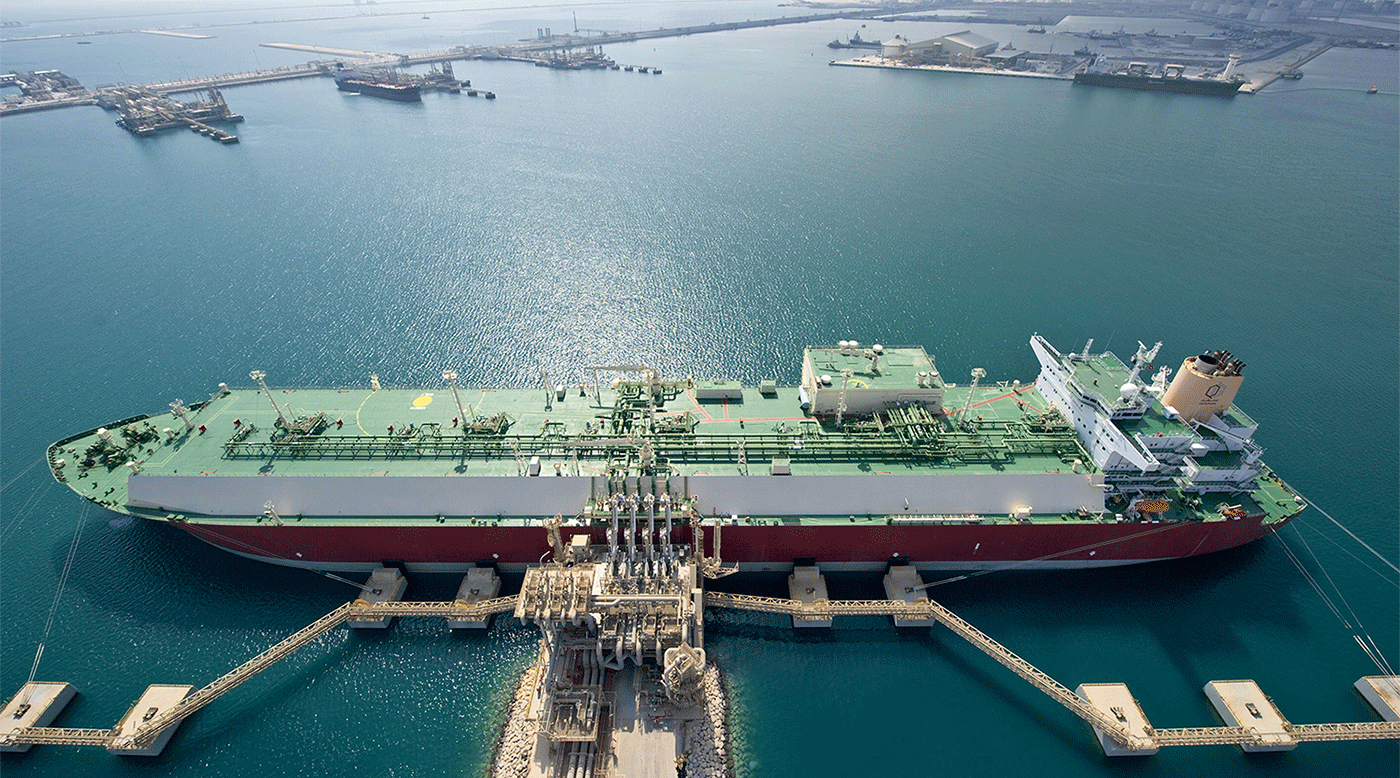
Ras Laffan isn't just another industrial park. Located about 80 km north of Doha, it’s a massive complex that handles the North Dome/South Pars field—the largest natural gas reserve on the planet.
According to reports from QatarEnergy, the attack triggered massive fires that required immediate deployment of emergency teams. While they’ve managed to account for all personnel with no reported deaths, the physical toll on the facility is severe. We're looking at damage to the Pearl GTL (Gas-to-Liquids) plant and multiple LNG processing trains.
This wasn't a random act of aggression. It was a calculated response. Hours before the missiles flew, Iran issued "evacuation warnings" for energy sites across Saudi Arabia, the UAE, and Qatar. This came directly after Israeli and U.S. strikes hit Iran’s own energy hubs in Asaluyeh. Tehran is no longer hiding behind proxies; they're playing a game of "if we can’t export, nobody can."
UAE and Saudi Arabia are Hitting the Panic Button
The UAE’s response was swift and telling. The Abu Dhabi Media Office confirmed that the Habshan gas facilities—one of the largest processing sites in the world with a 6.1 billion cubic feet per day capacity—and the Bab oil field were shut down.
While the UAE claims the shutdowns were a precaution following "falling debris" from intercepted missiles, the reality is clear: the risk of a catastrophic secondary explosion is too high to keep the valves open.
- Saudi Arabia: Intercepted eight ballistic missiles heading for Riyadh and dealt with drone swarms targeting gas facilities in its Eastern Region.
- UAE: Targeted the Ruwais refinery and Habshan complex; several facilities remain offline as of Thursday morning.
- Kuwait: Like Qatar, Kuwaiti producers have been forced to declare force majeure on certain exports as shipping lanes in the Strait of Hormuz become a no-go zone.
What This Means for Your Energy Bill
You don't have to live in the Middle East to feel the heat from these strikes. The market reaction has been violent. European gas prices (Dutch TTF) jumped nearly 60% in the immediate aftermath.
If these facilities stay offline for more than a few weeks, we're looking at a systemic economic shock. Roughly one in every five LNG cargoes globally originates from Qatar. Without that volume, countries like Germany—which pivoted hard to LNG after 2022—will find their storage levels plummeting just as they try to recover from the winter season.
Honestly, the "energy independence" talk we've heard for years is looking pretty flimsy right now. Even if the U.S. is a top producer, a global price spike is a global price spike. When the world's most concentrated energy hub starts burning, everyone pays.
The Helium Factor Nobody is Talking About
Here’s a detail most news outlets are skipping: Ras Laffan is the world’s largest producer of helium. It accounts for about one-third of the global supply. Helium isn't just for birthday balloons; it's critical for:
- Semiconductor manufacturing (your phone and car chips).
- MRI machines in hospitals.
- High-tech cooling systems for data centers.
A prolonged shutdown at Ras Laffan doesn't just mean higher heating bills—it could literally stall the global tech supply chain.
Trump’s Response and the Risk of Total War
President Trump hasn't minced words. Posting on Truth Social, he warned that if Iran targets Qatar again, the U.S. could "massively blow up the entirety of the South Pars Gas Field."
It's a high-stakes game of chicken. Iran is betting that by hurting the global economy, they can force the West to restrain Israel. The West is betting that localized strikes will deter Iran. So far, both bets look like losers.
The Strait of Hormuz is currently a "trickle" compared to its usual 20 million barrels of oil per day. With tankers refusing to transit without massive insurance premiums—or refusing to go at all—the physical movement of energy has ground to a near-halt.
Immediate Steps to Watch
If you're tracking the impact of this crisis on your business or investments, keep an eye on these specific indicators over the next 48 hours:
- Force Majeure Notices: Watch for QatarEnergy and ADNOC to extend their delivery cancellations. This is the legal "we can't fulfill our contract" signal that sends prices to the moon.
- Shipping Insurance Premiums: If "War Risk" premiums continue to climb, expect a surcharge on every imported good, not just fuel.
- IEA Reserve Releases: The International Energy Agency has already moved to release 400 million barrels from emergency reserves, but this is a band-aid on a gunshot wound if the gas processing plants themselves are structurally damaged.
The era of "safe" Gulf energy is over. Whether you're an investor or just someone trying to budget for a commute, the fire at Ras Laffan is a signal that the global energy map is being redrawn in real-time. Don't expect things to go back to "normal" anytime soon.