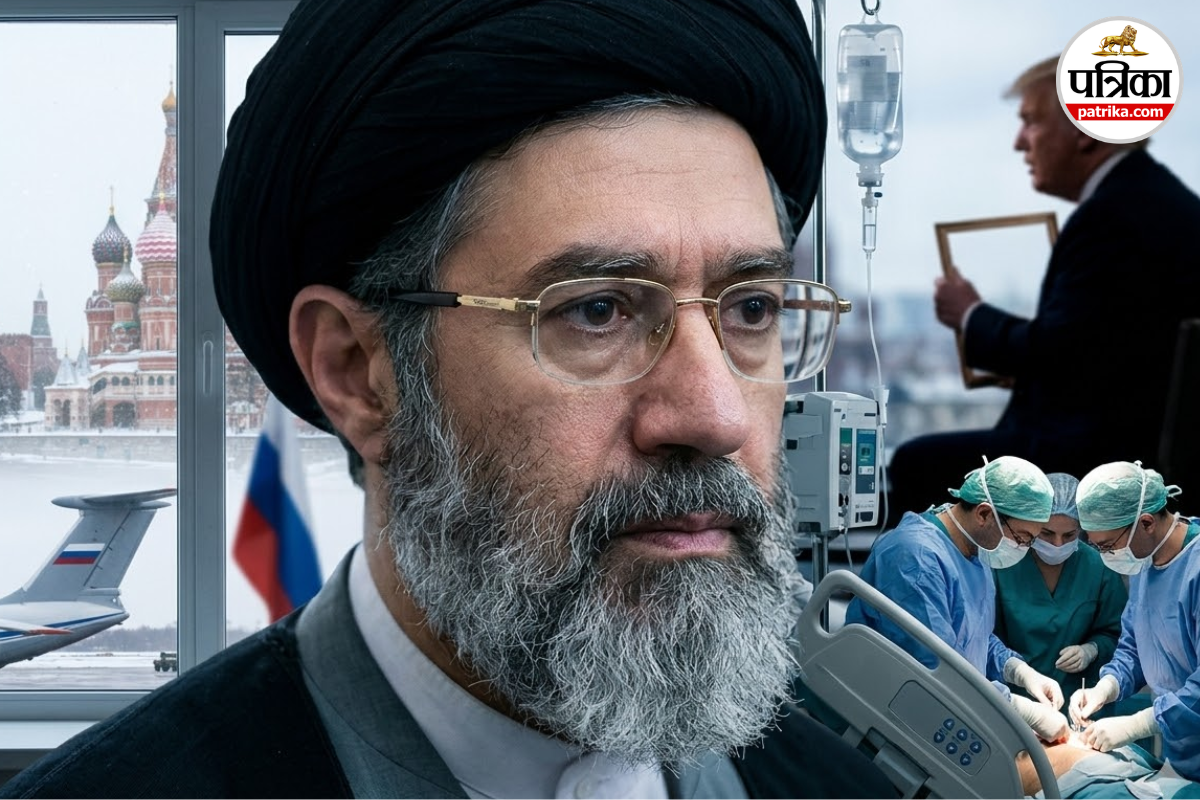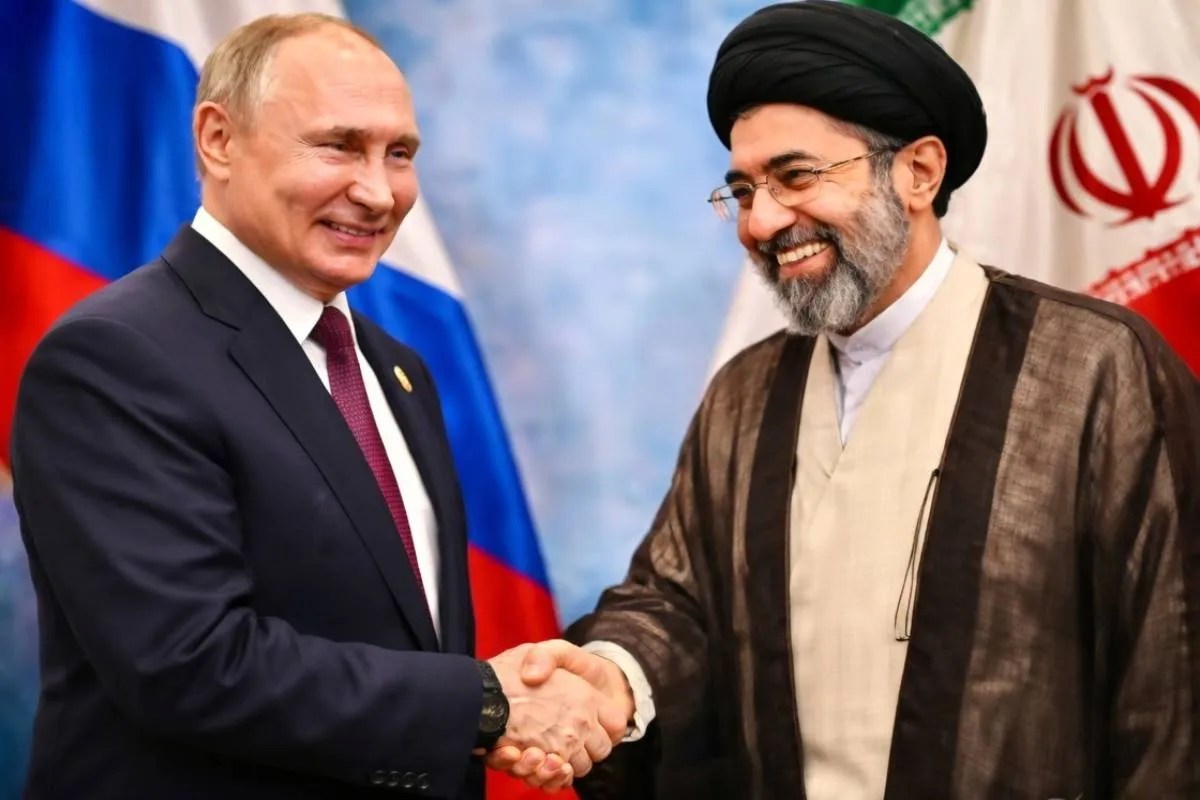
The air in Moscow during the transition from winter to spring is a peculiar kind of heavy. It is damp, smelling of old stone and diesel, and filtered through a sky that refuses to commit to either light or dark. Somewhere within the sterile, high-security corridors of a Russian medical facility, a man who may soon hold the keys to one of the most volatile nations on earth lay under the glare of surgical lights.
His name is Mojtaba Khamenei. He is the second son of Iran’s Supreme Leader, Ali Khamenei. He is also, according to growing intelligence whispers, a man whose survival is now a matter of global security.
The operation was not announced. There were no press releases from Tehran, no official get-well wishes from the Kremlin, and certainly no television cameras. In the world of high-stakes Middle Eastern succession, health is not a private matter; it is a vulnerability. For Mojtaba, the decision to go under the knife in Moscow rather than Tehran tells a story of deep-seated fear and a desperate need for a sanctuary that his own borders could no longer provide.
The Shadow in the Hallway
To understand why a potential future leader would flee his own world-class medical facilities, you have to look at the sky over Isfahan and Tehran. It is a sky currently dominated by the invisible reach of Israeli intelligence. After the high-profile assassinations and sophisticated sabotage efforts that have rocked the Iranian establishment over the last year, the paranoia in the halls of power has become breathable.
Imagine being the chosen successor, the "Crown Prince" of a clerical revolution, knowing that your every movement is being tracked by satellites and signaled by informants. In Tehran, a hospital is a target. A recovery room is a trap.
The choice of Moscow was tactical. It was a move born of the singular, iron-clad alliance between Vladimir Putin and the Khamenei lineage. Russia provides more than just surgical expertise; it provides a kinetic shield. By moving Mojtaba to a Russian facility, the Iranian leadership bet on a single premise: Israel would not risk a direct strike on Russian soil.
A Dynasty on the Brink
For decades, Mojtaba Khamenei has been a ghost. While his father delivered fiery sermons and navigated the intricate web of the Revolutionary Guard, Mojtaba operated in the background. He managed the finances. He cultivated the loyalty of the Basij militia. He became the "fixer."
But ghosts eventually have to step into the light.
As his father nears his late eighties, the question of "what comes next" has moved from a whispered anxiety to a looming deadline. The Iranian political structure is a delicate house of cards held together by the gravity of a single man. If that man’s successor is physically compromised—or worse, if he is perceived as weak—the entire structure begins to shudder.
The surgery in Moscow wasn't just about fixing a physical ailment. It was a frantic effort to ensure the continuity of a regime. If Mojtaba is the bridge to the future, that bridge currently has cracks. The operation was a "secret" only in the sense that the public wasn't told; to the intelligence agencies of the West and the Levant, it was a flashing red light on a dark dashboard.
The Russian Connection
There is a cold irony in a revolutionary leader seeking salvation in the arms of the former Soviet heartland. The relationship between Russia and Iran has evolved from one of convenience to one of existential necessity. Iran provides the drones that haunt Ukrainian skies; Russia provides the diplomatic cover and the high-security operating rooms where heirs are mended.
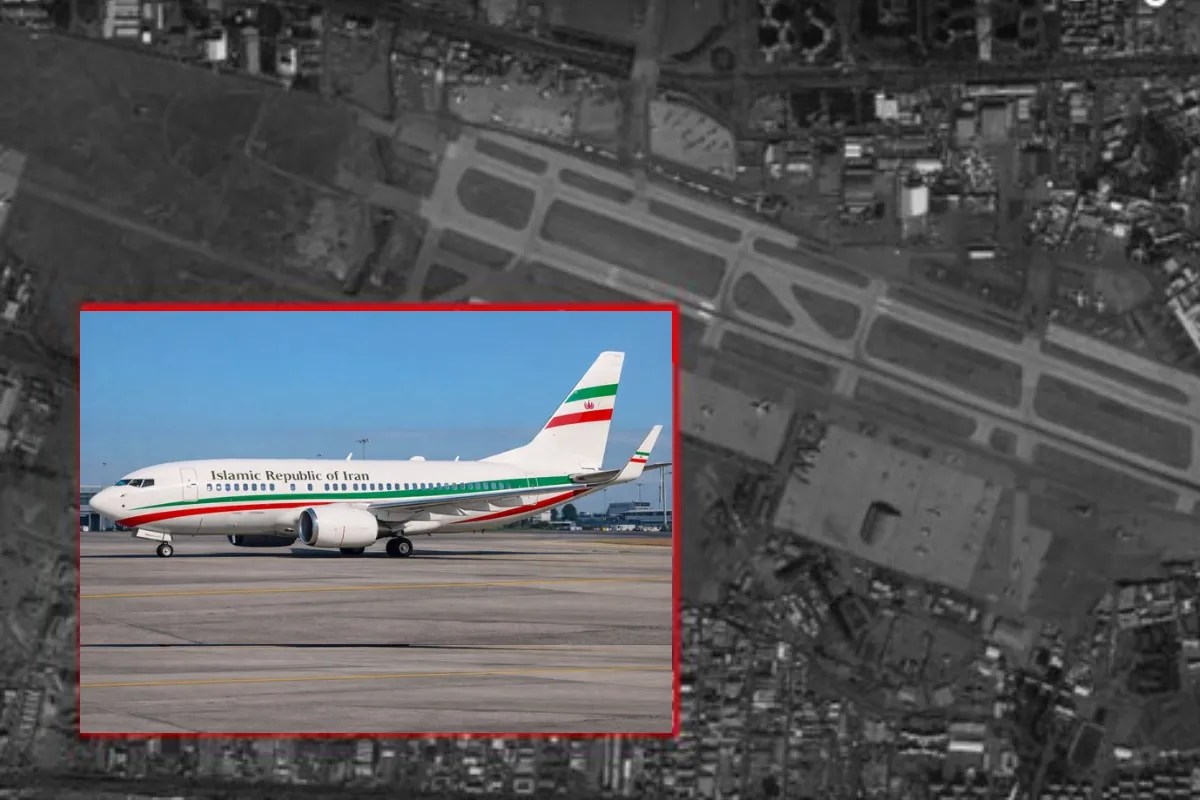
Consider the logistics of such a trip. A private flight, likely under a false manifest. A motorcade that avoids the main thoroughfares of Moscow. A wing of a hospital cleared of all non-essential personnel.
The silence surrounding the procedure is more telling than any statement could be. In the Middle East, a leader’s health is his primary currency. To admit to surgery is to admit to mortality. For a regime that thrives on the image of divine mandate and unflinching strength, a scalpel is a terrifying tool. It reminds the populace that even the most powerful are made of nothing more than blood and bone, susceptible to the same decays as the people they rule.
The Invisible Stakes
Why does this matter to someone sitting in a coffee shop in London or a suburb in Ohio?
Because the stability of the global oil market, the potential for nuclear escalation, and the shadow war between Iran and Israel all hinge on the stability of the hand that holds the Iranian scepter. If the surgery in Moscow had failed, or if complications arise, the power vacuum created in Tehran would not be filled quietly. It would be filled with the sound of internal purges and external aggression.
The Revolutionary Guard (IRGC) is not a monolithic entity. There are factions. There are rivalries. Mojtaba is the glue that is supposed to keep the IRGC aligned with the clerical establishment. Without him, the "deep state" of Iran could fracture, leading to a level of internal chaos that makes the current regional tensions look like a rehearsal.
The Weight of a Name
Mojtaba carries a weight that few can fathom. He is the son of the Revolution, yet he must navigate a world that wants to see that revolution ended. He is a man of faith who relies on the technology of a secular, former-atheist state to keep him breathing.
He is, in many ways, the personification of the modern Iranian dilemma: trapped between an ideological past and a pragmatic, dangerous future.
The surgery is over. The rumors say he is recovering. But the scars from this period will not be just physical. They are political. They are the marks of a man who had to leave his own kingdom to find safety, a man who knows that his greatest enemies are not just across the border, but perhaps within the very walls of the palace he hopes to inherit.
The lights in the Moscow clinic eventually dimmed. The motorcade returned to the tarmac. The "Crown Prince" returned to the fortress. But the world now knows that the armor is thin.
He is no longer just a shadow. He is a patient. And in the brutal mathematics of power, a patient is always one heartbeat away from being a memory.
The silence from Tehran continues, heavy and deliberate, while the rest of the world watches the horizon, waiting to see if the man who went to Moscow returns as a king, or as a liability.
The scalpel has done its work. Now, the waiting begins.
Would you like me to look into the historical precedents of foreign medical treatments for world leaders and how they affected their political standing?