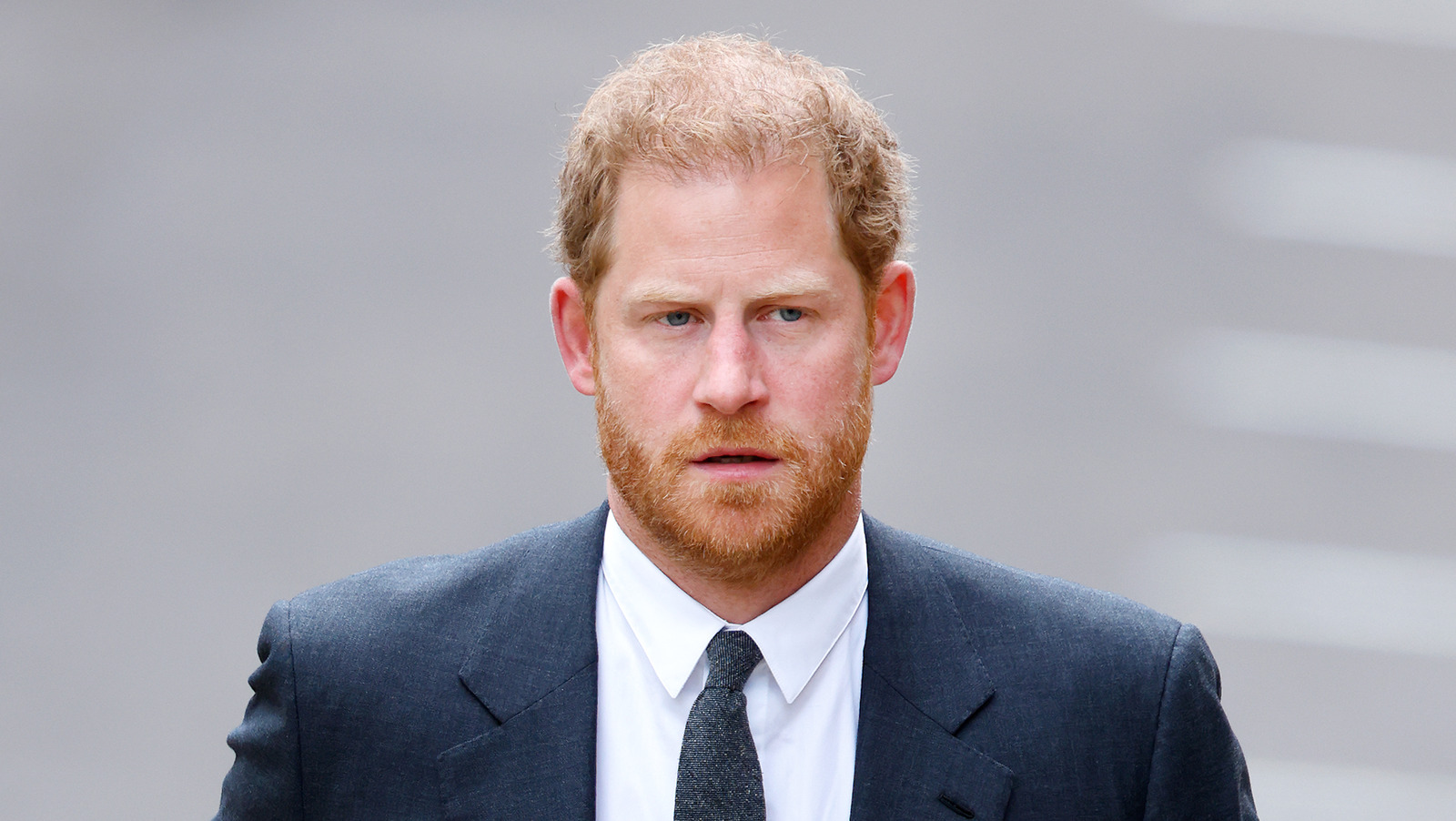
Prince Harry is back in the headlines, but don't expect a quick resolution to his latest legal skirmish with Associated Newspapers Limited (ANL). Mr. Justice Fancourt made it clear in London’s High Court that we're in for a long wait. The judge isn't rushing. He’s signaled that the ruling on whether this massive privacy case even goes to a full trial won't happen overnight. If you're looking for instant gratification or a "guilty" verdict by the end of the week, you're going to be disappointed.
This isn't just about one disgruntled royal. It's a high-stakes collision between the British press and a group of high-profile figures including Elton John and Elizabeth Hurley. They’re accusing the Daily Mail’s publisher of some pretty dark stuff—phone tapping, hiring private investigators to place bugs in cars, and even blagging medical records. ANL denies everything. They want the whole thing thrown out before it even reaches a jury.
The legal machinery in the UK moves at its own pace. Justice Fancourt has to sift through mountains of evidence and complex legal arguments regarding "limitation periods." Basically, the Mail is arguing that Harry and his co-plaintiffs waited too long to sue. Harry says he didn't know the extent of the alleged activity until recently. Who's telling the truth? That’s what the judge is weighing right now, and he’s taking his time to get it right.
The Heart of the Delay
Why the wait? It's not just laziness or judicial red tape. This specific hearing was a "summary judgment" application. The Mail wants the judge to decide that the claimants have no realistic prospect of winning, so there’s no point in a trial. That’s a heavy lift. To toss a case this big, a judge needs to be certain there's no "triable issue."
Justice Fancourt has a lot on his plate. He’s already been managing the separate phone-hacking litigation against Mirror Group Newspapers. He knows the nuances of these privacy laws better than almost anyone in the country. He’s balancing the right to privacy against the freedom of the press, and every word he writes in this ruling will be scrutinized by lawyers across the globe. He told the court that because of the volume of information, the judgment "will take some time." He didn't give a specific date. We could be looking at weeks or even months.
Harry’s legal team is pushing the narrative that the alleged industrial-scale snooping was kept hidden from them for decades. They’re relying on "new" evidence from private investigators who have since turned on the newspapers. The Mail, meanwhile, is digging in their heels. They claim the information was already out there in the public domain and that the stars should've sued years ago if they were actually bothered by it.
What's Actually at Stake for the Daily Mail
If the judge allows this case to proceed, it’s a nightmare scenario for Associated Newspapers. We aren't just talking about a fine. We're talking about a full-blown public trial where editors, past and present, might have to take the stand. The reputational damage would be massive.
The Daily Mail has long positioned itself as the voice of "Middle England." For years, they’ve been the ones doing the judging. Now, the tables have turned. They’re the ones in the dock. If the case goes to trial, we’ll likely see internal emails and documents that the publisher would much rather keep buried. This is why they’re fighting so hard to kill the case now. They want to avoid the "discovery" phase at all costs.
Harry isn't doing this for the money. He's made it his life's mission to reform the British press. He sees himself as a crusader. By dragging the Mail into court, he’s trying to force a systemic change in how tabloids operate. Whether he wins or loses, he's already succeeded in making the public question the methods used to get those "exclusives."
The Legal Hurdle of Limitation Periods
Let’s talk about the six-year rule. In the UK, you generally have six years to bring a claim for privacy or harassment. Most of the allegations in this case date back to the late 90s and early 2000s. On paper, Harry is way past the deadline.
However, there’s a massive exception. If the defendant deliberately concealed the facts, the clock doesn't start ticking until the victim discovers the truth—or could have reasonably discovered it. This is the battlefield.
- The Mail says: "You should've known. Other people were suing us. It was in the news. You’re too late."
- Harry says: "You lied to me. You told the Leveson Inquiry you didn't do this. I only found out the truth when whistleblowers came forward recently."
Justice Fancourt has to decide if Harry's "belated discovery" is legally plausible. If he decides it isn't, the case dies here. If he decides there’s even a chance Harry is right, we’re heading for a trial that will dominate the news cycle for a year.
Beyond the Royal Drama
It’s easy to focus on Harry because, well, he’s a prince. But the presence of Elton John and David Furnish adds serious weight. These aren't people who sue for fun. They have the resources to fight a war of attrition against a multi-billion dollar media empire.
The allegations are genuinely wild. We’re talking about:
- Hiring private investigators to put listening devices inside people's homes.
- Accessing private bank accounts through deception.
- Using "blaggers" to get confidential medical info.
If even 10% of this is true, it suggests a culture of illegality that goes far beyond a few "rogue reporters." It points to a structural issue within the organization. That’s why the judge is being so careful. He isn't just deciding a small civil dispute. He’s deciding the future of investigative journalism—and its limits—in the UK.
The Courtroom Atmosphere
During the four-day hearing, the tension was palpable. Harry sat in the gallery, just a few feet away from the journalists he despises. It was a power move. Usually, claimants don't show up for these preliminary hearings. By being there, he signaled that he’s personally invested. He wasn't just a name on a legal brief; he was a witness to the proceedings.
The Mail’s lawyers were aggressive. They characterized the claims as "baseless" and "preposterous." They tried to paint the celebrities as being opportunistic. It’s a classic defense strategy: attack the person to distract from the evidence. But the judge didn't seem swayed by the theatrics. He stayed focused on the law.
The Long Road to a Final Verdict
Don't expect a resolution in 2026. Even if Justice Fancourt rules in favor of Harry in the coming months, that’s just the permission to start the real fight. A full trial would involve hundreds of witnesses and thousands of documents. It would take years.
There’s also the possibility of an appeal. Whichever side loses this current round is almost certain to challenge the decision in the Court of Appeal. We’re looking at a legal marathon, not a sprint.
The media landscape is changing. People are more skeptical of tabloids than they used to be. Social media has broken the monopoly that the big papers once had on information. Harry is leaning into this shift. He’s betting that the public's appetite for intrusive "scoops" has soured.
Reality Check for Followers of the Case
If you're following this closely, stop checking for updates every hour. The judge was explicit. He has to write a detailed, reasoned judgment that survives appellate scrutiny. That takes time.
In the meantime, keep an eye on Harry’s other legal battles. He has several ongoing cases against different publishers. Success in one could create momentum for the others. Conversely, a loss here would be a devastating blow to his "press reformer" brand.
The most important thing to watch isn't the celebrity gossip, but the legal precedent being set regarding the "concealment" of illegal acts. That's the lever that will either open the floodgates for more lawsuits or shut them forever.
Stay patient. The wheels of justice are turning, just slowly. The Prince Harry case against the Daily Mail is a landmark moment, but we’re still in the opening chapters. If you want to understand where this is going, look at the legal filings regarding the private investigators. That’s where the real "smoking gun" evidence—if it exists—will be found. Be prepared for a long, quiet period followed by a very loud legal explosion whenever that ruling finally drops.