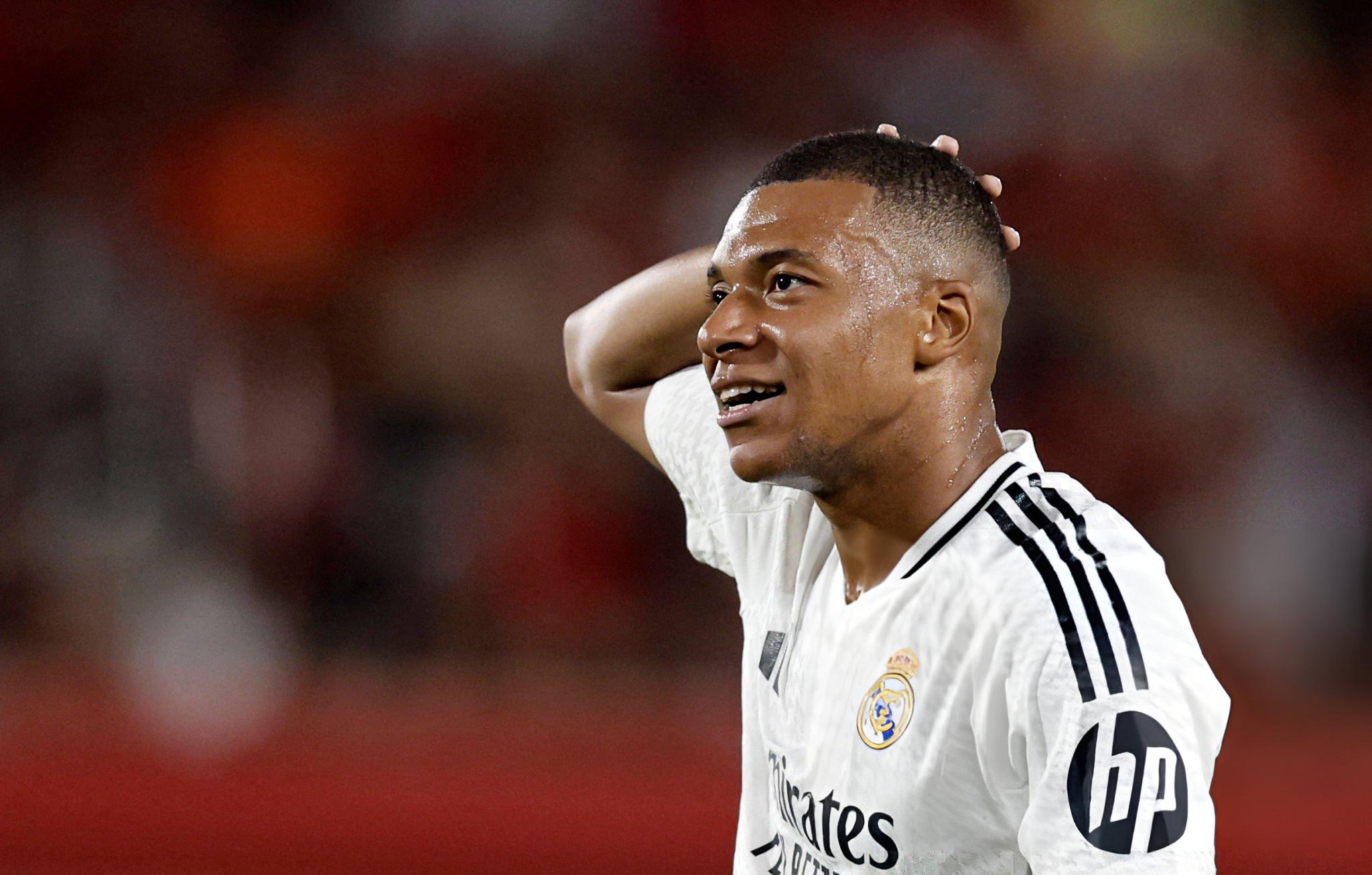
Forty thousand euros is roughly what a top-tier European club spends on a single month’s supply of high-end isotonic drinks. It is a rounding error. It is a microscopic line item in a multi-billion-euro industry. Yet, this is the figure UEFA’s Control, Ethics and Disciplinary Body deemed sufficient to "punish" Benfica for the racist and discriminatory behavior of its supporters during a Champions League clash with Real Madrid.
The match, which took place on February 17, 2026, was not merely a tactical battle that saw Madrid scrape a 1-0 victory in Lisbon. It was a 90-minute collapse of basic sporting decency. While the headlines focus on the fine, the real story lies in the terrifyingly low bar for accountability and the persistent targeting of Vinícius Júnior, a player who has become a lightning rod for the game’s ugliest impulses.
The Lisbon Flashpoint
The atmosphere at the Estádio da Luz was combustible from the opening whistle, but it reached a breaking point in the second half. Shortly after Vinícius Júnior broke the deadlock, the Brazilian forward reported being racially abused by Benfica winger Gianluca Prestianni. The 20-year-old Argentine allegedly pulled his jersey over his mouth to mask his words—a cowardly tactic designed to evade the eyes of lip-readers and the ears of nearby microphones.
Vinícius immediately alerted the referee, François Letexier, who was forced to activate the standard anti-racism protocol. The game ground to a halt for nearly 10 minutes. In the stands, the response to a player reporting abuse was not shame, but escalation. Television images later confirmed that while Vinícius pleaded his case, multiple fans in the home sections were making monkey gestures.
UEFA eventually issued its verdict on March 25, 2026. The breakdown of the financial penalties reads like a grocery list of stadium mismanagement:
- €40,000 for racist and/or discriminatory behavior.
- €25,000 for the throwing of objects onto the pitch.
- €8,000 for the use of laser pointers.
- A one-match suspension for assistant coach Pedro Machado for unsporting conduct.
The club was also hit with an order to close 500 seats in sectors 10 and 11, but there is a catch. The closure is suspended for a one-year probationary period. In the world of football governance, a suspended sentence is often just a polite way of doing nothing.
The Mourinho Defense and the Eusébio Shield
In the aftermath of the Lisbon incident, Benfica’s manager, José Mourinho, took a stance that many found deeply problematic. Rather than offering a full-throated condemnation of the abuse directed at Vinícius, the veteran coach pivoted. He suggested that if a player scores a goal, they should "celebrate respectfully" and implied that Vinícius's own actions provoked the crowd.
"The greatest figure in Benfica's history is Eusébio, who is also Black," Mourinho remarked during a post-match interview. "This club has no connection to racism."
This is a classic deflection. Invoking the ghost of a legend to provide cover for modern-day bigotry is a tired trope in European football. Having a Black icon in your history books does not grant a club immunity from the actions of its current fanbase. By framing the incident as a matter of "provocation," Mourinho effectively shifted the burden of the abuse onto the victim. It is a form of gaslighting that suggests a player’s personality or celebration style somehow dictates whether they deserve to be treated with human dignity.
The Institutional Failure of the Three Step Procedure
UEFA frequently touts its "Three-Step Procedure" as a robust mechanism for handling racism.
- Step One: Stop the match and make a stadium announcement.
- Step Two: Suspend the match and send players to the dressing rooms.
- Step Three: Abandon the match entirely.
In Lisbon, the match reached Step One. It hovered on the precipice of Step Two. However, the pressure to complete the broadcast window and the fear of the logistical nightmare following an abandonment almost always keep the whistle in the referee's pocket.
When the game is allowed to continue after a ten-minute delay, the message to the abusers is clear: your behavior is a nuisance, but it isn’t a dealbreaker. The "No Racism" gestures and the slickly produced pre-match videos are revealed as hollow branding exercises when the subsequent punishment is a fine that the club can pay with the proceeds from a single VIP lounge on a Tuesday night.
The Prestianni Investigation
While the fan fines have been settled, the case against Gianluca Prestianni remains an open wound. The Argentine winger faces a potential 10-game ban if UEFA finds him guilty of using the slur Kylian Mbappé claimed to have heard five times. Prestianni was provisionally suspended for the second leg in Madrid, a game Benfica lost 2-1 to exit the competition 3-1 on aggregate.
Benfica has officially backed their player, claiming a "defamation campaign" is underway. They have pointed to their own internal actions—revoking the "Red Pass" season tickets of five fans caught on camera—as proof of their commitment to the cause. While internal bans are a necessary step, they are often used as "good behavior" tokens to negotiate down the severity of UEFA's sanctions. It worked. The 500-seat closure remains a threat rather than a reality.
The Disconnect in Data
The rise in reported racism isn't a fluke. Data from anti-discrimination bodies like Kick It Out shows a 32% rise in discrimination reports over the last cycle. Specifically, racism remains the most reported form of abuse, accounting for roughly 49% of all incidents.
What the numbers don't show is the psychological toll on players like Vinícius Júnior. He is currently playing in a climate where he is "hunted" for sport. When a stadium closure is reduced to a symbolic gesture and a fine is less than a mid-level player's weekly salary, the governing bodies aren't fighting racism. They are simply taxing it.
Until the punishment involves the loss of points or a total, non-negotiable stadium ban, the Estádio da Luz and dozens like it across Europe will continue to be spaces where a €40,000 fee buys the right to target a human being for the color of his skin. The "Stadium of Light" remains remarkably dark on this issue.
Real Madrid advanced to the next round, but the sport itself took a massive step backward. Benfica fans will return to their seats, the €73,000 total fine will be paid, and the cycle will inevitably repeat in the next high-stakes fixture. Stop pretending these fines are a deterrent.