The waiting room chair always feels too small. It is a specific kind of architectural cruelty, a physical reminder that you are taking up more space than society deems polite. Sarah knows this feeling. She has spent twenty years navigating a world built for smaller versions of herself. When she sits across from her GP, Dr. Aris, she isn't looking for a miracle. She is looking for an ally.
Dr. Aris is tired. His screen flickers with a backlog of patients, a digital queue of human suffering that never seems to shorten. He has ten minutes to change a life. Usually, he offers the standard script: move more, eat less, join a group, try harder. But today, the script has a new appendix.
There is a financial incentive on the table. £3,000.
It is a number that changes the air in the room. This isn't just about medicine anymore. It is about the mechanics of a healthcare system trying to buy its way out of a crisis. The government has decided to offer GP surgeries a bonus—a direct cash injection—if they successfully "maximise" the rollout of weight-loss injections like Wegovy and Mounjaro.
Money. Health. Guilt. They are now inextricably linked.
The Ledger of Human Health
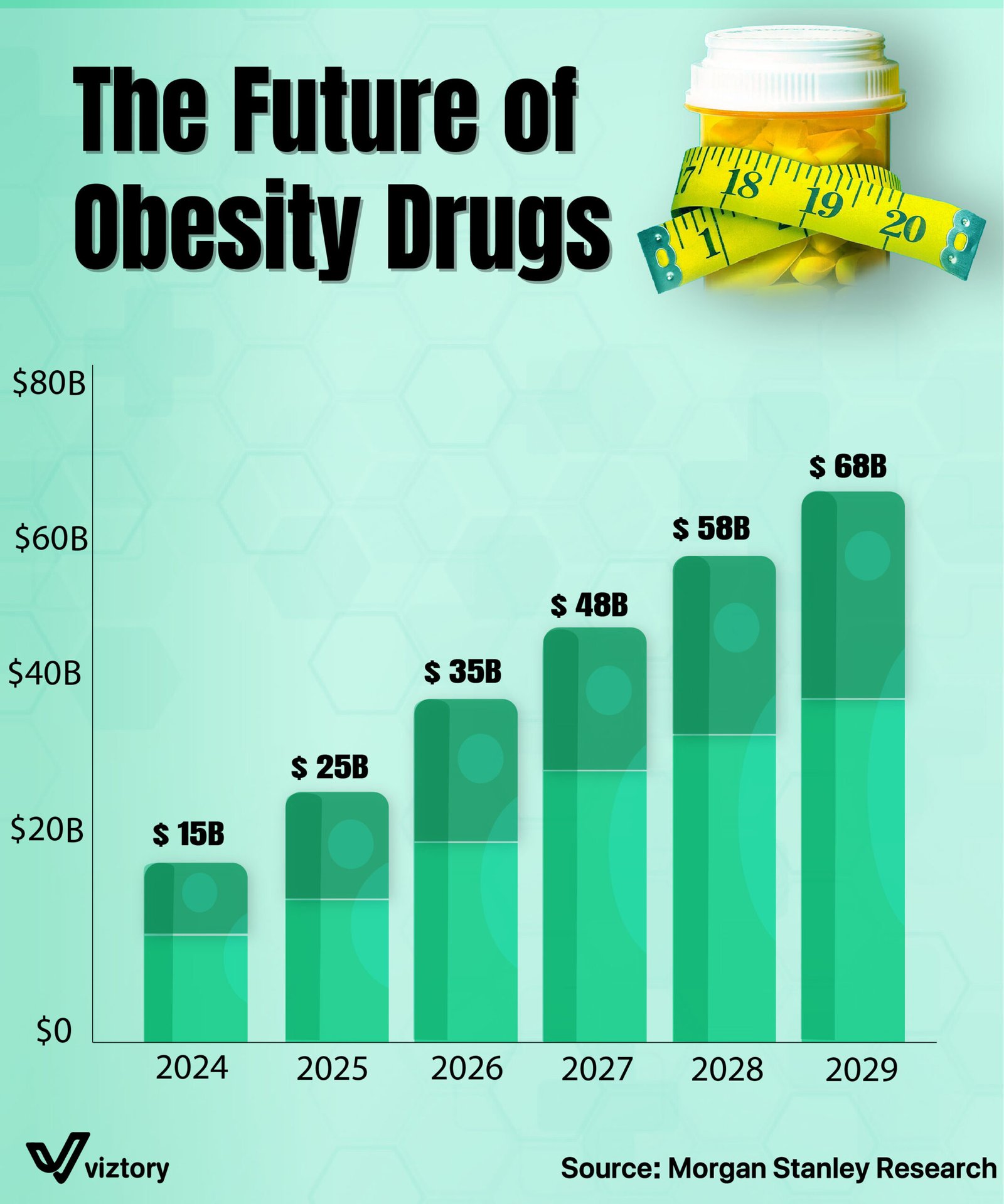
At its core, the policy sounds like cold, hard logic. Obesity costs the NHS billions every year. It fuels the engines of type 2 diabetes, heart disease, and joint replacements. If the state can spend a few thousand pounds to encourage doctors to prescribe a drug that reduces those long-term costs, the spreadsheet balances out.
But medicine isn't a spreadsheet.
When a doctor looks at a patient, they should see a story, not a line item. By attaching a £3,000 bonus to the volume of prescriptions, the boundary between clinical necessity and financial targets begins to blur. Imagine a teacher being paid a bonus for every student they place on a specific medication for ADHD. We would ask questions. We would wonder if the child truly needed the pill or if the school simply needed the roof fixed.
The drugs themselves are, by all accounts, remarkable. They mimic hormones that tell the brain it is full. They quiet the "food noise" that plagues people like Sarah—the constant, intrusive thoughts about the next meal that thin people rarely understand. For many, these injections are a ladder out of a dark pit.
The problem isn't the medicine. The problem is the motivation.
The Burden of the Bonus
Think about the pressure on a small practice in an underserved neighborhood. The walls are peeling. The staff is burnt out. A £3,000 bonus could pay for a new nurse, a better booking system, or simply keep the lights on.
In that environment, the "invisible hand" of the incentive becomes a heavy weight. When Sarah walks in, does Dr. Aris see a woman who might benefit from a holistic approach involving therapy and nutritional support? Or does he see the final prescription needed to hit a quarterly target and unlock the funding his surgery desperately needs?
Trust is a fragile thing. It is built on the assumption that your doctor is acting solely in your best interest. Once you introduce a bounty, that trust develops a hairline fracture. Sarah might lose the weight. She might feel better than she has in decades. But in the back of her mind, there is a nagging question: did he give me this because I needed it, or because I was worth three grand?
The Myth of the Easy Fix
We are a culture obsessed with the shortcut. We want the result without the ritual. The narrative surrounding these "skinny jabs" often treats them as a magic wand, ignoring the reality that they are often lifelong commitments. Stop the drug, and the weight frequently returns, sometimes with a vengeance.
By incentivizing the prescription rather than the long-term support, the system is doubling down on the "pill for every ill" philosophy. It ignores the fact that obesity is often a symptom of a broken food environment, of poverty, and of trauma. It is much cheaper to pay a doctor to hand out a pen-injector than it is to fix a broken society where fresh vegetables cost more than processed calories.
Consider the ripple effect. If GPs are focused on maximizing these specific prescriptions to hit their bonus, what happens to the patients with complex, "unprofitable" chronic illnesses? What happens to the slow, agonizing work of mental health support?
Focus is a finite resource.
The Echo in the Consultation Room
Back in the surgery, Sarah listens as Dr. Aris explains the benefits of the new medication. He mentions the weight loss. He mentions the reduced risk of stroke. He doesn't mention the £3,000.
He doesn't have to. The policy lives in the silence between them.
The NHS is a jewel, but it is a jewel under immense pressure. We want it to be efficient. We want it to be modern. But we must be careful that in our rush to "solve" obesity, we don't accidentally commodify the people living with it. A patient is not a milestone. A body is not a budget deficit.
The real cost of this bonus isn't the millions of pounds leaving the Treasury. The real cost is the subtle shift in the doctor-patient relationship. It turns an act of healing into a transaction. It suggests that the complexity of human biology can be simplified into a performance-related pay scheme.
Weight loss is a deeply personal, often painful journey. It involves unlearning decades of coping mechanisms. It involves facing the mirror and the world with a new skin. It is a transformation of the self. To reduce that process to a "maximised" target is to strip away the dignity of the person in the waiting room chair.
Sarah leaves the surgery with a prescription in her hand. She feels a flicker of hope. She also feels a strange sense of being watched—not by a caring physician, but by a system that has finally found a way to make her struggle profitable.
The chair in the waiting room remains small. The stakes, however, have never been larger.
We are entering an era where our health is increasingly managed by algorithms and incentives. We must ask ourselves if we are comfortable with a world where the hand that heals is also the hand that collects a commission. If we lose the purity of the clinical decision, we lose the heart of medicine itself.
The needle is small. The sting is brief. But the mark it leaves on the way we care for one another might last forever.