The room was quiet, the kind of heavy silence that only exists when billions of dollars are resting on the breath of twelve ordinary people. They weren’t tech titans. They weren't venture capitalists from Sand Hill Road or engineers who spent their nights dreaming in Python. They were jurors in a federal courtroom in San Francisco, tasked with deciding if a few lines of digital text—typed out by the wealthiest man on the planet—constituted a lie expensive enough to break the law.
When the verdict came down, it wasn't a roar. It was a ripple. The jury found that Elon Musk had indeed misled investors during his chaotic, high-velocity acquisition of Twitter. Learn more on a connected issue: this related article.
To understand how we got to a point where a single man’s social media feed became a matter of federal litigation, we have to look past the stock tickers. We have to look at the psychology of the "funding secured" era, a time when the boundaries between a CEO’s private whims and a public company’s market value dissolved into a blur of blue light and notification pings.
The Architect of Volatility
Imagine you are a retail investor. You aren't a shark. You’re a high school teacher in Ohio or a nurse in Sacramento, putting a few thousand dollars into the market because you believe in the future. You see a post from the person leading that future. It says the deal is done. It says the money is there. You buy in. Additional journalism by MarketWatch delves into similar perspectives on this issue.
Then, the floor falls out.
The trial centered on the fallout of Musk’s 2022 takeover of the platform now known as X. The prosecution’s case wasn't built on complex financial derivatives or hidden offshore accounts. It was built on the idea that words have weight. When Musk claimed that the acquisition was moving forward under certain conditions—or that the funding was a certainty—the market reacted with the sensitivity of a tuned violin.
But the strings snapped.
Investors argued that Musk played a game of chicken with the truth. They claimed his statements were not just optimistic projections, but calculated distortions designed to manipulate the stock price for his own benefit. The jury, after listening to weeks of testimony, agreed that the information provided to the public was misleading.
The Illusion of the Digital Town Square
The tension in the courtroom was a microcosm of a larger cultural shift. We have moved into an era where the "official statement" is dead. In its place is the stream of consciousness.
For decades, the Securities and Exchange Commission (SEC) operated under a predictable framework. If a company had news, they filed a Form 8-K. It was dry. It was vetted by twenty lawyers. It was boring. Musk bypassed the filters. He treated a $44 billion acquisition like a late-night thought, and in doing so, he created a vacuum where speculation replaced due diligence.
Consider the hypothetical case of Sarah, a software developer who held Twitter stock as part of her retirement plan. When the headlines broke that the deal might be falling through—or that it was being held up by "bots"—the value of her holdings swung wildly. To the man at the top, these might be tactical maneuvers in a high-stakes negotiation. To Sarah, it’s the difference between retiring at sixty-five or working until seventy.
This is the invisible cost of volatility. It isn't just a red line on a graph. It is the erosion of trust in the systems that are supposed to keep the playing field level.
The Weight of a Billionaire’s Word
During the trial, the defense leaned heavily on the idea of intent. Did he mean to mislead, or was he simply moving fast and breaking things? Musk has long cultivated an image of the "Technoking," a figure who operates outside the stifling norms of corporate decorum.
But the law doesn't care about a "disrupter" brand. The law cares about the duty of disclosure.
The jury’s finding suggests a hard limit on the cult of personality. It serves as a reminder that even in a digital age where reality feels increasingly plastic, some things remain rigid. If you tell the world you have the money to buy the store, and you don’t, you can’t complain when the people who bought stock in that store feel cheated.
This wasn't just about Twitter. It was a referendum on the responsibility of the modern executive. We are living through a period where CEOs are celebrities, influencers, and political actors all at once. When their personal brand becomes inseparable from the company’s valuation, every typo becomes a financial event.
The Aftermath of the Verdict
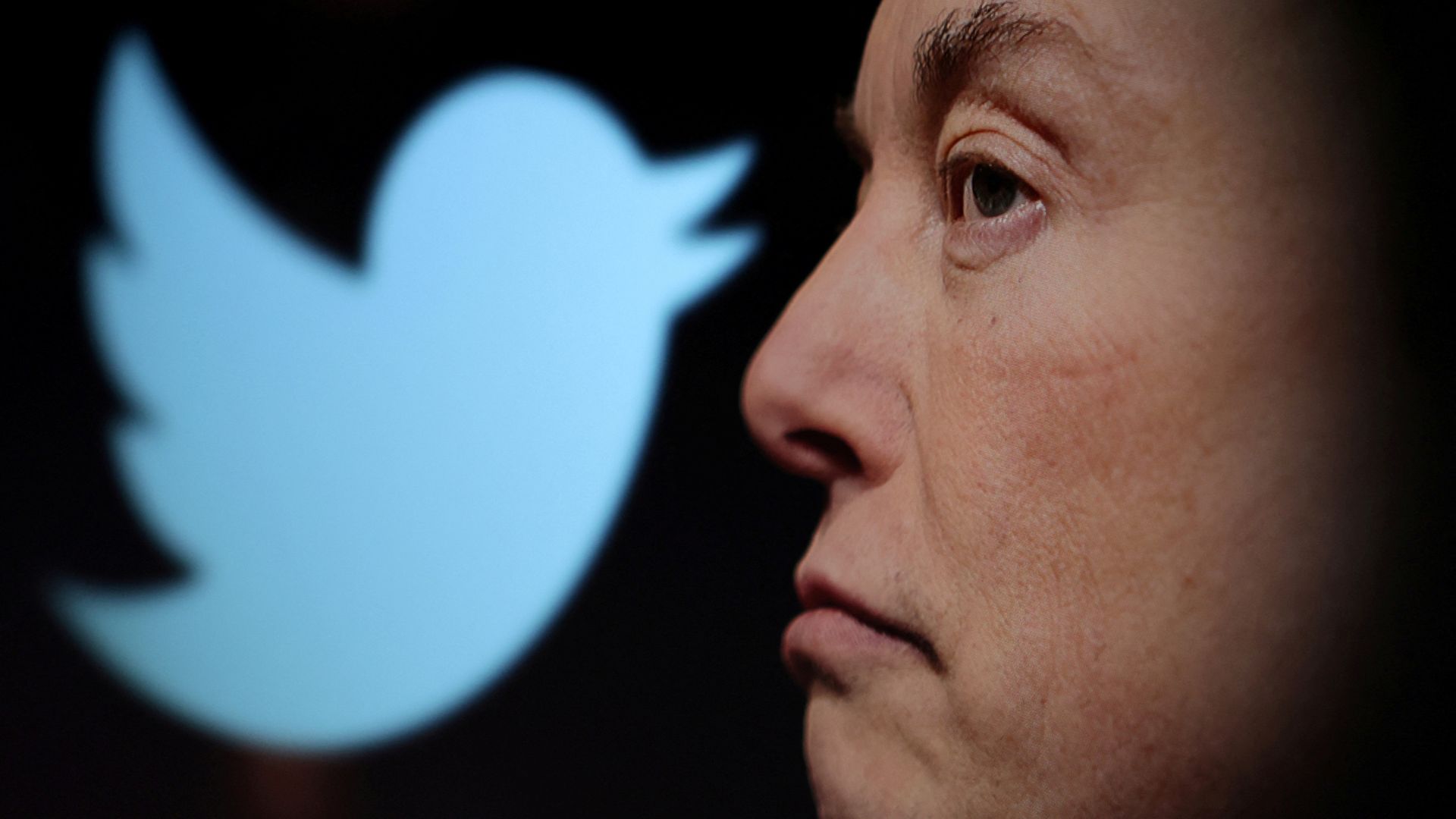
The legal system moves slowly, often trailing miles behind the speed of a fiber-optic cable. By the time this verdict arrived, the platform had already been transformed. The blue bird was gone, replaced by a black "X." Thousands of employees had been let go. The very nature of digital discourse had shifted.
Yet, the verdict matters because it establishes a baseline. It says that the "move fast and break things" ethos has an expiration date when it hits the walls of the US Treasury.
The jurors didn't just look at spreadsheets. They looked at the human impact of uncertainty. They saw the confusion of the markets and the vulnerability of people who took a billionaire at his word.
The "funding secured" saga was a fever dream for the financial world. It was a period where reality seemed optional, where a post could conjure billions out of thin air or vaporize them in an afternoon. But as the trial concluded, the fever broke.
What remains is a landscape where the stakes are finally clear. We are no longer just users of a platform; we are participants in a massive, real-time experiment in corporate governance. The experiment just hit a massive, legally binding speed bump.
The message from the jury box was loud, even if it was delivered in a whisper: The truth isn't something you can edit after you’ve already hit send.
A man stands on a balcony overlooking a city, his phone glowing in his hand, the light casting a long, distorted shadow against the glass behind him. He pauses, his thumb hovering over the screen, while below him, the world moves on, unaware that its trajectory is about to change with a single tap.