The steel hull of a Maersk tanker is a silent behemoth. When you stand on the deck of a vessel carrying two million barrels of crude, the world feels steady, immovable, and strangely quiet. But in the Strait of Hormuz, that silence is a lie. It is a thin veneer stretched over one of the most volatile pressure points on the planet. For the men and women working these ships, the "geopolitics" discussed in climate-controlled television studios in New York or London isn't a theory. It is the sudden, bone-shaking thump of a limpet mine or the roar of a fast-attack craft closing the distance.
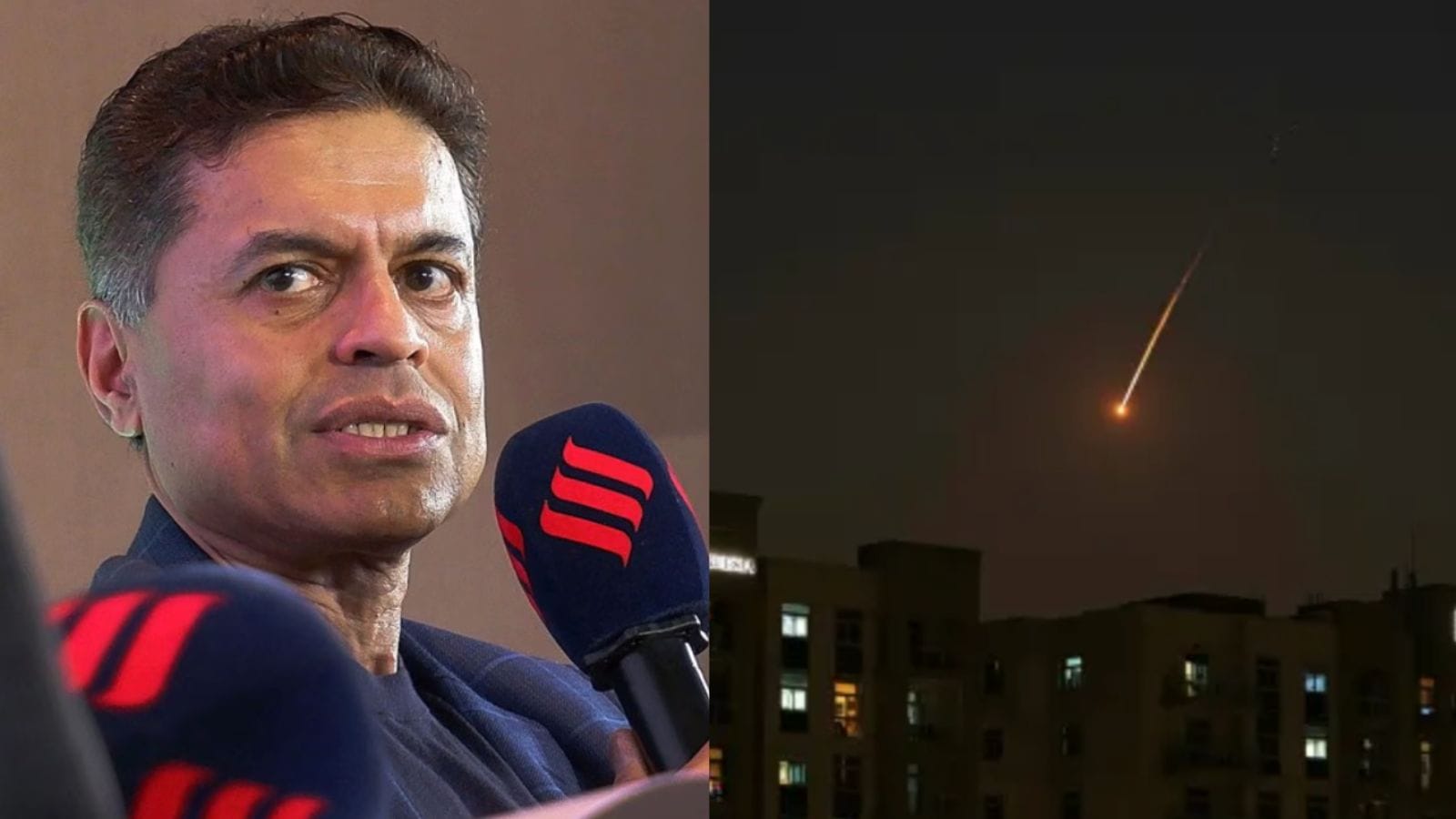
Fareed Zakaria recently looked at the chess board of the Middle East and called Iran’s latest strikes in the Gulf a "foolish mistake." It’s a clinical term. It suggests a grandmaster who moved his knight to the wrong square. But to understand why this move was more than just a tactical error—why it was a fundamental misreading of how the modern world actually functions—we have to look at what happens when the oil stops flowing and the trust evaporates.
The Illusion of Control
For decades, Tehran has viewed the Strait of Hormuz as a leash. They believe that by holding their hand over the throat of the global energy supply, they can dictate the terms of their own survival. It is an old-school logic. It belongs to an era of hard borders and physical blockades.
Think of a shopkeeper who thinks he can keep his customers loyal by locking the front door. For a few minutes, he has their attention. They might even pay a premium for the bread they have in their hands. But the moment they get out, they never come back. They find a different baker. They buy a toaster and make their own. They change their entire routine specifically to ensure they never have to step foot in that shop again.
Iran’s strikes were intended to signal strength to a domestic audience and resolve to an international one. Instead, they signaled unreliability. In a global economy built on the "just-in-time" delivery of resources, unreliability is the only unforgivable sin.
The Invisible Ledger
When a missile hits a target or a drone disrupts a shipping lane, the immediate damage is easy to calculate. You count the barrels lost. You look at the repair bill for the charred deck. But the real cost—the one that actually sinks economies—is written in the invisible ledger of risk.
Consider the insurance actuary sitting in an office in Zurich. They aren't looking at the ideology of the Islamic Revolutionary Guard Corps. They are looking at a spreadsheet. Before the strikes, the "war risk" premium for a tanker traversing the Gulf might have been a manageable line item. After the strikes, that number doesn't just go up; it spikes.
That spike ripples.
It hits the cost of gas at a pump in Ohio. It increases the price of plastic components for a medical device company in Seoul. It makes the "safe" route around the Cape of Good Hope—an extra ten days of sailing and thousands of tons of extra fuel—look like a bargain.
By pulling the trigger, Iran didn't just hurt its enemies. It forced the entire world to begin the expensive, permanent process of bypassing them. This is the "foolishness" Zakaria pointed toward. You cannot win a fight against a ghost, and the global market is a ghost that simply drifts away when things get too loud.
The Ghost of 1979
To understand the Iranian mindset, you have to realize they are still fighting the battles of the late twentieth century. They remember the power of the 1973 oil embargo. They remember the leverage they held when the world was desperate for every drop of Middle Eastern crude.
But the world has changed.
The United States, once the primary victim of Gulf instability, is now a net exporter of energy. Technology has democratized the ability to pull fuel from the ground. Solar, wind, and nuclear are no longer "alternative" dreams; they are the strategic fallback plans of every major superpower.
When Iran strikes a tanker today, they aren't holding the world hostage. They are simply providing a louder, more urgent marketing pitch for renewable energy and North American fracking. They are accelerating the very obsolescence they fear most. It is the ultimate irony of the "strongman" posture: the harder you squeeze the bird, the faster it dies in your hand.
A Masterclass in Misreading
Why do smart leaders make such disastrously bad calls? It often comes down to a lack of empathy—not the moral kind, but the intellectual kind. Iran’s leadership seems unable to empathize with the motivations of their trading partners. They assume that if they cause enough pain, the West will sue for peace.
They forget that the West’s primary religion isn't democracy or even capitalism—it’s stability.
If you threaten the stability of the system, the system does not negotiate. It reroutes. It adapts. It isolates the infection. By choosing kinetic action over diplomatic maneuvering, Tehran handed its detractors the perfect justification for further sanctions and deeper isolation. They took a situation where they had some degree of international sympathy regarding broken treaties and replaced it with grainy footage of burning ships.
Logic would suggest that if you are already under the weight of crushing sanctions, you should try to prove you are a responsible actor worth doing business with. Instead, the strikes were a tantrum. A scream in a room where everyone was already trying to leave.
The Human Cost of High Stakes
Away from the maps and the drone feeds, there is the human reality of these "foolish mistakes." There is a captain on a bridge who hasn't slept in thirty-six hours, scanning the horizon for a wake that shouldn't be there. There is a family in Tehran whose currency has just devalued another five percent because the latest round of "strength" actually made their country poorer and more lonely.
We often talk about these events as if they are inevitable cycles of history. They aren't. They are the result of specific people in specific rooms making specific choices.
The strikes weren't just a military failure; they were a failure of imagination. The Iranian leadership couldn't imagine a world where they didn't have to be the villain to be relevant. They couldn't imagine that true power in the twenty-first century doesn't come from the ability to destroy a ship, but from the ability to ensure that ship reaches its destination safely.
The Turning Tide
The water in the Strait is deep, blue, and deceptively calm. It carries the lifeblood of our modern existence. Every time a strike occurs, a few more companies decide that the risk isn't worth it. A few more countries accelerate their transition to different energy sources. A few more allies quiet their defense of the Iranian position.
The mistake wasn't just in the timing or the target. It was in the belief that the world still works the way it did forty years ago.
History is littered with the remains of regimes that thought they could bully the tide. They stand on the shore, shouting at the waves, convinced that their anger makes them powerful. Meanwhile, the rest of the world is busy building a bridge that goes right over their heads, leaving them shouting at an empty sea.
The greatest threat to a provocateur isn't a counter-attack. It is being ignored. By making themselves a predictable source of chaos, Iran is ensuring that the world’s only rational response is to find a way to live entirely without them. That isn't just a mistake. It is a slow, self-inflicted disappearance.


