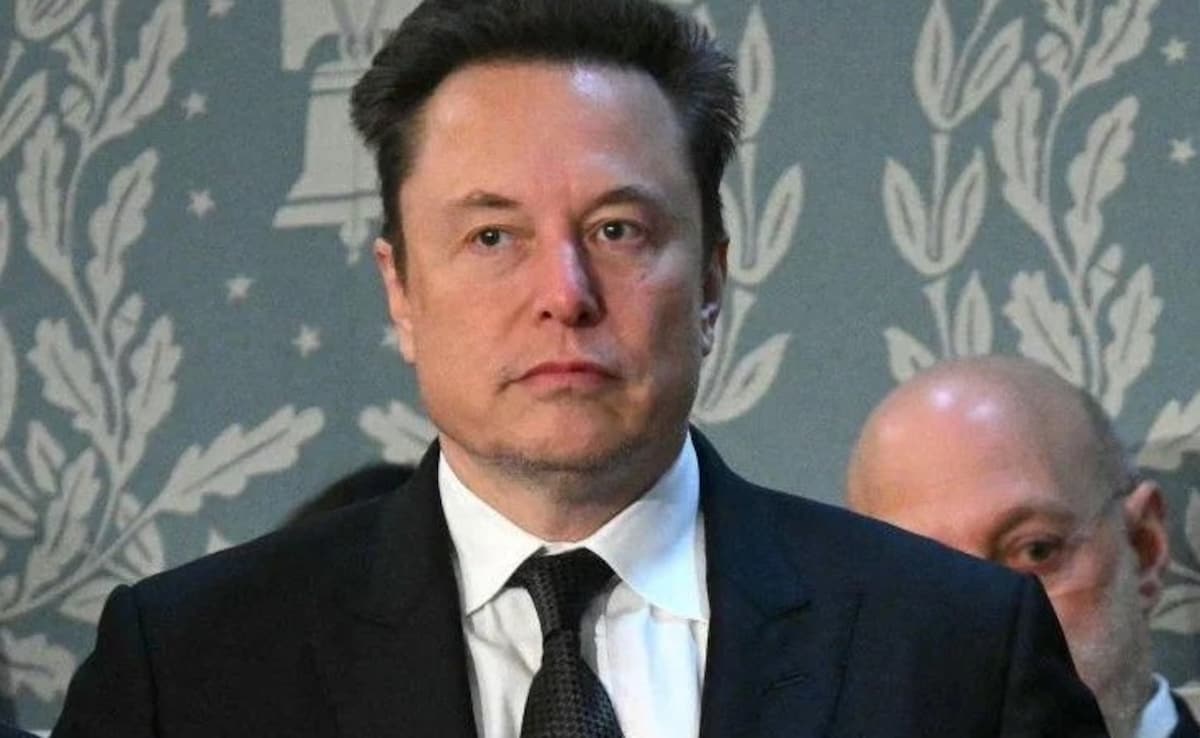
Elon Musk’s 2022 acquisition of Twitter was never just a business deal. It was a chaotic, high-stakes collision between Silicon Valley’s "move fast and break things" ethos and the rigid, unforgiving world of federal securities laws. While the public focused on the memes and the blue checks, a jury has now focused on a much more expensive reality. The verdict is clear. Musk misled investors during the crucial early weeks of his takeover bid, and that deception carried a multi-billion-dollar price tag for those who sold their shares while he stayed silent.
At the heart of the matter is the ten-day window that changed everything. Under SEC rules, any investor who acquires more than 5% of a company’s stock must disclose that position within ten days. Musk hit that threshold in March 2022 but waited until April 4 to tell the world. During that period of silence, he continued to sweep up shares at a "discounted" price—meaning a price unaffected by the massive rally his disclosure would inevitably trigger. The jury found that this wasn't an oversight. It was a calculated delay that saved Musk roughly $143 million while depriving selling shareholders of the gains they would have realized had the market known a whale was in the water.
The Strategy of Silence
To understand why this verdict matters, you have to look at the mechanics of the trade. In the world of high finance, information is the only currency that actually fluctuates in value. When Musk began accumulating Twitter shares, he did so through a series of discrete, aggressive buys. By the time he reached the 5% trigger point, he was already the most influential individual shareholder.
The law requires disclosure because it levels the playing field. If a billionaire is planning a hostile takeover or a massive stake-building exercise, the grandmother in Ohio selling her 100 shares of Twitter deserves to know that the demand for those shares is about to skyrocket. By blowing past the deadline, Musk effectively kept the "buy" signal hidden. He was trading on a secret that he was legally obligated to share.
Defense attorneys argued that Musk was "too busy" or that the filing was a technicality handled by subordinates. The jury didn't buy it. In the high-pressure environment of a $44 billion acquisition, technicalities are the guardrails of the entire global financial system. When those guardrails are ignored, the market stops being a marketplace and starts being a hunting ground.
Beyond the SEC Fine
While the SEC has its own enforcement mechanisms, this jury verdict represents a different kind of accountability. This was about the investors—the pension funds, the day traders, and the institutional firms—who were on the other side of Musk’s trades. They argued that his silence was a form of market manipulation.
Consider the math. Between March 24, when the disclosure was due, and April 4, when it was finally made, millions of Twitter shares changed hands. Every person who sold during that window did so at a price of around $39 per share. The moment the disclosure hit the tape, the price jumped to nearly $50. That $11-per-share gap is the "theft" the plaintiffs highlighted. It isn't just about the $143 million Musk saved; it's about the hundreds of millions of dollars in upside that vanished for everyone else.
This verdict challenges the "Teflon Elon" narrative. For years, Musk has treated regulatory filings as suggestions rather than mandates. From the "funding secured" tweet regarding Tesla to this Twitter saga, his relationship with the truth has been transactional. This time, the transaction cost him more than just a slap on the wrist.
The Impact on Corporate Governance
Wall Street thrives on predictability. If the wealthiest men in the world can ignore disclosure rules with impunity, the integrity of the stock exchange collapses. This case sets a precedent that "disruption" is not a legal defense for securities fraud. It signals to other activist investors that the ten-day rule is a hard line, not a flexible boundary.
We saw a similar pattern with the way the acquisition was finalized. Musk tried to walk away, citing bot counts and "spam" issues—arguments that legal experts almost universally viewed as a desperate attempt to renegotiate a deal during a market downturn. The Delaware Court of Chancery eventually forced his hand, proving that even the world’s richest man cannot tweet his way out of a merger agreement. The jury's recent decision on the 5% disclosure rule is the second half of that lesson.
The Mechanics of the Verdict
The jury had to decide if Musk acted with "scienter," a legal term for intent or knowledge of wrongdoing. To prove this, the plaintiffs didn't need a "smoking gun" email where Musk said, "I am going to break the law today." They simply had to show that a person of his sophistication and experience—backed by an army of the world’s most expensive lawyers—could not have reasonably missed a deadline that basic.
- The 5% Threshold: The point where an investor must declare their hand.
- The 10-Day Grace Period: A window meant for paperwork, not for continued secret accumulation.
- The Price Gap: The difference between the "pre-news" price and the "post-news" reality.
By finding him liable, the jury effectively ruled that the delay was a feature of the strategy, not a bug in the process.
A New Era of Accountability
This isn't just about Twitter, or X, as it is now known. It is about the future of how tech giants interact with public markets. We are entering a period where the "visionary" excuse is wearing thin. Shareholders are no longer willing to trade their legal protections for the promise of a trip to Mars or a self-driving taxi.
The financial damages in this case will be staggering. Beyond the initial judgment, this opens the door for a wave of follow-on litigation. Every institutional holder who offloaded Twitter stock in late March 2022 now has a court-validated reason to sue for their piece of the lost upside.
Musk’s defense relied heavily on the idea that his actions were for the "greater good" of the platform—that he needed to acquire it to "save free speech." But the law does not care about your mission statement if you pay for that mission with other people's money without their consent. In the eyes of the court, a billionaire's crusade is no excuse for a broken rule.
The Cost of the Disruption Playbook
For decades, the tech industry has operated on the assumption that it is better to ask for forgiveness than permission. This works when you are building a ride-sharing app or a social media algorithm. It does not work when you are dealing with the SEC.
The jury’s decision acts as a corrective measure against the cult of personality that has dominated the business world. It asserts that the rules of the road apply to everyone, regardless of their follower count or their net worth. The message to the next billionaire looking to "disrupt" a public company is loud and clear: disclosure is not optional.
If you want to play in the public markets, you play by the public's rules. If you don't, be prepared to write a check that covers every cent of the advantage you gained by cheating. The era of the "unregulated genius" is hitting a wall of legal reality, and that wall is made of twelve ordinary citizens in a jury box.
Check the date on your next 13D filing; the "oops" defense is officially dead.