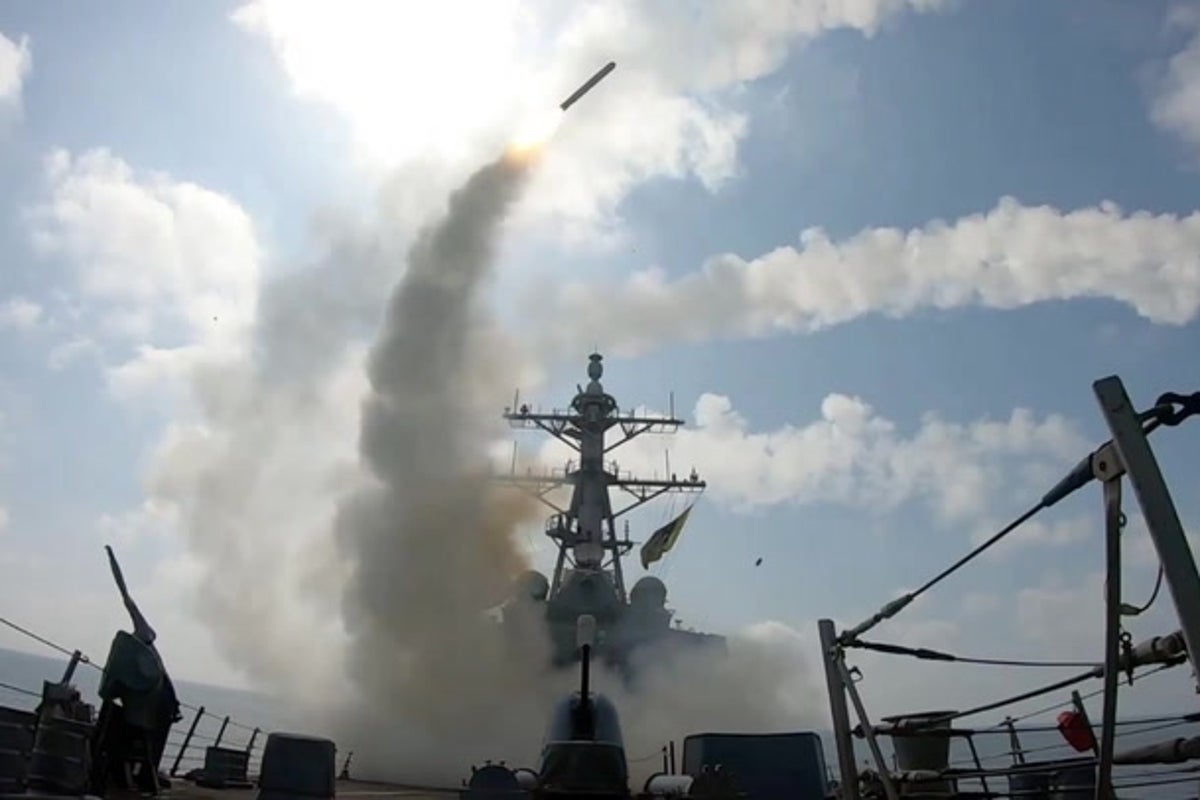
Military jets scream over the Middle East and within seconds, your phone pings with a price update. It isn't a news alert. It's a contract on a decentralized exchange shifting from $0.30 to $0.85. People are betting on the start of a world war in real-time. This is the reality of modern geopolitical forecasting. Following recent US airstrikes on targets in Iran, millions of dollars have flooded into prediction markets like Polymarket and Kalshi. It’s a grisly way to track the news, but it might be the most accurate "intelligence" we have.
The old way of understanding global risk involved waiting for a talking head on a cable news network to give you a sanitized version of events. Now, the collective intelligence of thousands of traders—incentivized by cold, hard cash—is providing a clearer picture than any op-ed ever could. If you want to know if an escalation is coming, don't look at the press releases. Look at the order books. You might also find this connected article useful: The Middle Power Myth and Why Mark Carney Is Chasing Ghosts in Asia.
The Brutal Efficiency of Betting on Bloodshed
Prediction markets work on a simple premise. If you’re right, you get paid. If you’re wrong, you lose your stake. This creates a ruthless environment where "expert" opinions don't matter unless they're backed by money. When the US launched strikes against Iranian-backed groups, the "Will the US go to war with Iran?" market on Polymarket saw a massive spike in volume.
This isn't just about gambling. It's about information. Traditional polling and expert analysis are often clouded by bias, political leanings, or the desire to stay on a guest list. A trader in Singapore or a hedge fund analyst in New York doesn't care about the optics. They care about the outcome. This financial incentive forces participants to seek out the most granular, raw data available—often sources that mainstream journalists haven't even found yet. As reported in recent coverage by CNBC, the implications are widespread.
How These Markets Actually Function
You buy "shares" in a specific outcome. Each share pays out $1.00 if the event happens and $0.00 if it doesn't. The current price of the share essentially reflects the market's perceived probability of that event occurring. If a "War by June" contract is trading at $0.22, the market thinks there's a 22% chance of conflict.
When news of the airstrikes broke, the volatility was extreme. Traders weren't just reacting to the strikes themselves; they were analyzing the specific language of the Pentagon's statement. They were looking for keywords that suggested a "one-and-done" operation versus a sustained campaign. Because the stakes are real, the level of scrutiny applied to every word is far higher than what you'll find in a standard newsroom.
Why the Get Rich Quick Narrative is Flawed
The headlines love to scream about "get-rich-quick" opportunities. They make it sound like everyday people are becoming millionaires by betting on bombs. That’s mostly nonsense. While some people do make significant money, these markets are increasingly dominated by professional risk managers and "whales" who use them to hedge other investments.
If you own a lot of oil futures, a war in the Middle East is going to send prices soaring. But what if you want to protect yourself against a sudden de-escalation that would cause oil to tank? You might bet "No" on a war contract. In this sense, prediction markets are becoming a sophisticated form of insurance for the global economy.
The Professionalization of Geopolitical Betting
We're seeing the rise of a new class of "superforecasters." These aren't necessarily Middle East scholars. They're data scientists and pattern recognizers. They use satellite imagery, flight tracking data, and even social media sentiment analysis to get an edge. They aren't looking for a quick score. They're looking for a 2% edge in probability that they can exploit over hundreds of trades.
The idea that this is "easy money" ignores the massive risks. Geopolitical events are "black swans" by nature. One rogue commander or one misinterpreted signal can flip a market from 90% to 0% in an instant. If you're playing with money you can't afford to lose, these markets will chew you up and spit you out faster than a Vegas slot machine.
The Ethical Quagmire of Profiting from Chaos
There's no getting around the "ick" factor. It feels inherently wrong to profit from a situation where people are dying. Critics argue that these markets incentivize bad actors or create a perverse interest in seeing conflict escalate. It’s a valid concern. If enough money is on the line, could someone try to influence the outcome?
However, proponents argue that the information provided by these markets is a public good. If a prediction market accurately signals an impending conflict, it gives businesses time to move employees out of harm's way and allows governments to prepare for economic shifts.
"Markets are amoral, not immoral. They reflect the world as it is, not as we wish it to be."
This quote, often tossed around in trading circles, hits the nail on the head. The markets don't cause the airstrikes. They just quantify the fallout. Whether we like it or not, the "wisdom of the crowd" is often more reliable than the wisdom of the elite.
Comparing Prediction Markets to Traditional Intelligence
Central Intelligence Agency (CIA) veterans have long experimented with internal prediction markets. They realized decades ago that analysts are often more honest when they have to bet on their "confidence levels." The difference now is that these markets are public and permissionless.
In a traditional setting, a low-level analyst might be afraid to contradict their boss. In a decentralized market, that same analyst can place a bet and let the price movement speak for them. The anonymity of blockchain-based markets further encourages this "radical honesty." It removes the social and professional consequences of being the "doomer" in the room.
The Role of Oil and Energy in the Betting Surge
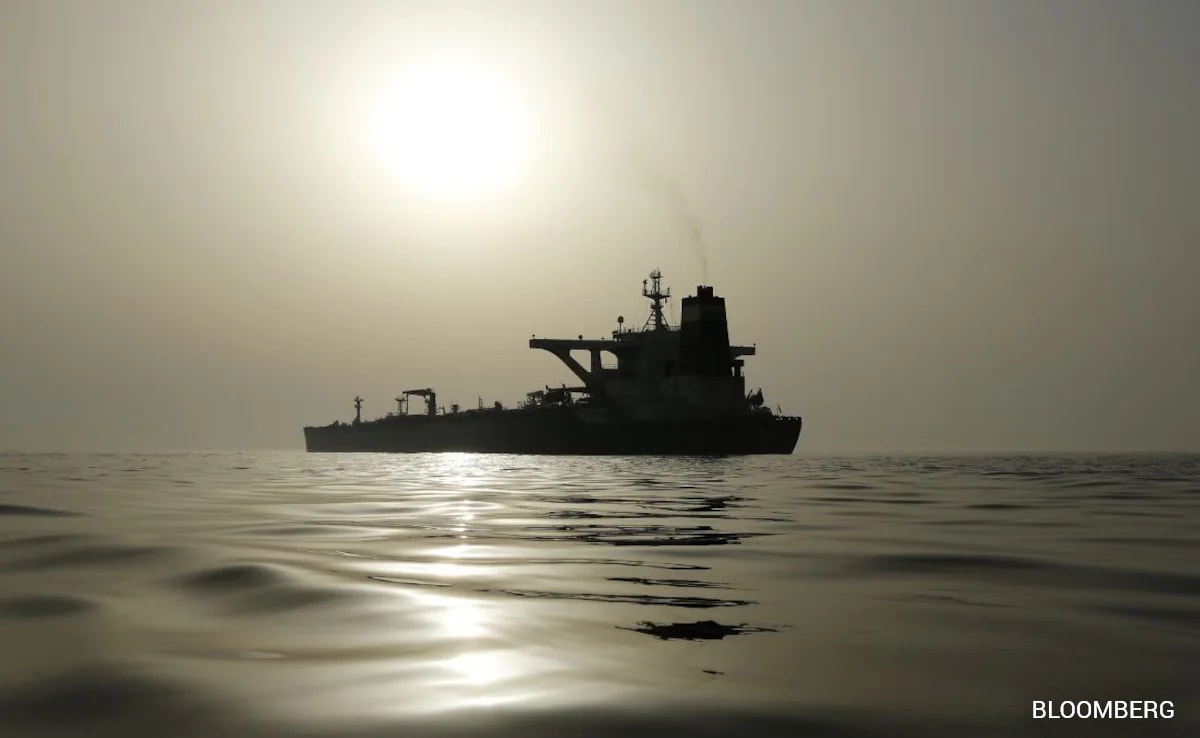
You can't talk about Iran and US strikes without talking about the price of a barrel. Much of the money flowing into these markets is coming from people who are trying to figure out the future of energy. Iran sits on a massive amount of the world’s proven oil reserves and controls the Strait of Hormuz.
A significant portion of the "millions of dollars" mentioned in recent reports isn't just speculative gambling; it's capital seeking a price discovery mechanism for energy stability. If the prediction market says there's a 40% chance of a blockade, shipping companies start rerouting vessels immediately. The market isn't just a scoreboard; it's a steering wheel for global logistics.
Specific Contracts to Watch
If you’re looking at these platforms, don't just look at the "War" headlines. Look at the nuanced contracts.
- "Will Iran shut the Strait of Hormuz before April?"
- "Will Brent Crude hit $100 before the end of Q2?"
- "Will the US Congress pass a formal declaration of war?"
These specific questions provide much more utility than a broad "Is world unrest bad?" sentiment. They force the market to define exactly what "unrest" looks like in measurable terms.
How to Use This Information Without Losing Your Shirt
If you're looking at these markets for the first time, don't start by placing bets. Start by observing the relationship between breaking news and price movement. You’ll notice that the market often "prices in" events long before they feel official.
The real value for most people isn't in the trading—it's in the signal. When you see a sudden, massive shift in a prediction market that isn't reflected in the news yet, it's time to pay attention. Something is happening behind the scenes.
Practical Steps for Monitoring Global Risk
- Follow the Volume: Total "Open Interest" is more important than the current price. It tells you how much "real" money is actually backing the current sentiment.
- Watch the Spreads: If the gap between the "Buy" and "Sell" price is wide, the market is uncertain or illiquid. Take those numbers with a grain of salt.
- Cross-Reference: Never rely on a single platform. Compare the odds on Polymarket (crypto-native) with Kalshi (regulated US market). If they disagree, there's an opportunity for deeper investigation.
- Ignore the Hype: Most "get-rich-quick" stories you hear are survivors' bias. For every person who turned $500 into $50,000 on a lucky geopolitical bet, a thousand others went to zero.
The surge in prediction market activity following the US-Iran tensions isn't a fluke. It's the beginning of a shift in how we process global information. We're moving away from a world of "trusted sources" and into a world of "verifiable incentives." It's messier, it's more controversial, and it's definitely more stressful. But it’s also a lot closer to the truth.
Keep your eyes on the order books, but keep your emotions out of the trade. The world is volatile enough without you adding your own personal panic to the mix. Watch the charts, verify the volume, and treat the "news" as a secondary indicator.