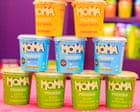
Moma just recalled a batch of porridge because of "possible presence of mice." The internet reacted with predictable, skin-deep revulsion. Consumers are tossing their oats. The press is busy copy-pasting the Food Standards Agency (FSA) notice. Everyone is treating this as an isolated hygiene failure—a "gross" mistake by a single brand.
They are all wrong.
The panic over a few contaminated bags of oats misses the systemic rot in how we think about "premium" food. If you think your favorite boutique breakfast brand is immune because they use minimalist packaging and talk about "artisan sourcing," you’ve bought into a marketing fairy tale.
The reality of global grain logistics is a gritty, high-volume war against biology. Mice aren't an anomaly in the grain trade; they are a constant. The real failure isn't that a rodent got near an oat; it's that the industrial safety nets we pay a premium for are thinner than the cardboard boxes your breakfast comes in.
The Myth of the Sterile Supply Chain
Most consumers imagine their food journey as a pristine line from a sunny field to a high-tech, stainless-steel laboratory. I have spent years inside food manufacturing facilities and distribution hubs. The truth is much dirtier.
Grains are stored in massive silos and moved through transit points that are essentially open invitations for pests. We are talking about hundreds of thousands of tonnes of dry, edible material. You cannot hermetically seal a global commodity market.
When a brand like Moma issues a recall, they aren't just admitting a localized failure. They are exposing the fact that the "last mile" of quality control is often the only thing standing between you and a pest infestation. Most of the time, the system works through sheer volume and aggressive filtration. Sometimes, the filtration fails.
Why Premium Brands Fall Harder
Moma positions itself as a step above the generic supermarket gruel. You pay more because you believe you are buying better quality, better ethics, and better safety.
But here is the industry secret: The more "specialized" or "artisan" a brand claims to be, the more fragmented and vulnerable its supply chain often becomes.
Big-box conglomerates like Quaker (PepsiCo) have the capital to own the entire vertical. They own the mills. They own the transport. They have a terrifyingly efficient, almost military-grade approach to pest management because a total brand collapse would cost billions.
Small-to-medium players often rely on co-packers and third-party fulfillment centers. When you outsource your manufacturing, you outsource your eyes. You are trusting a contractor whose primary incentive is margin, not your brand equity. If a co-packer has a rodent problem, every brand using that facility is compromised. Moma is just the one that got caught this time.
The False Security of the Recall System
We treat recalls like a sign that "the system is working."
"Look! They found the mice and told us. We are safe."
Wrong. A recall is a post-mortem. It is an admission that the preventative measures—the Hazard Analysis and Critical Control Point (HACCP) plans—have already failed. By the time a recall hits the news, the product has been sitting on shelves for weeks. It has been in your pantry. Your kids have probably eaten it.
The FSA doesn't catch these issues through magic sensors. They catch them because a consumer found a tail in their bowl or a warehouse manager saw a torn bag and finally decided to report it. If you think the "possible presence" mentioned in the news is the extent of the issue, you don't understand how statistical sampling works. If you find one, there are a thousand you didn't find.
The "Organic" and "Natural" Tax
There is a hilarious irony in the "clean eating" movement. The more "natural" we want our food to be, the more we strip away the chemical and industrial defenses that keep pests at bay.
I’ve seen "organic" facilities struggle significantly more with infestation than conventional ones. Why? Because the toolkit for fighting back is restricted. When you remove the heavy-duty pesticides and the synthetic coatings, you are effectively inviting the local rodent population to a buffet.
We want food that is "close to the earth," and then we act shocked when the earth follows the food into the box. You cannot have it both ways. If you want zero risk of biological contamination, you want highly processed, irradiated, chemically shielded food. If you want "farm-to-table" oats, you have to accept that the farm has mice.
Your Kitchen is the Real Risk
While everyone is busy dragging Moma on social media, they are ignoring the bag of flour that’s been open in the back of their cupboard for six months.
Statistically, you are far more likely to suffer from cross-contamination or pest issues originating in your own "last-inch" storage than from a manufacturing defect. But it’s easier to blame a corporation than to admit your pantry hygiene is subpar.
The industry uses a metric called the Defect Action Level. The FDA in the United States (and similar tacit understandings in the UK/EU) actually allows for a specific, non-zero amount of "natural or unavoidable defects" in food. This includes insect fragments and, yes, rodent hairs.
Standard $2$ of the US Food, Drug, and Cosmetic Act basically admits that total purity is a lie. For example, the limit for chocolate is an average of 60 insect fragments per 100 grams.
If you saw the "allowable" levels of filth in your daily diet, you wouldn't be worried about one Moma recall. You’d be worried about every single thing you put in your mouth.
The Cost of Transparency
Moma is actually being punished for doing the right thing.
There are plenty of brands that would see a "potential" issue and bury it. They would check the legal exposure, calculate the "kill rate" (the statistical likelihood of someone actually getting sick), and decide that a quiet "discontinuation" of a batch is cheaper than a public PR nightmare.
By being transparent, Moma has triggered a "lazy consensus" of fear. The public punishes honesty and rewards the silent, lucky players. This creates a perverse incentive for food companies to hide defects rather than report them.
Stop Asking if the Food is Safe
The question isn't "Is this porridge safe?"
The question is: "How much biological reality am I willing to tolerate for the sake of convenience?"
If you want absolute certainty, stop buying pre-mixed, processed porridges. Buy raw grains in bulk, wash them yourself, and cook them from scratch. But you won't do that. You want the convenience of the sachet and the "feel-good" branding of the artisan startup.
You are paying for an illusion of safety that no $£4$ box of cereal can actually provide.
The Moma recall isn't a freak accident. It is a glimpse behind the curtain of an overstretched, globalized food system that prioritizes "shelf-ready" aesthetics over the gritty reality of bulk agriculture.
Stop checking your porridge for mice and start checking your assumptions about how food actually gets to your plate.
Throw the box away if it makes you feel better. But don't think for a second that the brand you replace it with is playing by different rules. They just haven't been caught yet.
Get a glass jar. Seal your food. Stop trusting the cardboard.