Vladimir Putin is offering Europe a deal that sounds like a lifeline but functions more like a noose. By publicly suggesting that Russia stands ready to resume gas and oil flows through the remaining intact strands of the Nord Stream system and other transit routes, the Kremlin is not making a gesture of goodwill. It is executing a calculated stress test of Western political unity at a moment when industrial costs are crippling the Eurozone.
The offer relies on a simple, brutal reality. Europe’s transition away from Russian hydrocarbons has been expensive, chaotic, and incomplete. While storage levels are often cited as high, the cost of maintaining those levels with Liquefied Natural Gas (LNG) from the United States and Qatar has fundamentally altered the math of European manufacturing. Putin knows that every time he mentions "opening the tap," he triggers a debate in Berlin, Bratislava, and Budapest that threatens to crack the sanctions regime from the inside out.
The Nord Stream Remnants and the Pressure Point
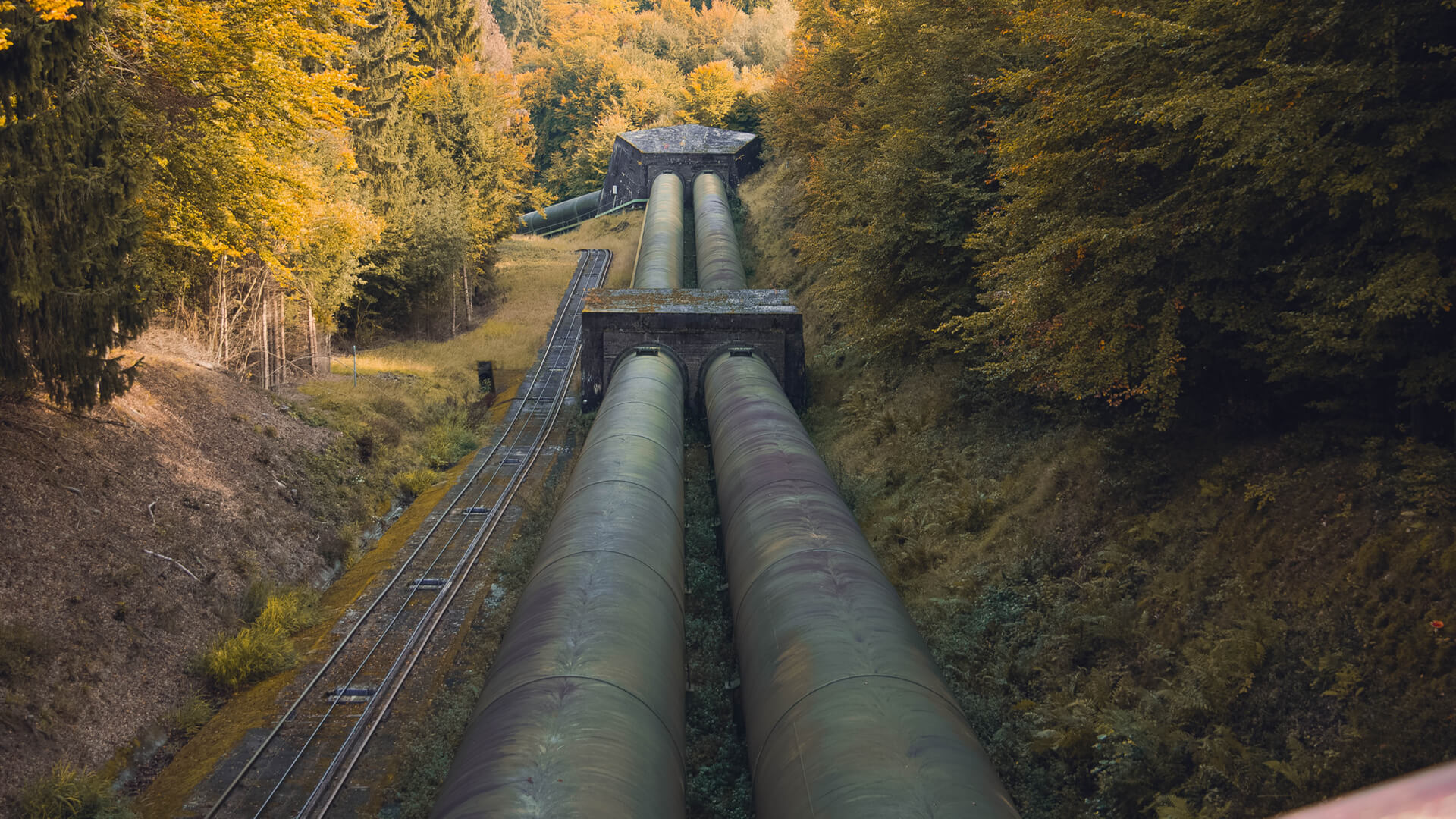
The sabotage of the Nord Stream pipelines in late 2022 was supposed to be the definitive end of the Russo-German energy era. However, one string of the Nord Stream 2 pipeline remains pressure-stable and technically functional. This is the "B" line, a ghost in the machine that Putin repeatedly points to as a ready-made solution for Europe’s shivering heavy industry.
When the Kremlin says the ball is in the European Union’s court, they are highlighting a legal and political paradox. Using that pipeline would require Germany to certify a project it officially froze days before the invasion of Ukraine. It would mean bypassing the very moral and economic barriers the EU spent years constructing. This isn't about physics; it’s about breaking the psychological resolve of the G7.
The pricing of energy is no longer dictated by simple supply and demand. It is a tool of irregular warfare. Russia’s strategy involves keeping the possibility of "cheap gas" hovering just out of reach, making the current high-cost environment feel like a choice made by European leaders rather than a necessity of war.
The Myth of the Clean Break
Brussels likes to talk about "decoupling," but the technical infrastructure of the continent tells a more complicated story. Central and Eastern Europe remain physically tethered to the Soviet-era Druzhba pipeline and Ukrainian transit routes. While countries like Poland have aggressively moved toward total independence, others remain in a state of quiet desperation.
The Problem with LNG Substitution
Moving from piped gas to LNG was a logistical miracle, but it came with a permanent "security premium."
- Regasification Limits: Building terminals takes years, not months.
- Price Volatility: Unlike long-term Gazprom contracts, LNG is sold on a global spot market. Europe must now outbid China and India for every shipment.
- Infrastructure Mismatch: The European grid was designed to move gas from East to West. Reversing that flow to move gas from Atlantic ports to the center of the continent creates massive bottlenecks.
These inefficiencies are precisely what the Kremlin’s "offer" targets. By reminding European CEOs that cheap, piped Siberian gas is only a political signature away, Moscow creates a lobby of internal dissent within the European business elite.
Economic Erosion in the German Heartland
Germany’s industrial model was built on a foundation of low-cost Russian energy. Without it, the "Made in Germany" label is under existential threat. We are seeing a slow-motion deindustrialization as chemical giants like BASF and automotive suppliers move production to regions with lower energy inputs, such as the U.S. Gulf Coast or China.
The Kremlin’s timing is surgical. By floating the possibility of renewed energy ties during periods of high inflation, they are speaking directly to the German voter. The message is clear: your hardship is self-inflicted by your government’s foreign policy. This narrative finds fertile ground in the political fringes, where the demand for "Nord Stream 2" has become a shorthand for domestic economic relief.
The Role of Intermediaries and Shadow Fleets
While the public debate focuses on pipelines, a massive "gray market" has emerged to keep Russian oil flowing into global markets, often ending up in European tanks under different labels. The price cap on Russian crude has been porous, at best.
Russia has assembled a "shadow fleet" of aging tankers that operate outside of Western insurance and shipping circles. These vessels frequently engage in ship-to-ship transfers in the Mediterranean or the Atlantic, blending Russian Urals with other crudes to bypass sanctions. This means that while Europe pays a premium to look virtuous, the underlying molecules are often the same ones they claim to have banned.
The Gas Transit Through Ukraine: A Bizarre Necessity
Perhaps the most surreal aspect of the current crisis is that Russian gas is still flowing through Ukraine even as the two nations are locked in total war. Ukraine receives transit fees from Gazprom, and Russia uses the revenue to fund its military. Both sides have, until recently, found this arrangement more useful than its termination.
However, the contract for this transit is nearing its end. Putin’s offer to supply Europe via other routes is an attempt to preempt the total shutdown of the Ukrainian corridor. He is looking for new entry points—be it through TurkStream or the remaining Nord Stream line—that bypass the war zone while maintaining the same level of leverage over the European energy mix.
The Strategic Failure of Short Termism
Europe’s mistake was not just relying on Russia, but failing to build a truly integrated energy market before the crisis hit. Even now, individual nations are cutting their own deals, creating a fragmented landscape where Hungary's energy reality looks nothing like Denmark’s.
The "offer" from Moscow isn't just about gas; it’s about the return of a sphere of influence. If a major European power accepts these terms, the collective bargaining power of the EU evaporates. The Kremlin isn't looking for a partner; it is looking for a client state.
Total energy independence is a fantasy in a globalized world, but the current vulnerability is a choice. The real cost of Russian gas was never the price per cubic meter; it was the political debt that came due in February 2022. Anyone advocating for a return to the old ways is ignoring the fact that the "cheap" gas was actually a down payment on the current instability.
Breaking the Cycle of Dependence
To truly counter the Kremlin’s energy gambit, Europe must look past the immediate winter and toward a permanent structural shift. This involves more than just building wind turbines; it requires a massive expansion of the internal grid to allow energy to move freely across borders, breaking the regional monopolies that Russia has exploited for decades.
The current energy prices are not a temporary spike; they are the new baseline for a continent that no longer has access to subsidized autocratic resources. Accepting Putin's offer would provide a momentary dip in costs at the expense of long-term sovereignty. The transition is painful because it is a reckoning with thirty years of strategic negligence.
Leaders in Berlin and Paris must decide if they are willing to pay the price of autonomy or if they will succumb to the temptation of a quick fix that leaves them permanently beholden to a neighbor that uses heat as a weapon. There is no middle ground. The pipelines are more than steel and gas; they are the tethers of an old world order that the Kremlin is desperate to resurrect.
The only way to win the energy war is to stop playing the game on Moscow's terms. This means treating the current "offer" as what it is: a tactical distraction designed to stall the inevitable move toward a decentralized, resilient European energy future.
Stop looking at the pressure gauges on Nord Stream and start looking at the integration of the Iberian Peninsula’s LNG capacity with the rest of the continent.