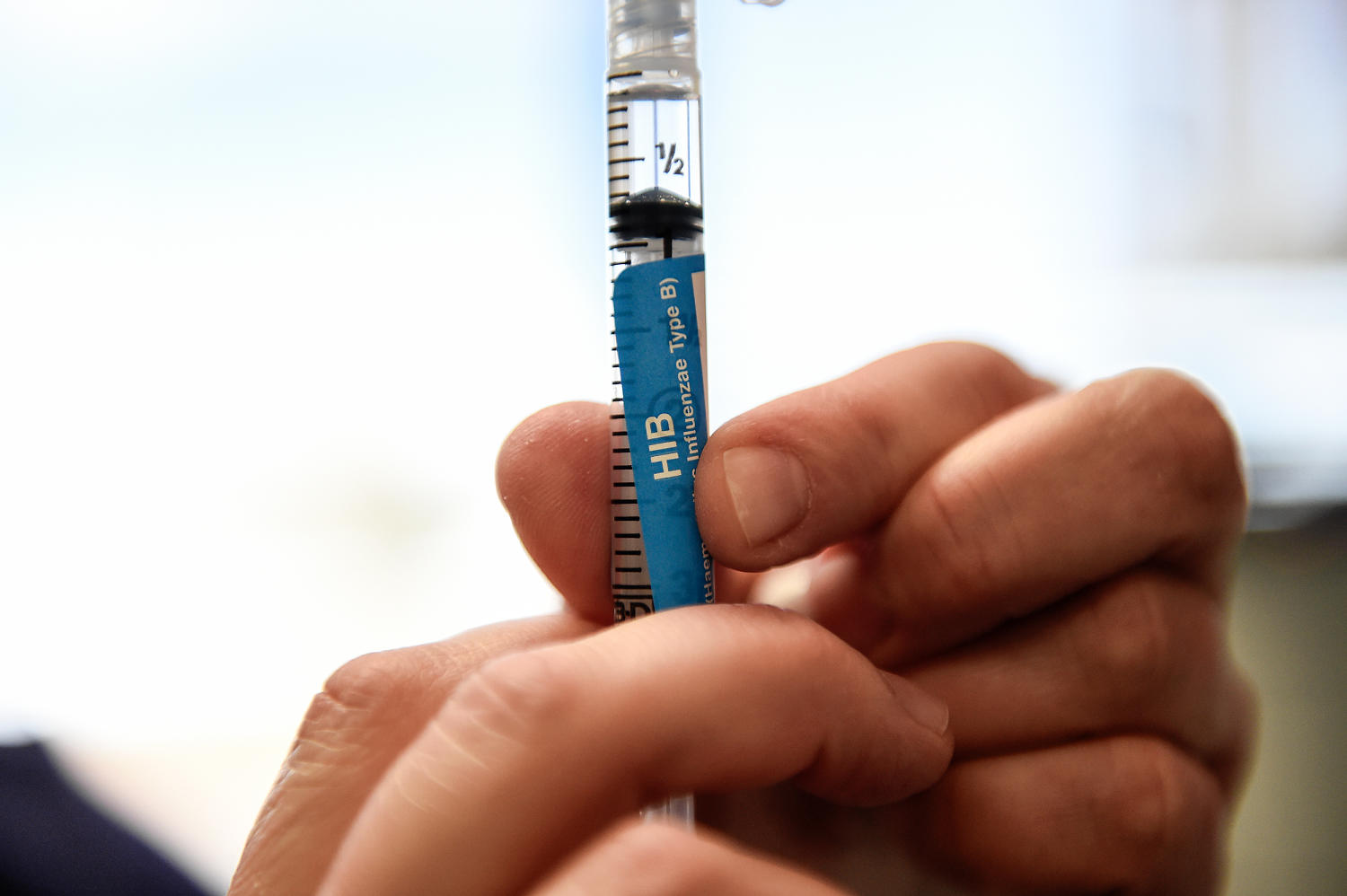
Whooping cough is back and it’s hitting harder than anyone expected. You might think of it as a relic from the Victorian era, something kids used to get before modern medicine fixed everything. But the data from early 2026 tells a different story. In several states, cases have tripled compared to last year. We're seeing a massive resurgence of Bordetella pertussis, the bacterium behind the "100-day cough," and it’s happening because our collective immunity is full of holes.
The reality is simple. Vaccination rates for routine childhood shots have dipped below the 95% threshold required for herd immunity in dozens of school districts. When that shield breaks, the bacteria don't just sit there. They spread. They find the infant too young to be vaccinated. They find the senior whose booster expired ten years ago. It’s a public health failure that feels entirely avoidable, yet here we are. Meanwhile, you can explore other developments here: The Estrogen Patch Shortage is a Manufactured Crisis of Medical Timidity.
Why the 100 Day Cough is different this time
If you’ve never heard a child with whooping cough, you’re lucky. It’s a violent, rhythmic spasm that forces all the air out of the lungs. The "whoop" is the sound of the patient desperately gasping for air through a swollen, constricted airway. It's exhausting. It’s terrifying. And for infants, it’s often fatal.
We aren't just dealing with a lack of vaccines. We're dealing with the limitations of the ones we have. Back in the 1990s, the US switched from the "whole-cell" vaccine to the "acellular" (DTaP) version. The old one was tough. It caused fevers and sore arms, and parents hated it. The new one is much "cleaner" and has fewer side effects, but it doesn't last nearly as long. To see the full picture, we recommend the detailed article by WebMD.
I’ve talked to doctors who see this every day. They'll tell you that the acellular vaccine's protection starts to wane significantly after just three to five years. This creates a "gap" in middle schoolers and teens who haven't had their Tdap booster yet. Combine that waning immunity with a growing movement of vaccine hesitancy, and you’ve created the perfect environment for an outbreak.
The numbers that should worry you
The Centers for Disease Control and Prevention (CDC) monitors these trends closely. In 2024 and 2025, the spikes were regional. Now, they're national.
- 95%: The percentage of a population that needs to be vaccinated to prevent a pertussis outbreak.
- 80%: The actual rate in some high-risk counties in 2026.
- 10 weeks: The age when many infants are most vulnerable before they've completed their initial shot series.
Most people think if they got their shots as a kid, they’re set for life. Wrong. You need a booster every ten years. If you’re around a newborn, you need it even sooner. Most adults don't even know what a Tdap is, let alone when they last had one. That ignorance is exactly what the bacteria thrives on. It hitches a ride in an adult’s "annoying tickle" of a cough and ends up in a nursery.
Misconceptions about who gets sick
A common mistake is thinking whooping cough only affects "anti-vax" communities. While those clusters are often the sparks that start the fire, the fire spreads to everyone. You can be a responsible parent who followed the schedule to a T, but if your neighbor didn't, your child is at higher risk. Vaccines are a team sport.
Another big one? Thinking antibiotics will "cure" it instantly. Antibiotics like azithromycin can stop you from spreading the bacteria to others, but they usually won't stop the cough once it has started. By the time the symptoms are obvious, the bacteria have already damaged the cilia—the tiny hairs in your throat. You just have to wait for them to grow back. That’s why it lasts for months. There's no fast track to recovery.
The role of the pregnant mother
One of the most effective tools we have is maternal vaccination. When a woman gets the Tdap vaccine during her third trimester, she passes those antibodies directly to the fetus. This provides a "biological bridge" of protection for the baby's first few months of life.
Data from the New England Journal of Medicine shows this is incredibly effective, yet uptake remains sluggish in many rural areas. It's a communication breakdown. We're failing to explain that the shot isn't just for the mom; it’s a temporary shield for a child who hasn't even taken their first breath yet.
What happens when the healthcare system stalls
When cases surge, the system gets taxed. Labs get backed up. PCR tests for pertussis aren't always part of a standard respiratory panel at your local urgent care. I’ve seen cases where a kid is misdiagnosed with bronchitis or "just a virus" for three weeks before anyone thinks to test for pertussis.
By then, the kid has been to school, soccer practice, and Grandma’s birthday party. The lag in diagnosis is a huge driver of these "comeback" numbers. We need faster testing and a higher index of suspicion from clinicians. If a cough is coming in fits and ending in a gag or a whoop, it’s pertussis until proven otherwise.
How to actually protect your family
Stop waiting for a school mandate to tell you what to do. The state of public health in 2026 is fractured, and you have to be your own advocate.
- Check your records. If you haven't had a Tdap booster in the last decade, go get one. It’s available at basically every pharmacy.
- Cocoon the babies. If there is a newborn in the family, don't let anyone near them who hasn't been boosted. It sounds harsh, but it’s better than an ICU visit.
- Watch the cough. A "normal" cold doesn't usually feature coughing so hard you vomit. That’s a hallmark of pertussis (post-tussive emesis). If you see that, get tested immediately.
- Support school requirements. These rules exist for a reason. When we allow exemptions for anything other than legitimate medical needs, we're inviting these old-school killers back into our classrooms.
This isn't a "wait and see" situation. The bacteria is already circulating in the community. If we don't fix the vaccination gap now, we're going to see a return to the mortality rates of the early 20th century. Don't let your family be the lesson the rest of the neighborhood learns from. Go check your immunization status today and make sure your kids are caught up on their boosters.