The headlines are screaming about "detailed preparations" for U.S. boots on the ground in Iran, and honestly, it’s about time we looked past the shock value to see what’s actually happening in the Pentagon’s war rooms. For weeks, the narrative has been dominated by Operation Epic Fury—a campaign defined by high-tech airstrikes and standoff weapons like the new Precision Strike Missile (PrSM). But the shift toward ground force planning marks a massive change in the temperature of this conflict.
You’ve likely heard President Trump say he isn’t "planning" to send troops anywhere. In the same breath, he told reporters that if he were, he wouldn't tell them anyway. That’s the classic strategic ambiguity we’ve come to expect. However, behind the scenes, the military isn't just "considering" options; they’re moving assets and filing specific requests that suggest the window for a purely aerial war is closing. Discover more on a connected subject: this related article.
What Detailed Prep Actually Looks Like
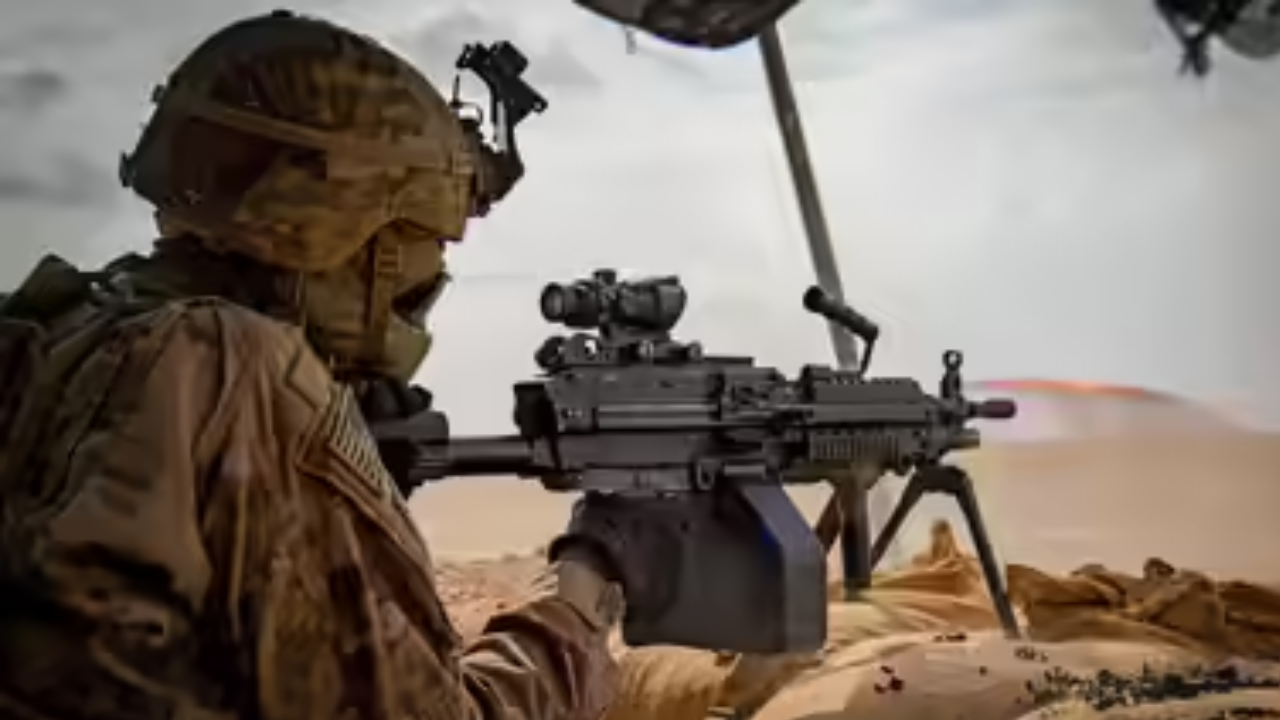
When military sources leak that the Pentagon has made "detailed preparations," they aren't talking about a broad "what if" scenario. They’re talking about logistics—the boring, gritty stuff that actually wins or loses wars. This includes the move of the 82nd Airborne Division and thousands of Marines from the 31st Marine Expeditionary Unit (MEU) toward the region.
Reports indicate that senior commanders have submitted requests for how to handle the detention of Iranian soldiers and paramilitary operatives. You don't ask for a detention plan unless you expect to have physical custody of the enemy. This isn't just about blowing up a missile silo from an F-35; it's about the messy reality of holding territory or seizing high-value targets. Additional reporting by Al Jazeera delves into similar views on this issue.
The Specific Missions Being Weighed
Don't expect a 2003-style march on Tehran with 150,000 troops. Nobody at the Pentagon wants that kind of quagmire. Instead, the "options" being put on the President’s desk are surgical but high-stakes:
- Seizing Kharg Island: This is Iran’s economic jugular, handling about 90% of its oil exports. If the U.S. wants to force a total economic collapse or leverage a ceasefire, taking this island is the quickest way to do it.
- Securing Nuclear Stockpiles: There’s deep concern about Iran’s enriched uranium. Air strikes can bury a facility, but only ground teams—specifically Special Operations Forces—can actually secure or remove the material to ensure it doesn't end up in the wrong hands during a regime collapse.
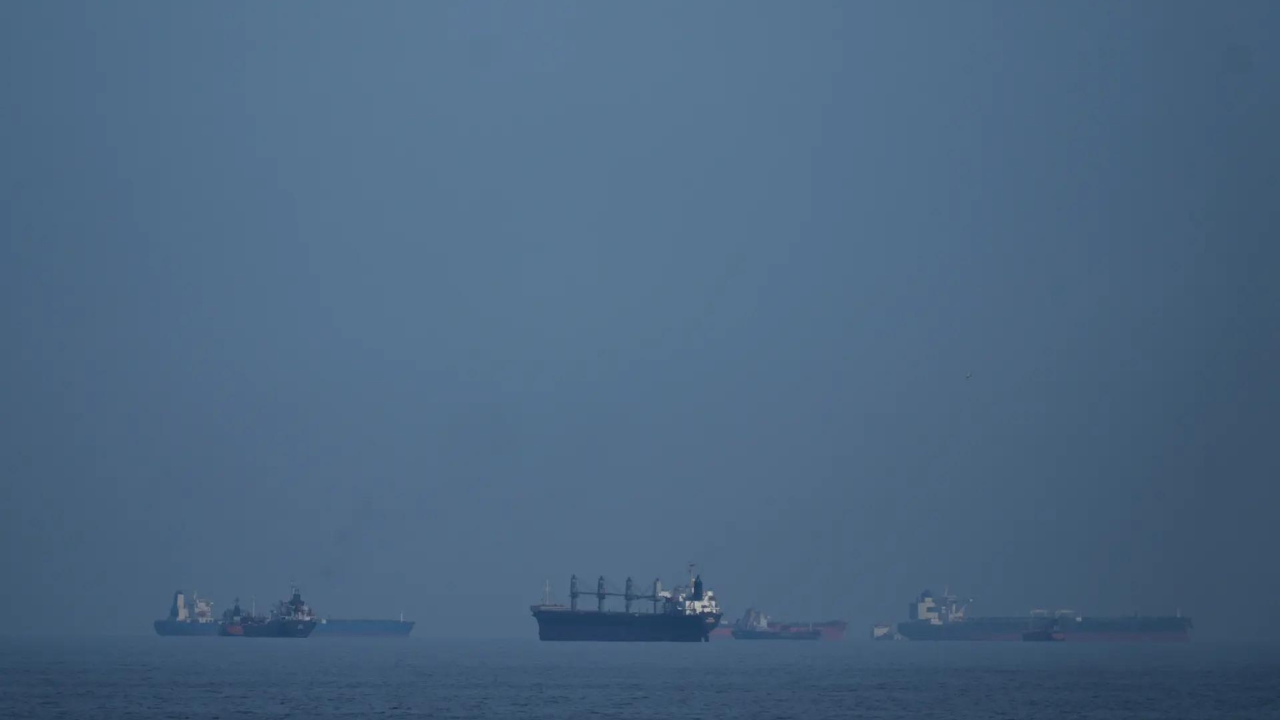
- Clearing the Strait of Hormuz: With 20% of the world’s oil stuck behind an Iranian blockade, the U.S. might use ground forces to seize coastal missile batteries or small islands that are being used to harass commercial shipping.
The $200 Billion Question
Secretary of War Pete Hegseth recently went to Congress asking for an initial $200 billion for the Iran campaign. To put that in perspective, that’s four times what was initially appropriated for the Iraq invasion in 2003. You don't ask for that kind of cash just to fly sorties and drop JDAMs.
That money is for "what we may have to do in the future," which is a thinly veiled reference to the staggering cost of sustaining ground operations. Ground troops require a massive "tail" of support—medevac, food, fuel, and ammunition—that drones and stealth bombers just don't need.
Risks the Pentagon is Silently Worried About
While the public sees a dominant U.S. military, planners are reportedly terrified of "magazine depth." We’re burning through interceptors and precision missiles at an unsustainable rate. If the U.S. commits ground forces, those troops become targets for Iran’s remaining ballistic missile stockpile and "suicide" drone swarms.
Former CENTCOM commanders like Joseph Votel have pointed out that even a "limited" mission like seizing Kharg Island puts Americans in a confined space where they are sitting ducks for Iranian rocket fire. It’s a high-reward, extreme-risk move that could easily spiral into the very "long war" the administration says it wants to avoid.
The Human Toll and Regional Fallout
We already know the cost of the first three weeks of Operation Epic Fury. Over 13 U.S. service members are dead, and hundreds have been wounded. On the Iranian side, the numbers are in the thousands. Adding ground troops to this equation doesn't just increase the casualty count; it changes the political nature of the war. An air strike is an attack; an occupation is an invitation for a decades-long insurgency.
Moving Beyond the Airstrike Phase
If you’re watching the news, look for the arrival of more "Amphibious Ready Groups" and the movement of heavy armor toward Kuwait or the UAE. Those are the real tells. The Pentagon is giving the Commander-in-Chief "maximum optionality," but once those gears start turning, it’s hard to stop the momentum toward a ground presence.
Keep an eye on the following indicators over the next 48 hours:
- Official Navy movements: Look for the USS Boxer and its associated Marine units entering the North Arabian Sea.
- Congressional briefings: Watch for updates on that $200 billion funding request; if it passes quickly, the ground phase is likely imminent.
- Strait of Hormuz status: Any failed attempt to reopened the strait via naval escort alone will almost certainly trigger the Kharg Island ground plan.
The situation is fluid, and the "detailed prep" mentioned in recent reports isn't just paperwork—it’s the precursor to a potential new chapter in Middle Eastern history.