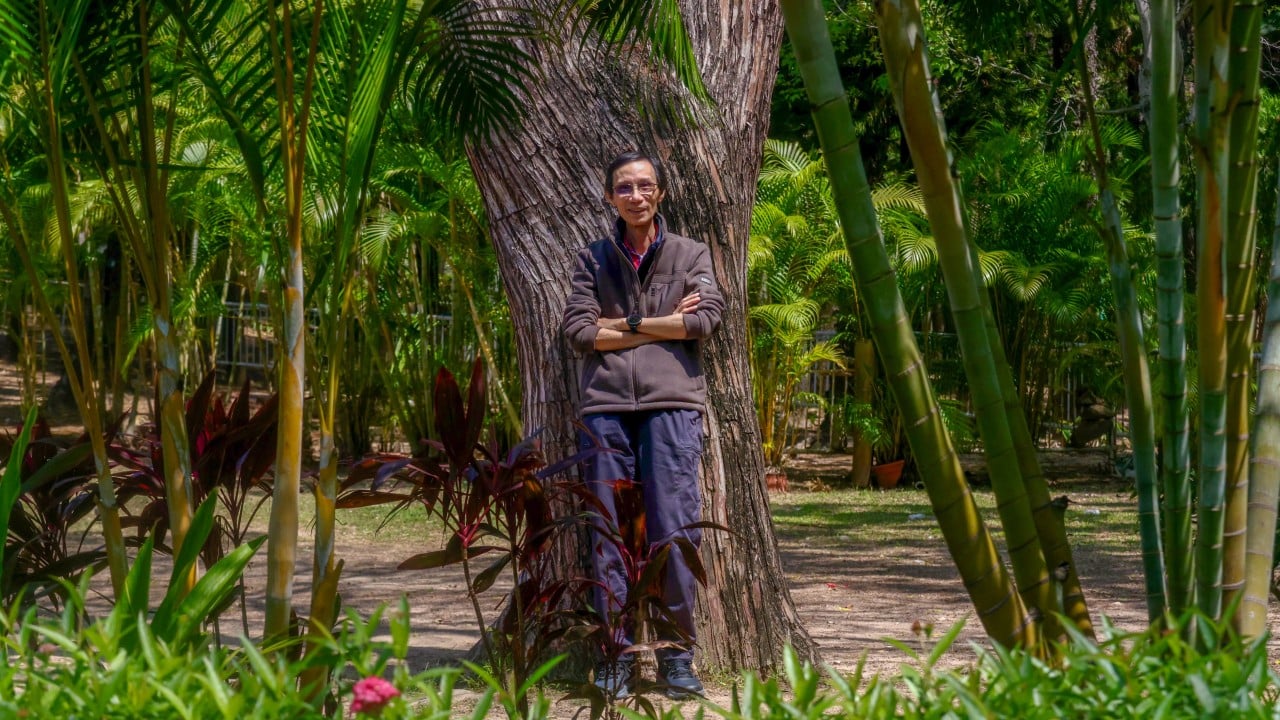
Evan Kail sat in his small shop in Minnesota, surrounded by the ghosts of other people’s lives. As a dealer of historical artifacts, he was used to the musty scent of old paper and the cold weight of forgotten medals. But when he opened the brown leather album brought in by a customer, the air in the room seemed to vanish.
Inside were photographs that didn't just document history; they screamed it.
These weren't the staged, propaganda-heavy images often found in textbooks. They were raw, black-and-white windows into the 1937 Nanjing Massacre. They showed the kind of brutality that usually stays buried in mass graves or the nightmares of survivors. For decades, these photos had sat in a private collection, a silent witness to one of the darkest chapters of the 20th century. When Kail posted a TikTok about the album, he wasn't looking for a political firestorm. He was looking for the truth.
He found it, but it came with a weight he hadn't anticipated.
A Digital Spark in a Sea of Silence
The internet is usually a place of fleeting trends, but some things are too heavy to float away. Kail’s video went viral across the globe, eventually reaching the screens of millions in China. For many there, the "Rape of Nanjing" is not a distant historical footnote; it is a national scar that has never quite healed. Seeing a young American pawnshop owner holding what appeared to be new evidence of the atrocity felt like a bridge being built across an ocean of cultural misunderstanding.
Kail faced a choice. He could have sold the album to the highest private bidder. He could have let it disappear into another dark drawer, a trophy for a wealthy collector. Instead, he felt a visceral responsibility to the people whose ancestors were captured in those grainy frames.
He chose to give them back.
In late 2022, Kail donated the album to the Chinese Consulate in Chicago. It was a gesture of pure historical preservation. He didn't ask for a check. He didn't ask for fame. He simply wanted the photos to go where they could be studied, archived, and remembered.
The Invitation to a New Life
History has a way of rewarding those who protect it. Recently, the narrative took a turn that sounds more like a screenplay than a news report. The Chinese government, moved by Kail’s "selfless act," extended an offer that few Westerners ever receive. They didn't just send a thank-you note. They offered him a "national gift"—the opportunity to settle in China, backed by the kind of state support usually reserved for high-level diplomats or cultural icons.
Imagine standing in a snowy Midwestern parking lot and being told that a nation of 1.4 billion people wants to provide you with a home, a career, and a legacy on the other side of the planet.
This wasn't just about the photos anymore. It was about the symbolism of the act. In a world defined by rising tensions and "us versus them" rhetoric, Kail became a living example of how a single person’s integrity can cut through geopolitical noise. The offer to settle him in China is a calculated but deeply emotional response to a man who saw human suffering where others saw a profit margin.
The Invisible Stakes of Provenance
When we talk about historical artifacts, we often focus on the "what." What is it made of? What year was it produced? But the real power lies in the "why."
Why did an American soldier or traveler take these photos in 1937? Why did they keep them? Why did their family finally decide to let them go? For Kail, the experience was an education in the weight of provenance. He wasn't just handling paper and silver halide. He was handling the collective trauma of a nation.
Consider the hypothetical situation of a descendant in Nanjing today. They grew up hearing stories of a grandfather who disappeared during the invasion, or a grandmother who hid in the International Safety Zone. To them, these photos aren't "content." They are the only surviving evidence of a world that was violently erased. When Kail returned the album, he wasn't just returning an object; he was returning a piece of their identity.
Beyond the Headlines
The move to China is a massive leap. It’s a transition from the individualistic, fast-paced world of American retail to a culture deeply rooted in collective memory and state-sanctioned honor. The "national gift" includes more than just a roof over his head. It represents a total integration into a society that now views him as a guardian of their history.
But there is a lingering question that haunts the edges of this story: what does it cost to become a symbol?
Kail is no longer just a guy with a pawnshop. He is a focal point for international relations. His every move will be scrutinized by both his home country and his adopted one. He has stepped out of the private sphere and into the monumental architecture of history. It is a lonely place to be, even when you are surrounded by a billion people cheering for you.
The Weight of the Lens
The photographs themselves remain the most potent part of this journey. They remind us that history is not a straight line. It is a messy, blood-stained circle that repeats whenever we forget the faces of the victims.
Kail’s decision to move, to accept the invitation of a foreign power based on a shared respect for the past, challenges our modern understanding of loyalty. Is he a defector? A hero? Or simply a man who followed a story until it led him to a new life?
In the quiet moments before he boards a plane, one can picture him looking at his own hands—the hands that held the album, the hands that turned the pages, the hands that now hold a one-way ticket to a destiny he never sought.
The pawnshop is empty now. The ghosts have been moved to a museum. The man who found them is chasing the sun toward the East, leaving behind the familiar for a world that promised him one thing the Midwest never could: the chance to live inside the history he spent his life trying to save.
He is no longer just a dealer of artifacts. He has become one.
The shutter clicks. The frame freezes. And the long walk toward a different sun begins.