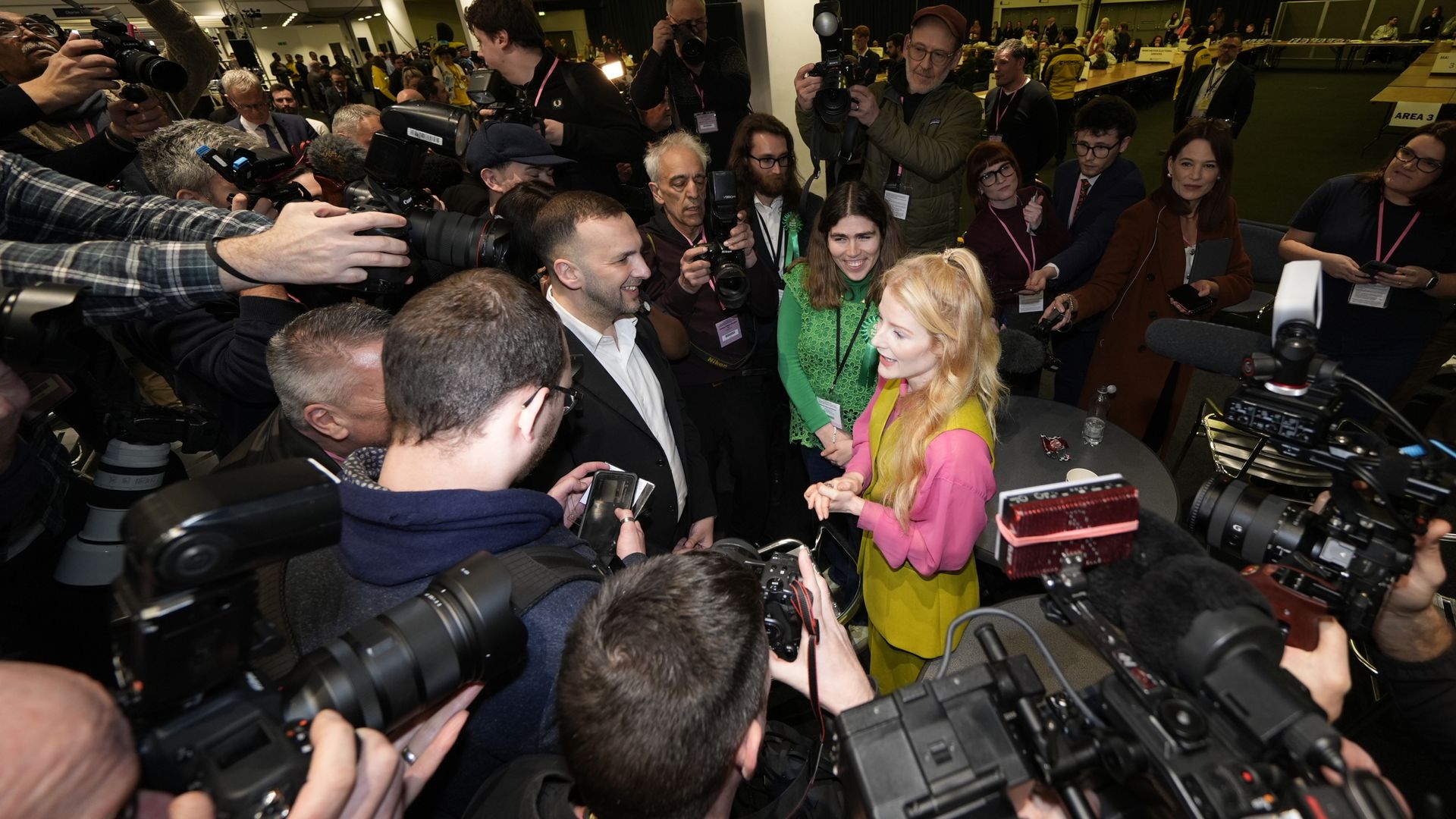
The dust is finally settling on a night that shifted the tectonic plates of the political world. If you thought this was just another routine shuffle of seats and generic speeches, you weren't paying attention. What we just witnessed wasn't a mere swing in the polls; it was a total demolition of the old guard. Most pundits spent months predicting a tight race, but the reality on the ground told a different story. People are tired. They’re frustrated with the status quo. And they just used their ballots as a sledgehammer.
This election result will be studied for decades because it broke almost every "rule" in the modern political playbook. The traditional power centers didn't just lose; they evaporated in regions they’ve held for generations. You can't look at these numbers and see anything other than a mandate for radical, systemic change. It’s loud. It’s clear. And it’s going to make the next few years incredibly unpredictable.
Why the Old Polling Models Failed So Badly
Every major network had their fancy graphics ready to show a "neck-and-neck" battle. They were wrong. The reason is simple: polling models still rely on historical turnout patterns that don't exist anymore. We saw a surge in first-time voters and disillusioned "lost" voters who haven't shown up since the early 2000s. When these groups move in unison, they don't just tip the scales—they break them.
Data from the Electoral Commission and independent exit polls suggests that the "silent middle" isn't silent anymore. They’re angry about the cost of living, the crumbling infrastructure, and a perceived lack of accountability in high office. While the big parties were busy arguing over minute policy tweaks, the voters were waiting to deliver a massive, unignorable message.
The Death of the Safe Seat
One of the most shocking outcomes was the total collapse of the "safe seat." These are the constituencies that haven't changed hands in fifty or sixty years. The places where you could stick a red or blue ribbon on a cat and it would still get elected. Not anymore. These seats are gone. In their place, we see a patchwork of new, more diverse representation that reflects a much more complicated national mood.
The idea that any party can simply "own" a region forever has been proven false. This is a massive win for democracy, honestly. It means every single representative will have to work for every single vote from here on out. No more coasting. No more taking people for granted.
Economic Anxiety Was the Real Kingmaker
You can talk about culture wars and social media all day, but this was an election about the wallet. Pure and simple. People aren't just feeling a "bit of a squeeze"—they're drowning. Inflation might be cooling on paper, but at the grocery store and the gas station, things are still painful. Every voter who walked into a polling station was thinking about their rent, their mortgage, and whether they can afford to keep the lights on this winter.
The parties that ignored this, or tried to gaslight people by saying "the economy is actually doing great," were punished. The voters aren't stupid. They know when their bank accounts are empty. This is why we saw such a massive swing toward candidates who promised real, tangible relief instead of abstract economic theories.
Looking at the Hard Numbers
- Swing Percentages: We saw double-digit swings in areas that were previously considered "fortresses."
- Youth Turnout: Preliminary data suggests a 15% increase in voters under 30.
- Third-Party Surge: Candidates outside the big two took more of the popular vote than at any point in the last century.
These aren't just statistics; they're an indictment of the status quo. If the winning coalition doesn't deliver on their promises, and deliver fast, they'll find themselves on the wrong end of these numbers in the very next cycle. The patience for "long-term plans" has officially run out.
A Massive Reset for the Mainstream Parties
The fallout within the major parties is going to be brutal. Expect internal civil wars, leadership challenges, and a total rethink of what it means to be a "major" party in the late 2020s. The traditional machines are broken. They’re too slow, too disconnected, and way too obsessed with their own internal drama.
While they’re busy fighting among themselves, the world is moving on. The climate is changing, technology is evolving faster than laws can keep up, and the global political order is shiftier than it's been in decades. The parties that survive this will be the ones that can actually listen to what people are saying, rather than telling them what they should think.
What Happens Monday Morning
The first few days of this new parliamentary session will be a circus. We're going to see a lot of fresh faces who have never held office before. This is a good thing. It brings new perspectives and a much-needed injection of "real-world" experience into a system that has become dangerously insular.
But don't expect miracles. The problems facing the country are massive and deeply rooted. No single election result can fix thirty years of underinvestment and policy failures overnight. What this result does do is provide a clean slate and a clear direction. It’s up to the new crowd to actually follow through.
The Lessons for Future Candidates
If you want to win an election in this new environment, the old rules are a liability. You can't just rely on your party's brand or a big bank of donor money. You need to be authentic. You need to be present. And most importantly, you need to actually care about the issues that affect people's daily lives.
Voters have a much higher "BS detector" than they used to. They can smell a canned response or a rehearsed soundbite from a mile away. The candidates who won this time around were the ones who spoke like human beings. They didn't use jargon. They didn't dodge questions. They just told people what they were going to do and why.
- Stop Using Consultants: The voters can tell when a tweet was written by a 22-year-old PR intern.
- Get Out of the Bubble: If you spend all your time in the capital, you have no idea what's happening in the rest of the country.
- Be Specific: "Better futures" and "stronger together" are meaningless slogans. People want to know exactly how much their taxes will be and how long they'll wait for a doctor.
This is a new era of accountability. The people have spoken, and they've done it with a volume that can't be turned down. It's an exciting, terrifying, and absolutely necessary moment for the nation.
To understand the full impact of these changes, start by looking at your local council and see how the power balance has shifted there. Local government is often the first place these big national trends actually manifest. Reach out to your new representative. Tell them what you expect. Hold them to the promises they made on the campaign trail. This is your chance to be part of the change you just voted for. Don't waste it.