The British public is terrified of a ghost. Recent headlines scream about a "citizen army" and "conscription" as if we are still living in 1944, waiting for a telegram to arrive at the door. Former commanders are making the rounds on news circuits, warning that the UK isn't ready for a total war. They are right about the unreadiness, but they are catastrophically wrong about the remedy.
We are witnessing the death rattle of 20th-century military thinking. The "lazy consensus" suggests that a lack of boots on the ground is our primary vulnerability. It isn't. Our vulnerability is a romantic attachment to the idea that numbers win wars.
The Myth of the Human Shield
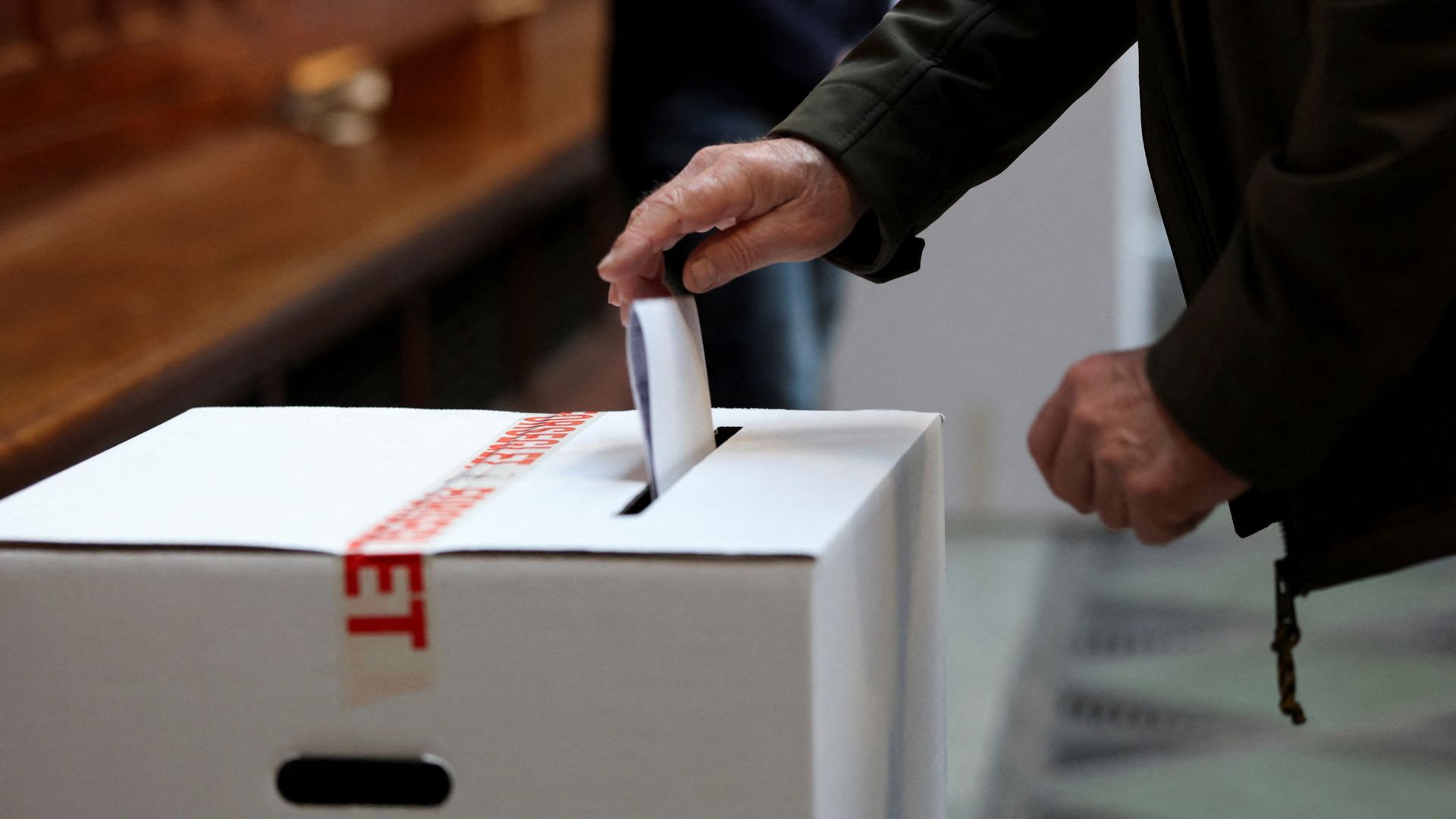
The fear gripping the UK—the idea that our youth will be snatched from their desks to hold a rifle in a muddy trench—is an outdated fantasy. In a modern peer-to-peer conflict, an untrained citizen army is just a logistical nightmare and a massive liability.
Modern warfare is no longer a game of attrition played with human lives; it is a game of technical superiority and systems integration. If you haven't spent years mastering the sensor-to-shooter loop or understanding the nuances of electronic warfare, you are not a soldier. You are a target.
The "General's message" to the public usually centers on resilience. They want a population that can "dig in." I've seen defense departments waste billions trying to maintain the optics of a massive standing force while their actual cyber infrastructure remains held together by digital duct tape.
If a major power decides to strike London, they aren't sending paratroopers first. They are turning off the electricity, freezing the banking system, and crashing the logistics of every supermarket chain in the country via a remote server. You can’t bayonet a blackout.
Stop Preparing for the Last War
Every time a former commander talks about "national mobilization," they are subconsciously trying to recreate the Blitz. It’s a comforting, nostalgic form of trauma. It suggests that if we just have enough "British pluck" and a few hundred thousand conscripts, we can hold the line.
Here is the cold, hard reality:
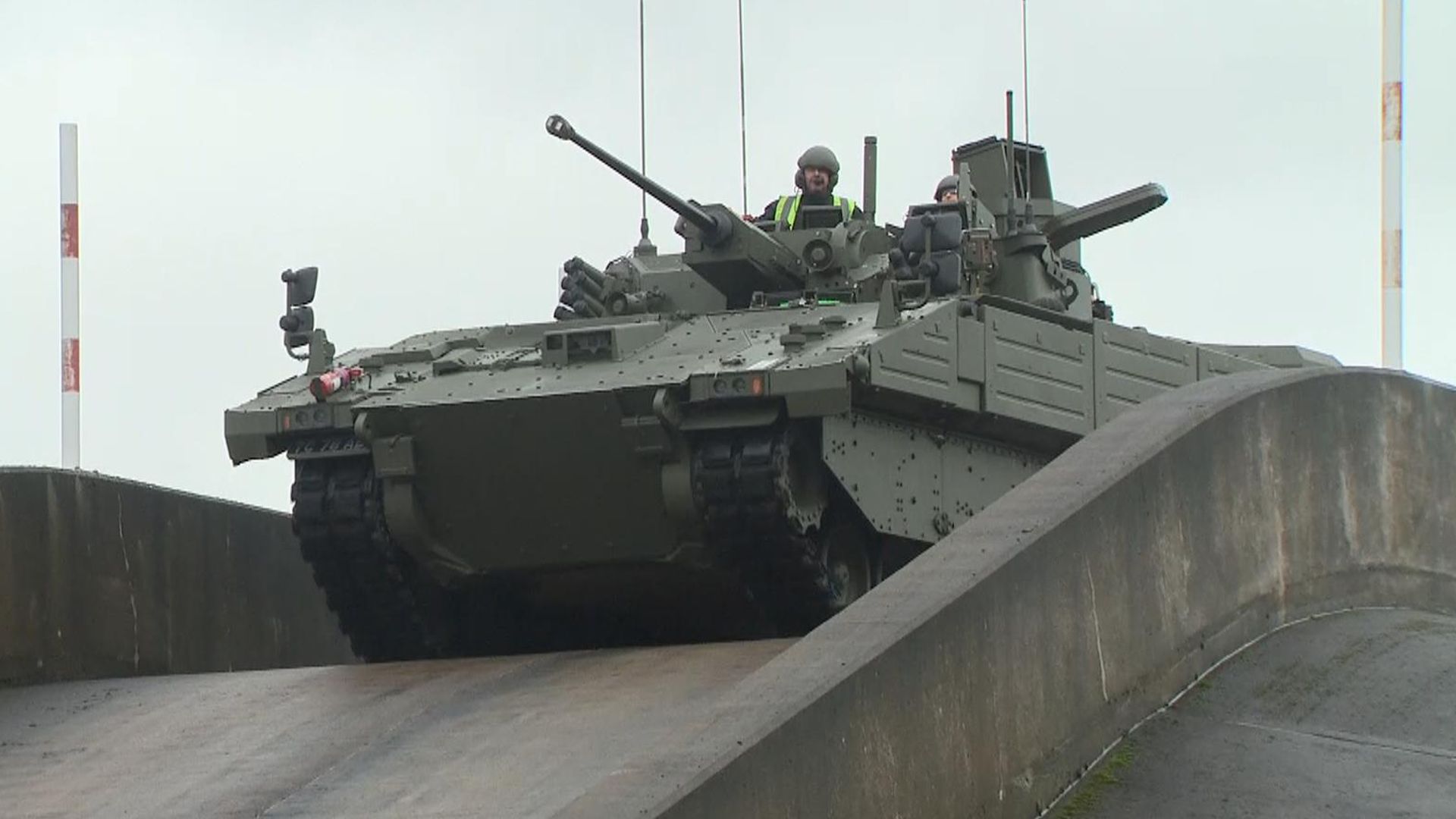
- A tank is a coffin without active protection systems and a suite of drones providing 360-degree situational awareness.
- An infantryman is a liability if they can't manage the data load of a networked battlefield.
- Conscription is a drain, not a boost. It pulls the most productive members of the economy into a training cycle for a type of warfare that likely won't exist by the time they finish their basic drills.
The focus on "citizen armies" is a distraction from the fact that our actual military hardware is aging and our procurement processes are a shambles. We are arguing over who will drive the trucks when we should be worried that we don't have enough missiles to last a week in a high-intensity conflict.
The Competency Gap Nobody Mentions
The public's fear of war is based on the assumption that war looks like Saving Private Ryan. It doesn't. It looks like a teenager in a shipping container in Nevada—or more likely, an autonomous algorithm—deciding that a heat signature in a forest matches the profile of a mobile command unit.
When we talk about "readiness," we shouldn't be talking about fitness tests. We should be talking about:
- Software Sovereignty: Can we code our own way out of a localized GPS jam?
- Energy Independence: Does our defense rely on a global supply chain that disappears the second a Strait is closed?
- Industrial Scalability: Can we 3D print 10,000 loitering munitions in a month?
Currently, the answer to all of these is a resounding no. Yet, the media focuses on the "emotional state" of the public regarding conscription. It's theater. It's a way to avoid the much more expensive and difficult conversation about the total failure of Western industrial policy.
The Civilian's True Role
People ask: "What can I do if war breaks out?"
The honest answer? Stop being a digital liability.
The next war will be won or lost in the "gray zone" before a single shot is fired. If you want to talk about national service, talk about national cyber hygiene. A population that is easily manipulated by deepfakes and bot-driven disinformation is more dangerous to national security than a population that can't do twenty push-ups.
We have fetishized the physical aspect of war because it's easy to visualize. It’s much harder to visualize the slow, grinding collapse of a society whose communications networks have been systematically compromised over a decade.
The Cost of the Wrong Focus
I've consulted on enough "readiness drills" to know that the biggest hurdle isn't a lack of manpower. It’s the ego of the hierarchy. High-ranking officials hate the idea that a $5,000 drone can take out a $10 million tank. It breaks the prestige of the old guard.
By stoking fears of conscription, the establishment shifts the burden of failure onto the public. If the war goes badly, they can say, "The public wasn't ready," rather than admitting, "We spent twenty years buying the wrong equipment for the wrong century."
You Are Asking the Wrong Question
The question isn't "Will I be drafted?"
The question is "Why is my tax money being spent on a military structure that requires a draft to function?"
A truly modern, lethal, and deterrent force doesn't need to kidnap its biology students and baristas to stand in a line. It uses precision, automation, and speed to ensure that no enemy ever thinks a line is worth crossing.
If we are at the point where we are seriously discussing "mobilizing the masses," we have already lost. The deterrent has failed. The technology has failed. The leadership has failed.
The Harsh Truth About "Resilience"
True resilience isn't found in a camouflage uniform. It’s found in a decentralized power grid. It’s found in local food production. It’s found in a citizenry that understands how to verify information.
The fear being peddled right now is a commodity. It sells newspapers and it justifies bloated, outdated defense budgets. Don't buy into the panic of the ex-commanders. They are looking at the world through a rearview mirror, terrified because they don't recognize the road ahead.
If you want to be ready for the future of conflict, put down the vintage recruitment posters and start demanding a military that understands code is as lethal as cordite.
The era of the "citizen army" ended the moment the first autonomous drone took flight. You aren't being called to the front because the front is everywhere, and your only weapon is your ability to see through the noise.
Stop worrying about the draft. Start worrying about the fact that your government is preparing for a war that ended in 1945.
Demand a defense strategy that actually defends.
Would you like me to analyze the specific technological deficits in current UK defense procurement that make the "conscription" debate a moot point?