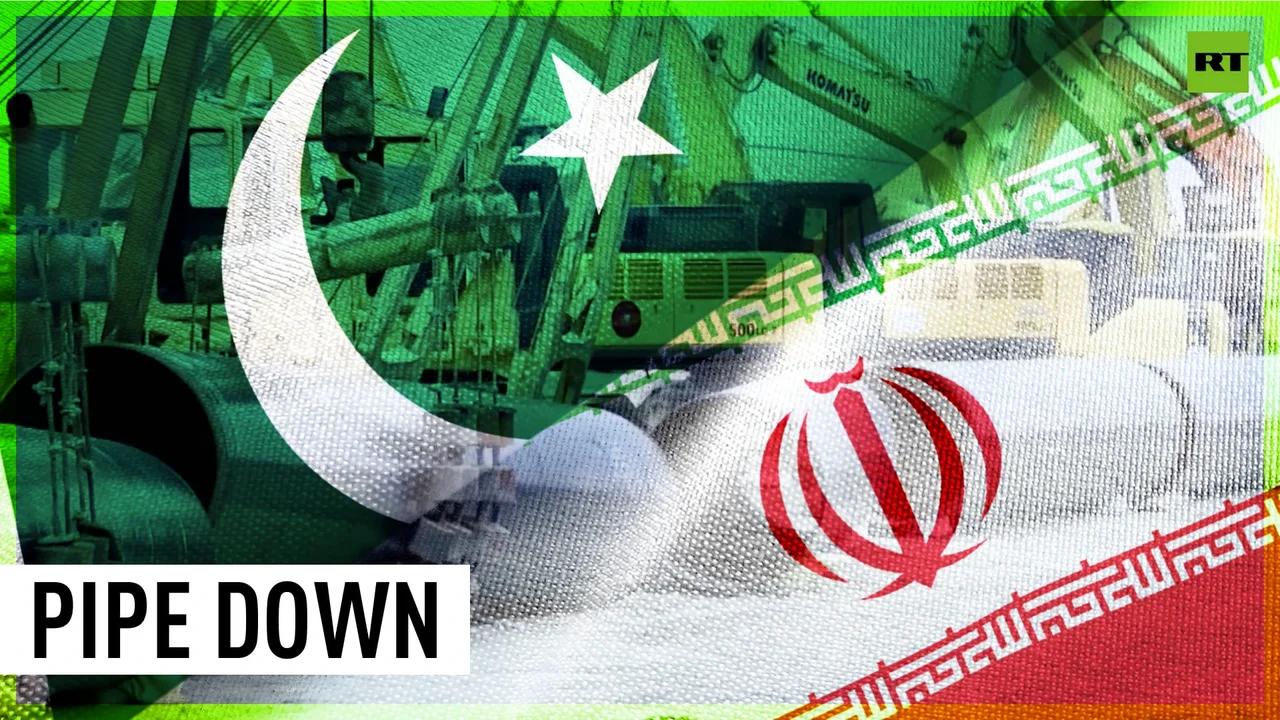
The high-stakes backchannel between Washington and Tehran has found an unlikely staging ground in Islamabad. Foreign Minister Ishaq Dar recently confirmed that Pakistan has facilitated the exchange of a comprehensive 15-point de-escalation plan from the United States to the Iranian leadership. This is not merely another diplomatic "check-in." It is a calculated attempt to prevent a regional wildfire in West Asia from consuming global energy markets and shattering the fragile stability of the maritime corridors. By using Pakistan as a postbox, the Biden administration is signaling that traditional European intermediaries have lost their edge, or perhaps their neutrality, in the eyes of a hardened Iranian regime.
The Architecture of a 15-Point Gamble
The contents of this 15-point roadmap remain officially classified, but the structural reality of the region dictates its pillars. For the United States, the primary objective is containment. For Iran, it is the removal of the economic noose and the preservation of its regional deterrents. To understand why this plan exists, one must look at the timing. The U.S. is navigating an election cycle where a direct kinetic conflict with Iran would be catastrophic for domestic fuel prices and political optics.
Military analysts suggest the plan likely hinges on a "quiet for quiet" arrangement. This involves a staged reduction in attacks by Iranian-aligned groups in Iraq and Syria in exchange for specific, albeit limited, relief from banking restrictions that currently paralyze the Iranian rial. The nuance here is the role of Pakistan. Islamabad is currently desperate for Chinese investment and Saudi financial support. By acting as the bridge, Pakistan secures its own relevance in a neighborhood where it often feels squeezed between the Taliban’s chaos to the west and India’s rising influence to the east.
Why Brussels Failed and Islamabad Stepped In
Historically, the Swiss or the Omanis handled these delicate hand-offs. However, the shift to Pakistan represents a pivot toward "realist" diplomacy. Pakistan shares a 900-kilometer border with Iran. They share concerns over the Islamic State-Khorasan (IS-K) and separatist movements in Balochistan. The U.S. understands that a message delivered by a neighbor with shared security anxieties carries more weight than one delivered by a distant European bureaucrat.
There is also the matter of the China-Pakistan Economic Corridor (CPEC). China has a $400 billion, 25-year strategic agreement with Iran. By involving Pakistan, the U.S. is indirectly tapping into a network where Chinese interests might actually align with American ones for once: neither superpower wants the Persian Gulf to turn into a no-go zone for tankers.
The Nuclear Elephant in the Room
The 15 points almost certainly address the uranium enrichment levels at Fordow and Natanz. Since the collapse of the 2015 nuclear deal, Iran has pushed its enrichment levels to 60%, a hair’s breadth from weapons-grade. The U.S. blueprint likely demands a freeze on this enrichment in exchange for the release of frozen assets in South Korea or Qatar.
It is a cynical trade.
Money for time.
The U.S. buys time until after its elections; Iran buys money to keep its domestic economy from imploding under the weight of hyperinflation. But the "how" of this transaction is where it gets messy. Verification is the recurring nightmare of Middle Eastern diplomacy. If the U.S. provides the carrot before the stick is removed, it loses its only leverage. If Iran stops enrichment without seeing the cash, the hardliners in Tehran will scream betrayal.
The Proxy Problem and the Limits of Influence
The 15-point plan faces its greatest hurdle in the decentralized nature of the "Axis of Resistance." While Tehran provides the hardware and the ideological North Star, groups like the Houthis in Yemen or various militias in Iraq have developed their own local agendas.
Can Tehran actually deliver on a promise of regional quiet?
The Houthis, for instance, have discovered that attacking Red Sea shipping gives them more global leverage than they have ever had in their history. They may not be willing to stop just because a diplomat in Islamabad passed a folder to a diplomat in Tehran. The U.S. plan likely assumes a level of Iranian control that might be an outdated relic of the Qasem Soleimani era. Today’s landscape is more fragmented, more chaotic, and less responsive to a single command structure.
The Economic Ghost in the Machine
Behind the geopolitical grandstanding lies the brutal reality of the global supply chain. The U.S. 15-point plan is, at its heart, an energy security document. If the Strait of Hormuz is throttled, the price of Brent crude doesn't just rise; it explodes. This would trigger a global inflationary wave that would dwarf the post-pandemic spike.
Technological shifts in energy production have not yet insulated the West from this reality. While the U.S. is a net exporter of oil, the global price is set on the water. A conflict that shuts down 20% of the world’s liquid gas and oil supply would render the Federal Reserve's interest rate strategies irrelevant. The 15 points are essentially a firewall designed to protect the global economy from the sparks flying in Gaza and Lebanon.
The Pakistani Motivation
For Ishaq Dar and the Pakistani government, leaking the existence of this plan is a calculated move. It tells the world that Pakistan is a "responsible stakeholder" despite its internal political turmoil and economic debt. It is an audition for continued U.S. military aid and favorable terms from the IMF. By positioning itself as the indispensable intermediary, Pakistan hopes to shield itself from being sidelined in the new regional order.
But this role is dangerous. If the 15-point plan fails and the region descends into a wider war, Pakistan will be blamed by both sides. The U.S. will accuse them of failing to convey the gravity of the warnings; Iran will accuse them of being a Trojan horse for Western interests.
The Shadow of 2026
As we move deeper into the decade, the tools of this conflict are changing. Cyber warfare and drone tech have leveled the playing field. Iran doesn't need a massive navy to disrupt the Gulf; it needs a few thousand "suicide" drones and a sophisticated cyber wing. The 15-point plan likely includes clauses on "invisible" warfare—agreements to stop the tit-for-tat hacking of power grids and water systems that has become the new normal.
The Hard Truth of De-escalation
De-escalation is often a polite word for a stalemate. The U.S. isn't looking for a "grand bargain" or a lasting peace treaty. They are looking for a way to manage the decline of their influence in the region without a total collapse. The 15-point plan is a tactical pause, not a strategic shift.
The fundamental ideological divide between Washington and Tehran remains untouched. The plan does not address the legitimacy of the Iranian government, nor does it address the U.S. presence in the region. It is a series of band-aids applied to a gushing wound.
The success of this backchannel will be measured not by what happens, but by what doesn't. If the Red Sea remains navigable and the border between Israel and Lebanon doesn't become a scorched-earth front, the 15-point plan will have done its job. But history in West Asia suggests that plans written on paper rarely survive the heat of the desert.
The documents are now in the hands of the Supreme Leader. The ball is in a court that has spent the last forty years refining the art of the delay. Every day the U.S. waits for a response is another day Iran moves closer to a nuclear reality that no 15-point plan can undo.
The Pakistanis have delivered the message. Now, the world waits to see if anyone is actually listening.
Would you like me to analyze the specific historical precedents where Pakistan acted as a backchannel for U.S.-China or U.S.-Iran relations?