The narrative being peddled by the mainstream press—that Pakistan is some sort of master-class mediator stepping in to save Trump from an Iranian quagmire—is not just lazy; it is dangerously delusional. To suggest that Islamabad can bridge the gap between Washington and Tehran is to ignore forty years of failed regional history and the cold, hard mechanics of debt-trap diplomacy.
The consensus view assumes Pakistan is a neutral, stabilizing force with "deep ties" to both sides. That is a myth. In reality, Pakistan is a cash-strapped state performing a desperate high-wire act to keep its creditors from the door while its own borders bleed. It isn't a "go-between." It’s a passenger in a car with no brakes, trying to tell the driver which way to turn. Recently making news lately: Finland Is Not Keeping Calm And The West Is Misreading The Silence.
The Myth of the Neutral Arbitrator
Let’s dismantle the "neutrality" argument immediately. A mediator requires leverage. To influence the United States, you need economic or strategic independence. To influence Iran, you need ideological or security parity. Pakistan has neither.
Pakistan’s economy is currently on life support, tethered to IMF bailouts and rolling credit from Saudi Arabia and China. When your national budget is a series of "please" and "thank you" notes to Riyadh, you cannot act as an unbiased broker with Tehran. Iran knows this. The IRGC (Islamic Revolutionary Guard Corps) is not going to take strategic advice from a neighbor that is effectively a subsidiary of the Saudi treasury. Further information on this are explored by BBC News.
Conversely, the idea that the Trump administration views Pakistan as a credible messenger is laughable. Washington has spent the last decade shifting its primary South Asian focus to India. The U.S. doesn't need a middleman in Islamabad to talk to Iran; they have the Swiss for the paperwork and the Omanis for the back-channel whispers. Utilizing Pakistan isn't a strategic choice; it’s a courtesy call that the media has mistaken for a masterstroke.
The Proxy Problem Everyone Ignores
People often ask: "Can Pakistan align Iranian and American interests?"
The question itself is flawed. It assumes Pakistan has a unified foreign policy. It doesn't. You have the civilian government in Islamabad making polite speeches about regional peace, and you have the military establishment in Rawalpindi managing a complex web of militant proxies.
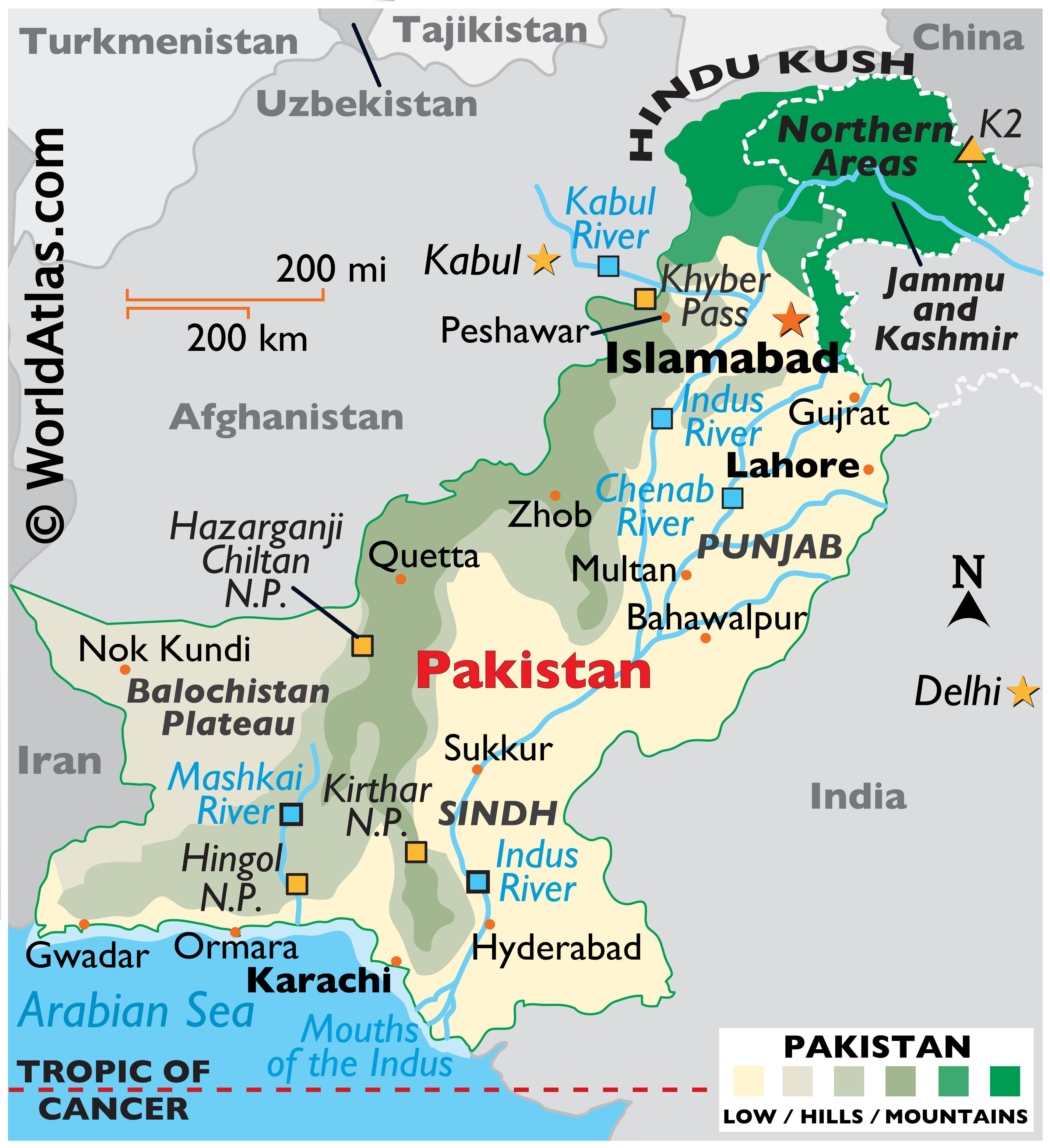
Iran and Pakistan share a restive border in Balochistan. They have been trading mortar fire and "counter-terrorism" strikes for years. Just recently, both nations launched missiles at each other’s territory—a fact the "peace broker" pundits seem to have conveniently scrubbed from their memory.
Imagine a scenario where a bank robber tries to mediate a dispute between the police and a rival gang while actively arguing with the police about his own unpaid tickets. That is the Pakistani position. They are a party to the conflict, not an observer of it.
- Fact Check: Pakistan’s border with Iran is a sieve for smuggling and sectarian friction.
- The Reality: Tehran views Pakistan’s inability (or unwillingness) to secure its Western flank as a direct threat, not a badge of friendship.
Why Trump Won't Buy What Islamabad is Selling
Donald Trump's foreign policy is built on "Maximum Pressure" and bilateral deals that favor American dominance. He doesn't do "multilateral regional frameworks" led by secondary powers.
The media claims Pakistan is "stepping up." I’ve seen this movie before. In 2019, Imran Khan tried the same gambit. It resulted in a few nice photo ops and zero change in the IRGC's behavior or the U.S. sanctions regime. The Trump administration isn't looking for a "bridge" to Tehran; it’s looking for a door to kick down or a deal to sign on its own terms.
If you are a business leader or an investor looking at the Middle East, do not bet on a Pakistani-mediated thaw. The structural tensions are too deep.
- The Israel Factor: Any real movement on Iran goes through Tel Aviv and Riyadh, not Islamabad.
- The Nuclear Non-Proliferation Irony: There is a profound irony in a country that pioneered the "clandestine nuclear network" (A.Q. Khan) trying to talk another country out of its nuclear ambitions. Washington hasn't forgotten; they just stopped talking about it publicly.
Follow the Money Not the Rhetoric
If you want to understand why Pakistan is so eager to play the hero, look at their balance sheet. They need to prove they are "relevant" to stay the hand of U.S. sanctions and keep the flow of dollars coming.
The Pakistani rupee has been decimated. The country is facing an energy crisis that makes 1970s America look like a neon wonderland. By inserting themselves into the Iran-U.S. crisis, they are attempting to generate "Geopolitical Rent." This is the practice of selling your strategic location to the highest bidder to avoid fixing your internal economy.
It is a grift. And like all grifts, it works until the mark realizes there is no actual product being delivered. Pakistan cannot deliver Iran’s compliance. They can’t even deliver stability on their own streets.
The Counter-Intuitive Truth
The most effective way to handle the Iran crisis is to stop pretending that South Asian intermediaries matter. The path to Tehran is direct. Every time a third party like Pakistan gets involved, it adds a layer of obfuscation that allows the principals to avoid making hard choices.
The "consensus" article you read likely talked about "regional stability" and "de-escalation." These are fluff words used by bureaucrats to fill space. True stability in the Persian Gulf will come from a shift in the power balance between Iran and the GCC, or a total collapse of the current regime in Tehran. Pakistan is a spectator to both possibilities.
Stop asking if Pakistan can fix the Iran crisis. Start asking why we keep falling for the idea that they would even want to. A state of perpetual, low-level tension is exactly what allows the Pakistani military to keep collecting "strategic importance" checks from the West. They don't want a fire, but they certainly don't want the fire department to leave.
If you are waiting for a breakthrough from Islamabad, prepare for a long, expensive disappointment. The "bridge" they are building is made of cardboard, and it’s raining.
Go back and look at the trade data between Pakistan and Iran. It’s a rounding error. Look at the military cooperation. It’s non-existent. Now look at the U.S. aid figures over the last twenty years. That is the only data point that matters. This isn't diplomacy; it’s a PR campaign for a bank loan.
The next time you see a headline about Pakistan "stepping up," do yourself a favor: ignore it and check the oil prices instead. That’s where the real story is.