The world is watching Islamabad this weekend, and it's not because of the usual internal political drama. While the U.S. and Israel continue a relentless air campaign against Iranian infrastructure, Pakistan has quietly turned into the most important diplomatic hub on the planet. As of today, March 29, 2026, foreign ministers from Saudi Arabia, Turkey, and Egypt have landed in the Pakistani capital. They aren't there for a photo op. They're trying to figure out how to stop a month-long war that's currently choking the global economy.
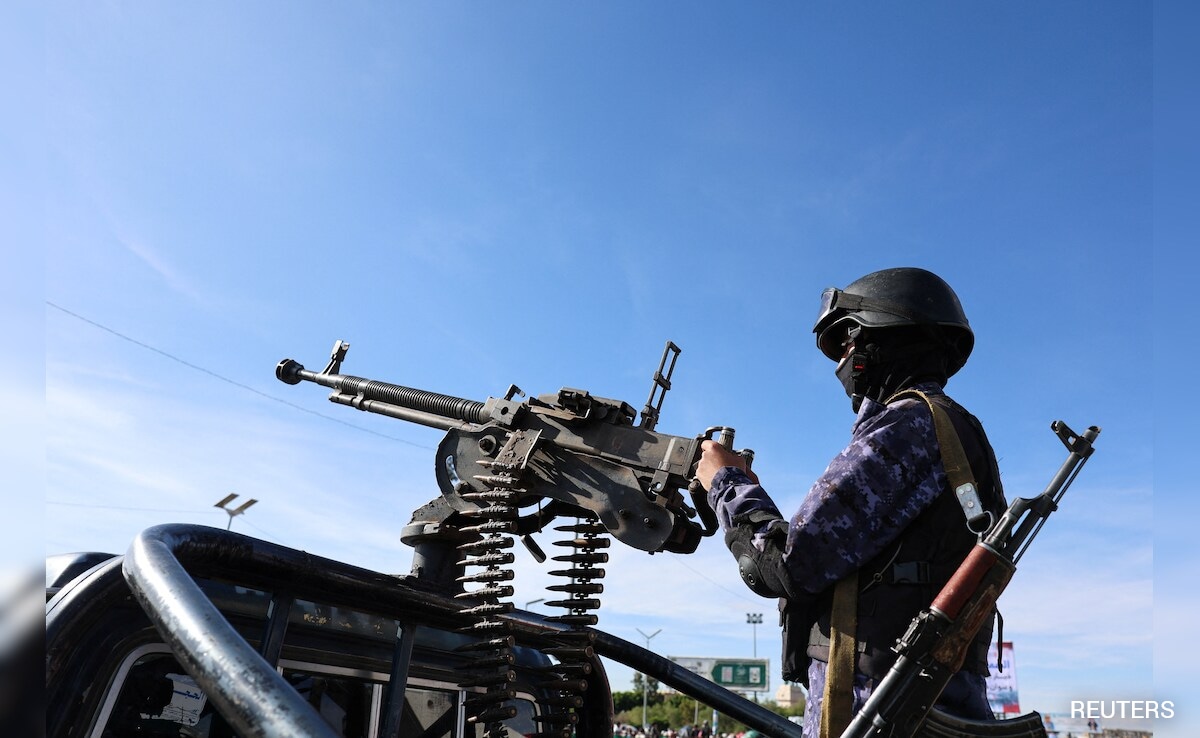
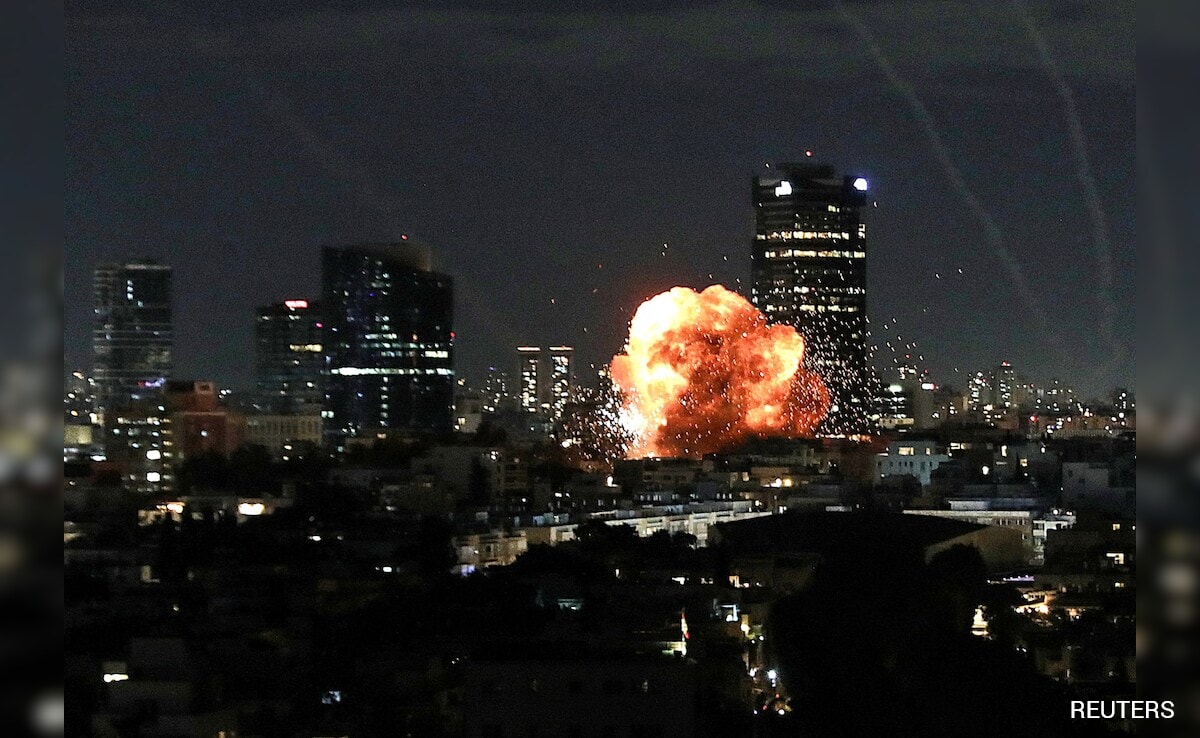
It's a high-stakes gamble. For the last four weeks, the "Epic Fury" operation has hammered Tehran, while Iranian drones and missiles have retaliated across the region. But while the bombs fall, the phones in Islamabad are ringing. Pakistan is currently the only nation effectively talking to both Donald Trump's White House and Masoud Pezeshkian’s government in Tehran.
The Islamabad Quad and the 15 Point Plan
This isn't just another talk shop. The meeting between Pakistan’s Ishaq Dar, Saudi Arabia’s Faisal bin Farhan, Turkey’s Hakan Fidan, and Egypt’s Badr Abdelatty represents a new "Quad" of Muslim powers. They're reviewing a specific 15-point peace proposal sent by the U.S. administration.
Iran’s response to this plan was reportedly delivered through Pakistani channels just hours ago. Tehran is playing hardball, and honestly, can you blame them? The U.S. demands are heavy. They want a total dismantling of Iran’s nuclear program and, crucially, for Iran to hand over control of the Strait of Hormuz.
Tehran’s counter-offer is a bit of a mystery, but we know one thing for sure. They’ve already started using "confidence-building measures" to grease the wheels. Just last night, Iran agreed to allow 20 more Pakistani-flagged vessels to pass through the Strait of Hormuz. It's a small leak in a massive blockade, but it proves that Islamabad has more leverage with the IRGC than anyone else right now.
Why Pakistan is the perfect mediator
You might wonder why a country dealing with its own massive inflation and debt is the one leading the charge. It’s actually simple. Pakistan has the only "neutral" military that matters in this fight.
- No U.S. Bases: Unlike Qatar or the UAE, Pakistan doesn't host American strike wings. This makes them "safe" in the eyes of Iranian hardliners.
- The Munir Factor: Field Marshal Asim Munir has built a surprisingly tight rapport with Donald Trump. This personal connection bridges a gap that traditional diplomacy couldn't touch.
- The Nuclear Umbrella: Being a nuclear-armed state gives Pakistan a seat at the table that other regional players just don't have.
Turkish Foreign Minister Hakan Fidan admitted that this meeting was supposed to happen in Istanbul. They moved it to Islamabad because the Pakistani leadership literally couldn't leave—they’re too busy acting as the 24/7 switchboard for Washington and Tehran.
The Israel problem and the risk of a wider war
Even with the best diplomacy, the situation is fragile. While the ministers were meeting in the Red Zone—which is currently locked down and crawling with security—Israeli jets reportedly hit steel plants and universities in Iran.
This is the "spoiler" effect that Pakistani officials are terrified of. Iran has threatened to retaliate against American universities in the Middle East if the strikes on their schools don't stop by Monday morning. It’s a messy, violent cycle. The Saudi involvement is also a ticking clock. Pakistan has a defense pact with Riyadh; if Iran strikes Saudi oil fields in retaliation for the blockade, Pakistan might be legally forced to enter the war. No one wants that.
What happens next
The next 48 hours are critical. We're looking for three specific signals that these talks are actually working.
- The Vance Visit: There's a rumor that U.S. Vice President JD Vance might fly into Islamabad for a direct (though likely "accidental") encounter with Iranian representatives. Iran has hinted they trust him more than the usual State Department hawks.
- Hormuz Flow: If the number of ships allowed through the Strait increases from two a day to ten or twenty, the economic fever might break.
- The Monday Deadline: If Iran follows through on its threat against regional universities, the Islamabad summit will likely collapse.
If you're watching the markets or just worried about the price of gas, keep your eyes on the joint statement expected from the Islamabad Quad tomorrow. It will be the first real indication of whether the U.S. 15-point plan has any legs or if we’re settling in for a long, bloody summer.
Stop looking at the maps of missile strikes for a second and start looking at the guest list in Islamabad. That’s where the war will actually be won or lost.