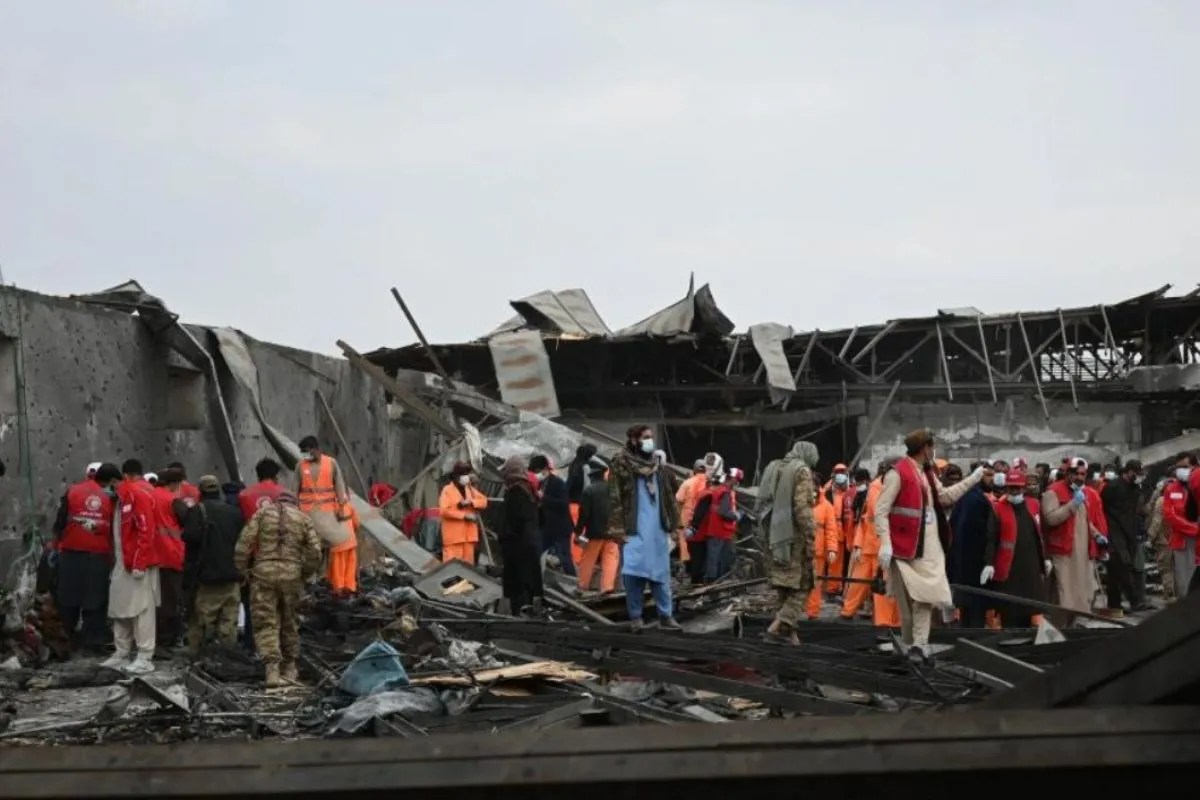
The border between Pakistan and Afghanistan is currently a powderkeg that refuses to cool down. You’ve likely seen the headlines about cross-border skirmishes and the closing of the Torkham gate, but the real story isn't just about soldiers on a ridge. It’s about how the traditional power players in Islamabad are losing their grip on a Taliban government they once thought they could control. Now, three outside nations—Saudi Arabia, Qatar, and Turkey—are stepping into the vacuum to prevent a localized spat from turning into a regional wildfire.
Pakistan’s relationship with the Afghan Taliban has hit a wall of reality. For decades, the narrative was that a Taliban-led Kabul would be a "strategic depth" win for Pakistan. That’s dead. Instead, the TTP (Tehrik-i-Taliban Pakistan) uses Afghan soil to launch attacks, and the Taliban leadership in Kabul basically shrugs. It’s a messy, dangerous stalemate.
Why Riyadh and Doha are Suddenly Necessary
Islamabad and Kabul aren't talking much these days—at least not productively. When they do, it's usually to trade blame for the latest suicide bombing or border shooting. This is where the "triple threat" of Saudi, Qatari, and Turkish diplomacy comes in. These three countries aren't just meddling; they're the only ones both sides actually trust enough to answer the phone.
Saudi Arabia remains the heavyweight because of its religious authority and its checkbook. Qatar has been the "neutral ground" for years, famously hosting the Doha talks that led to the US withdrawal. Turkey brings a different flavor—NATO membership combined with a deep cultural footprint in the region. They aren't just suggesting peace; they’re offering a way for both sides to save face.
The core of the recent agreement, facilitated by these three, isn't a grand peace treaty. It’s a practical "cool-down" mechanism. Both nations have agreed to stop the immediate escalation of rhetoric and keep trade routes open, even when the security situation turns ugly. It’s a band-aid, sure, but without it, the whole region bleeds.
The TTP Factor Is the Elephant in the Room
Let's be blunt about the main friction point. Pakistan demands that the Taliban hand over or at least neutralize the TTP. The Taliban, meanwhile, denies they even exist in Afghanistan or claims they don't have the "capacity" to move against fellow jihadists. It's a blatant lie, and everyone knows it.
The influence of Saudi Arabia and Turkey is vital here because they’re pushing the Taliban to realize that being a pariah state isn't sustainable. If the Taliban wants international recognition or frozen assets released, they can’t be seen as a sanctuary for groups attacking a nuclear-armed neighbor. Turkey has been particularly vocal about the need for "inclusive governance," which is diplomatic speak for "stop being so radical that nobody can trade with you."
Trade Is the Only Carrot Left
While the generals argue over maps, the merchants are desperate. The Chaman and Torkham borders are the lifeblood for thousands of families. Every time the gates close, millions of dollars in perishable goods rot in the sun. This isn't just about economics; it’s about survival.
Saudi Arabia and Qatar have been subtly leveraging their investment potential to keep the borders moving. They’re telling Kabul that if they want Middle Eastern investment in Afghan minerals or infrastructure, they need a stable border with Pakistan. Money talks. In a country where the economy has basically flatlined since 2021, that’s the only leverage that actually sticks.
Security Realities on the Ground
If you look at the geography, the Durand Line—the 2,640-kilometer border—is almost impossible to police perfectly. It’s rugged, porous, and historically ignored by the tribes living there. Pakistan has spent billions on fencing it, yet the attacks continue. This proves that a physical barrier is useless without a political one.
The involvement of Turkey is interesting because of their expertise in drone tech and border surveillance. There have been whispers about Turkey providing technical assistance to help manage these volatile zones. But technology can't fix a lack of trust. Islamabad feels betrayed by the Taliban’s "ingratitude," while Kabul feels Pakistan is still trying to treat them like a puppet state. Both are right, and both are wrong.
Breaking the Cycle of Blame
The current "agreement" to listen to Middle Eastern mediators is a huge shift. For years, this was a bilateral mess. By bringing in Riyadh and Doha, it changes the optics. It’s no longer Pakistan "bullying" Afghanistan or the Taliban "betraying" Pakistan. It becomes a matter of international standing.
You can’t ignore the role of the IS-K (Islamic State Khorasan) either. They hate the Taliban and they hate Pakistan. This shared enemy should, in theory, bring the two together. But the TTP issue is so toxic that it prevents any real counter-terrorism cooperation. The Middle Eastern mediators are trying to create a "common security framework" that targets IS-K without forcing the Taliban to openly betray their TTP "brothers." It’s a delicate, almost impossible dance.
What This Means for Regional Stability
If this mediation fails, we aren't just looking at more border skirmishes. We're looking at a total collapse of the Afghan economy and a potential surge in refugees entering Pakistan, which is already struggling with its own economic crisis. The stakes are literally life and death for millions.
The next few months are critical. Watch for whether the Taliban actually restricts TTP movement in the border provinces like Khost and Kunar. If they do, you’ll know the Saudi and Qatari pressure worked. If the attacks in Khyber Pakhtunkhwa continue at this pace, the "mediation" was just a stall tactic.
Don't expect a sudden bromance between Islamabad and Kabul. That ship has sailed. The best we can hope for is a managed rivalry where trade continues and the guns stay mostly silent.
If you’re tracking this situation, stop looking at the official press releases from the foreign ministries. Instead, watch the truck counts at Torkham and the frequency of Saudi diplomatic flights to Kabul. Those are the real metrics of whether this peace holds. Start paying attention to the specific movement of the "Ulema" delegations between these countries, as religious diplomacy often moves the needle where traditional politics fails.