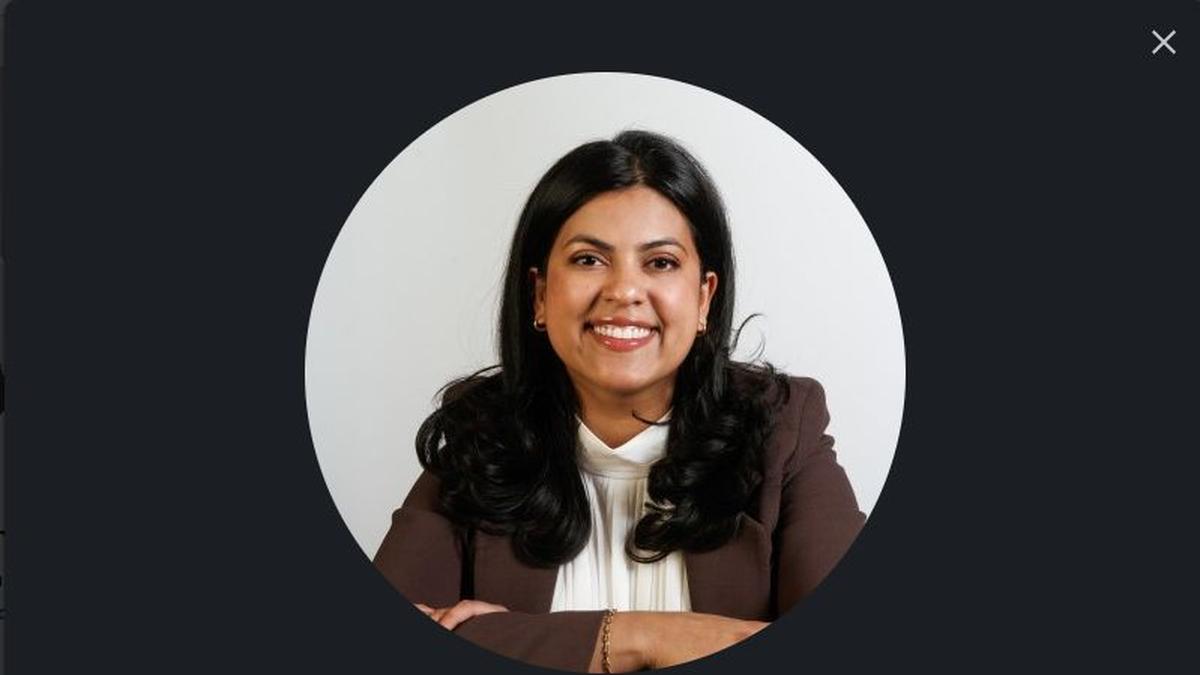
Washington D.C. is a city of two faces. One is the marble-clad seat of global power, and the other is a district where 911 wait times can be fatal and basic infrastructure often feels like a suggestion rather than a guarantee. Into this friction steps Rini Sampath, a 31-year-old government contractor who just became the first South Asian person to secure a spot on the mayoral ballot in the District’s history.
She isn't a Council member. She doesn't have a voting record to defend or a long list of political favors to call in. In a city where the Democratic primary is the only race that matters, Sampath is betting that residents are tired enough of "career insiders" to hand the keys to a woman who hasn't spent the last decade in the Wilson Building.
The Infrastructure of Neglect
Sampath’s campaign, branded with the utilitarian slogan "Fix the Basics," is a direct indictment of the current administration. While city leaders often focus on high-concept urban planning and grand social initiatives, the day-to-day experience of the average D.C. resident has soured.
The statistics are difficult to ignore. In recent years, the District has struggled with emergency response efficiency. Data shows that D.C. 911 wait times have frequently exceeded national standards, with "dropped calls" and dispatch errors becoming a recurring theme in local oversight hearings. For a city with one of the highest per-capita budgets in the United States, the friction in basic services is more than a nuisance; it is a systemic failure.
Sampath is focusing her fire on these logistical breakdowns. She cites the catastrophic wastewater spills in the Potomac and the persistence of "housing that sits vacant for months" as evidence of an execution problem. Her argument is simple. You cannot build a "city of the future" if the current version cannot manage its trash, its potholes, or its emergency calls.
From Tamil Nadu to the District Ballot
Born in Theni, a town in the Indian state of Tamil Nadu, Sampath moved to the United States at age seven. Her trajectory toward this moment didn't start in a local D.C. ward office but on a college campus thousands of miles away.
In 2015, while serving as the Student Government President at the University of Southern California, Sampath became a national figure after a fraternity member hurled a racial slur and a drink at her. Instead of retreating, she used the moment to spark a nationwide conversation about campus racism, landing her in the pages of the Washington Post and the Los Angeles Times.
That experience seems to have baked a certain level of steel into her political persona. She isn't just running as a "first"; she is running as someone who has already survived the meat grinder of public scrutiny. Her entry into the 2026 race comes at a time when the Indian-origin diaspora is seeing unprecedented representation in U.S. politics—from the Vice Presidency down to local school boards. However, D.C. remains a unique beast. It is a city where deep-rooted local activism often clashes with the transient nature of the federal workforce.
The Democratic Gauntlet
The path to the Mayor’s office is blocked by a formidable roster of established players. With incumbent Muriel Bowser opting not to seek a fourth term, the field has opened up to Council veterans like Janeese Lewis George and Kenyan McDuffie. These are candidates with established ground games and deep ties to the city’s various wards.
To win, Sampath has to pull off a difficult trick. She must appeal to the "Old D.C." residents who feel the city is becoming unaffordable while also capturing the "New D.C." demographic that is tech-savvy, frustrated by bureaucracy, and hungry for a data-driven approach to governance.
The Competition at a Glance
| Candidate | Background | Core Base |
|---|---|---|
| Janeese Lewis George | Councilmember (Ward 4) | Progressive activists, younger voters |
| Kenyan McDuffie | Councilmember (At-Large) | Business community, moderate Democrats |
| Rini Sampath | Government Contractor | Outsider advocates, South Asian diaspora |
| Gary Goodweather | Community Activist | Local ward traditionalists |
Sampath’s "lean, people-powered" campaign claims to have gathered over 4,500 signatures in just four weeks to qualify for the ballot. This suggests a grassroots energy that the establishment might be underestimating. She is positioning her lack of political baggage as her greatest asset. In her own words, she doesn't "owe special interests," a jab at the cozy relationship between city hall and the District’s powerful real estate and lobbying sectors.
The Cost of Living Crisis
The District is currently facing a cost-of-living spike that is hollowing out its middle class. While the city has seen a massive influx of wealth over the last two decades, the "execution problem" Sampath mentions is most visible in the housing market.
Despite various affordable housing initiatives, the waitlists for vouchers remain years long, and the process for small businesses to obtain permits is notoriously Byzantine. Sampath argues that the current leadership treats these as "values problems" to be discussed in committees, whereas she views them as operational hurdles to be cleared.
Her "Fix the Basics" platform includes:
- Aggressively reducing 911 wait times.
- Simplifying the permitting process for small businesses to stimulate local economies.
- Utilizing vacant city-owned properties to address housing shortages.
- Prioritizing immediate infrastructure repairs over long-term "legacy" projects.
A City at a Crossroads
D.C. politics is often a game of endurance. The winners are usually those who have spent decades climbing the ladder, ward by ward. Sampath is attempting to bypass that ladder entirely.
Her candidacy represents a broader shift in American local politics, where the "professional politician" is being challenged by the "professional problem solver." Whether a government contractor with a background in student activism can manage a city with a $20 billion budget and a complex relationship with Congress is the central question of her campaign.
The June 16 primary will serve as the true test. If Sampath can turn her 4,500 signatures into a coalition of voters who are more interested in their trash being picked up than in political lineage, she may do more than just make history as a South Asian candidate. She might actually change how the District functions.
The race for Washington is no longer just a reshuffling of the same deck. It is a referendum on whether the city is satisfied with being a world-class capital with third-class services. Sampath has made her bet. Now the District has to decide if it’s willing to take the gamble on an outsider who thinks the most radical thing a Mayor can do is simply make the city work.
Stop waiting for a promotion for the people who let the pipes burst. Fix the basics or get out of the way.