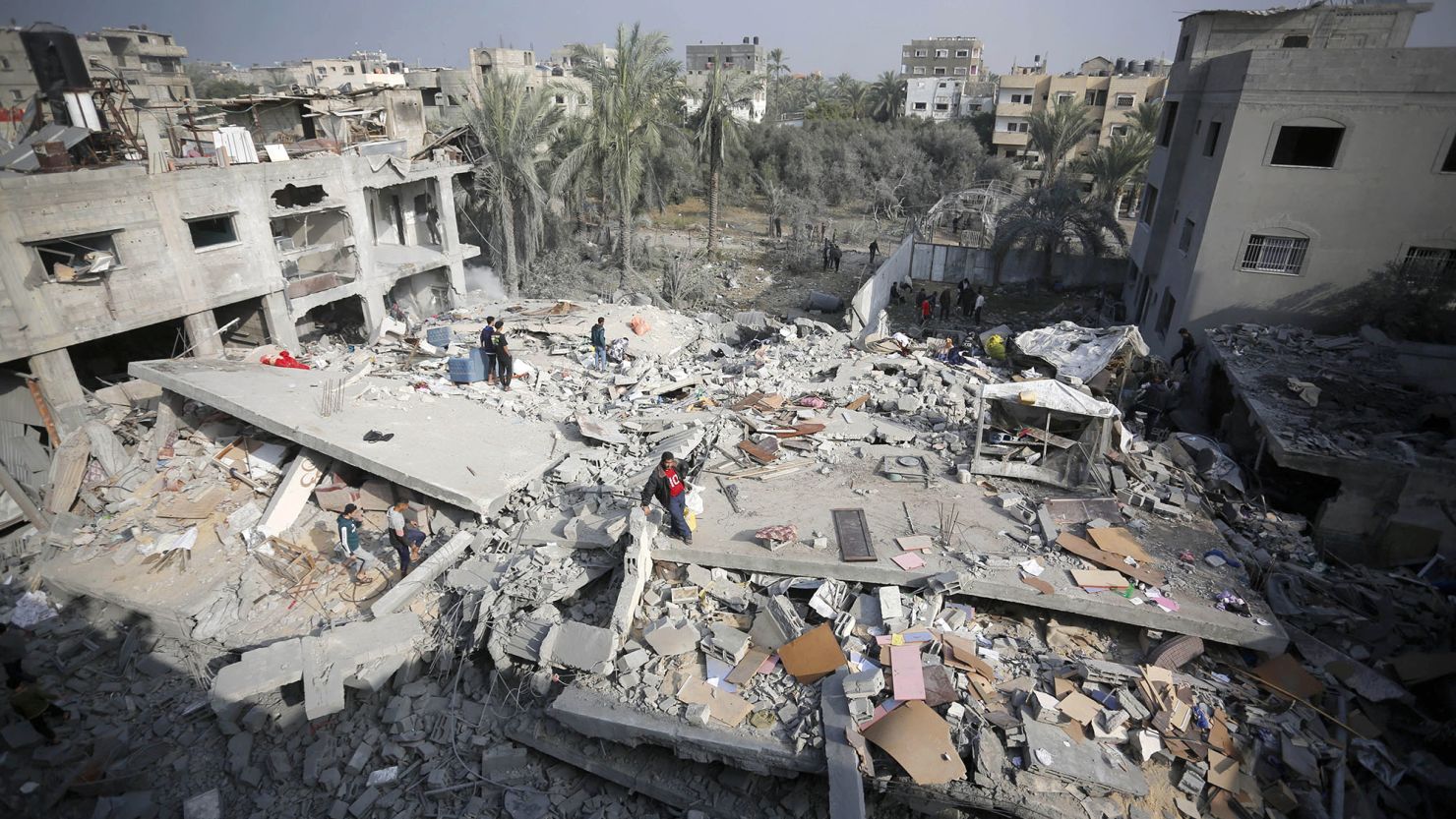
The systematic degradation of a nation’s healthcare delivery system during active kinetic conflict is rarely the result of singular, isolated errors in targeting. It represents a fundamental shift in the operational environment where the traditional immunity of medical personnel and facilities is subsumed by the logic of total theater control. In Lebanon, the escalating frequency of strikes hitting paramedics, primary health centers, and emergency transport vehicles reveals a structural collapse of the "deconfliction" mechanism—the protocol intended to separate humanitarian functions from military objectives. This breakdown creates a compounding crisis: the immediate loss of life among specialized labor (doctors and nurses) and the long-term paralysis of the regional trauma response network.
The Triad of Medical Infrastructure Vulnerability
To understand the current state of Lebanese healthcare under fire, one must categorize the damage through three distinct analytical lenses. These layers determine how a health system fails when subjected to high-intensity aerial bombardment and ground incursions.
- Kinetic Attrition of Specialized Labor: Unlike general infrastructure, the loss of a trained paramedic or trauma surgeon is a non-linear setback. It takes years of institutional investment to produce a single operative capable of performing under combat conditions. When dozens of medical workers are killed in a concentrated timeframe, the "replacement cost" in terms of time and training exceeds the duration of the conflict itself.
- Logistical Interdiction: The destruction of ambulances and transport corridors does more than kill the occupants; it severs the link between the point of injury and the point of definitive care. In medical logistics, this is known as the "Golden Hour." When transport assets are targeted or deterred through "double-tap" strike patterns, the survival rate for non-combatants drops precipitously, regardless of the hospital's internal capacity.
- Psychological and Institutional Deterrence: The targeting of medical centers, such as those operated by the Islamic Health Committee or the Lebanese Civil Defense, creates a chilling effect. Staff begin to weigh their professional obligations against the high probability of being categorized as "collateral" or "affiliated" targets. This leads to the voluntary abandonment of facilities, effectively achieving the same result as physical destruction without the expenditure of additional munitions.
The Breakdown of Deconfliction Protocols
The primary mechanism for protecting medical workers in a war zone is the sharing of GPS coordinates with belligerent forces, facilitated by international intermediaries like the ICRC (International Committee of the Red Cross). The failure of this system in Lebanon suggests a shift in how "military necessity" is being defined on the ground.
Strategic analysts identify a recurring friction point: the "Dual-Use" designation. If a medical facility is suspected of housing communication equipment, intelligence assets, or off-duty combatants, its protected status under International Humanitarian Law (IHL) is technically voided, provided a warning is given and the response is proportionate. However, the data from recent strikes suggests that the threshold for what constitutes a "military objective" has lowered. When ambulances are struck while moving between villages, the justification often cites the transportation of personnel or materiel. The result is a total environment of suspicion where every white vehicle becomes a potential target, rendering the very concept of a "safe" medical corridor obsolete.
Economic and Systemic Cascades
The impact of targeting medical workers extends into the economic and civic foundations of the Lebanese state, which was already suffering from a protracted financial crisis. The healthcare system operates as a network of nodes; the removal of one node (a village clinic) increases the pressure on the central hubs (Beirut hospitals).
- Resource Displacement: As peripheral clinics are destroyed, thousands of patients migrate toward the capital. This creates a bottleneck in the central trauma centers, which are already struggling with shortages of anesthesia, surgical steel, and fuel for generators.
- The Brain Drain Acceleration: Lebanon was historically the "Hospital of the Middle East." The high mortality rate among healthcare workers during the current conflict serves as a final catalyst for the emigration of the remaining medical elite. Once the human capital exits the geography, the physical rebuilding of hospitals becomes a moot point.
- Liability and Insurance Collapse: International NGOs and local health providers face an unmanageable rise in operational risk. Insurance premiums for medical transport in "hot zones" become non-existent, forcing organizations to operate without coverage or cease operations entirely.
The Cost Function of Medical Neutrality
From a strategic standpoint, the erosion of medical neutrality serves a specific military function: it reduces the "sustainability" of the opposing population in a given territory. When medical services vanish, the civilian population is forced to evacuate or face death from treatable injuries and chronic illnesses. This mass displacement clears the battlefield for more intensive kinetic operations but leaves a permanent scar on the socio-political landscape.
The distinction between "direct targeting" and "indiscriminate proximity" is often debated in tactical after-action reviews. However, the outcome remains constant. If a precision-guided munition strikes a residence directly adjacent to a marked medical center, the "shockwave damage"—both physical and structural—often renders the medical center inoperable. This "near-miss" strategy allows for plausible deniability regarding the targeting of healthcare while achieving the strategic goal of neutralizing the facility.
Structural Deficiencies in International Oversight
The current international framework for reporting and penalizing the killing of medical workers is reactive rather than preventative. The WHO’s Surveillance System for Attacks on Health Care (SSA) documents these events, but it lacks the enforcement mechanism to alter the behavior of state actors in real-time.
The data suggests that the lack of immediate consequences for striking medical personnel creates a "permission structure" for further escalations. In previous conflicts, the "Red Cross" or "Red Crescent" emblems provided a layer of "symbolic armor." In the current Lebanese theater, these symbols have been reinterpreted by intelligence agencies as potential camouflage for asymmetric warfare, leading to a "strike-first, verify-later" operational posture.
The Inevitable Health Deficit
The long-term consequence of this attrition is the emergence of a "Health Deficit" that will persist for decades. Beyond the trauma of the conflict, the destruction of the medical workforce leads to:
- Immunization Gaps: The collapse of primary care routes means thousands of children miss critical vaccinations, leading to potential outbreaks of polio or measles.
- Chronic Disease Mortality: Patients with diabetes, kidney failure, or cancer lose access to the consistent maintenance required for survival.
- Maternal Health Failures: The absence of safe birthing centers and neonatal intensive care units (NICUs) ensures a spike in infant and maternal mortality that will be felt long after the last missile is fired.
The strategic play for any international entity or local administration moving forward is not merely the reconstruction of buildings, but the re-establishment of the "Sanctity of the Professional." Without a hard-coded, technologically verified deconfliction system—perhaps involving real-time video feeds or third-party observers embedded in transport units—the medical worker in Lebanon remains a high-value, high-risk target in a conflict that has redefined the boundaries of the permissible.
Organizations must now pivot from "Humanitarian Assistance" to "Hardened Medical Logistics." This involves the decentralization of supplies into smaller, camouflaged caches rather than large, vulnerable warehouses, and the adoption of "Tele-Trauma" systems where senior surgeons can guide junior medics from offshore, reducing the concentration of high-value human capital in the kill zone. The future of Lebanese healthcare depends entirely on its ability to become invisible or indomitable; the current middle ground is a graveyard.
Would you like me to analyze the specific impact of these medical infrastructure strikes on Lebanon's long-term GDP and demographic stability?