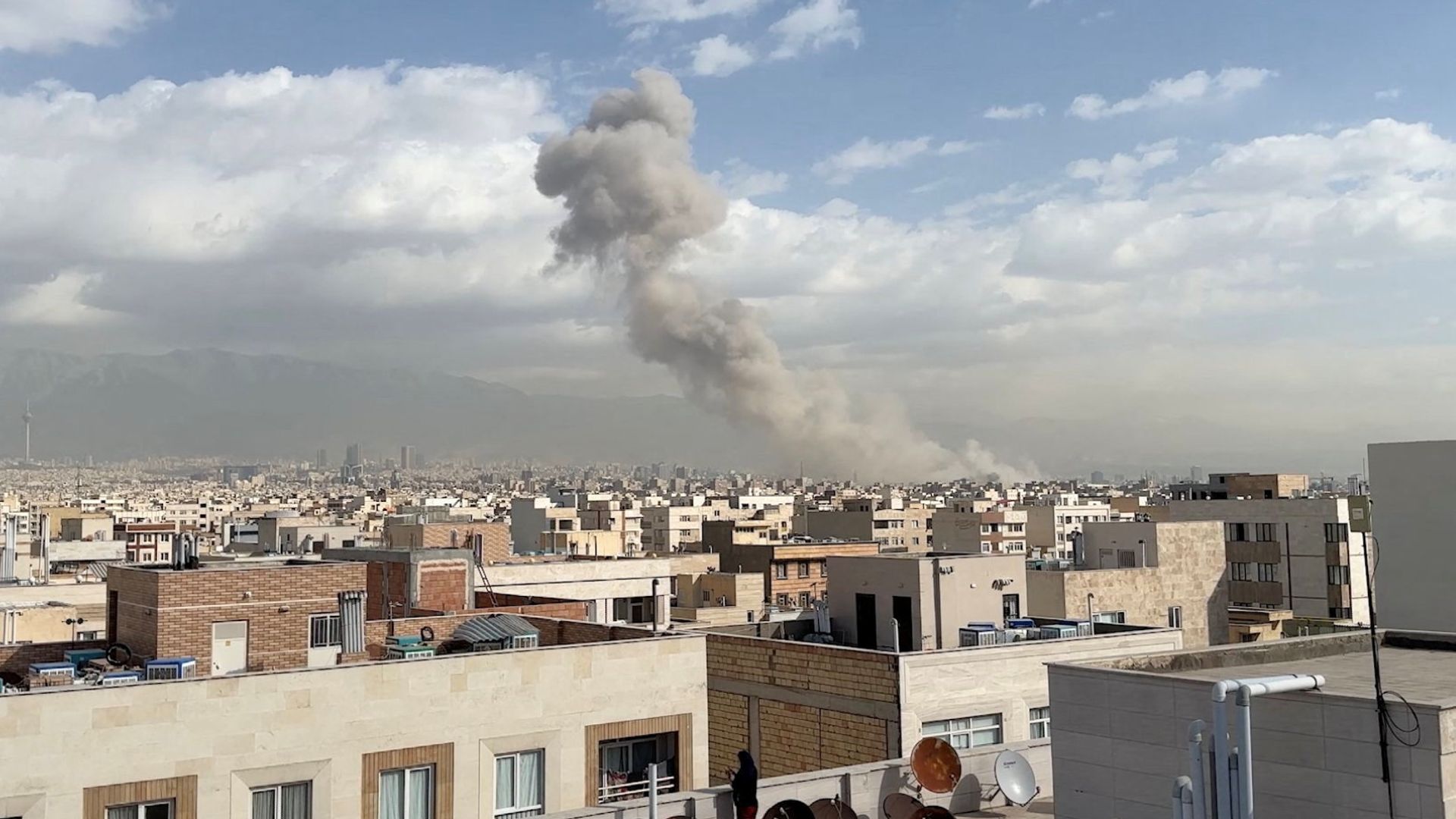
The pre-dawn silence over Tehran didn’t break with a siren; it shattered with the kinetic thud of precision munitions hitting the heart of the Pasteur Street government district. By 9:15 AM on February 28, 2026, the smoke rising from the Supreme Leader’s compound signaled more than just a military strike. It marked the commencement of Operation Epic Fury, a joint U.S.-Israeli campaign that President Donald Trump has officially categorized as "major combat operations" aimed at the total dismantling of the Iranian regime’s military infrastructure and political grip.
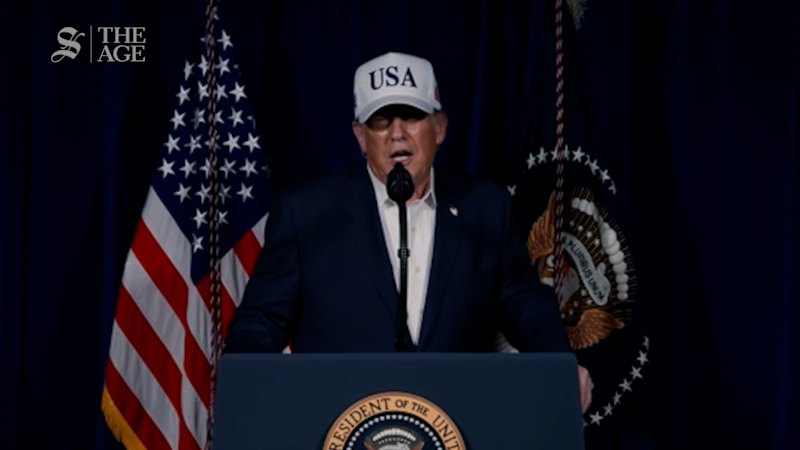
This is not the limited "proportional response" of previous decades. In a high-stakes video address from Truth Social, Trump pivoted from his usual transactional rhetoric to a directive for regime change, calling on the Iranian people to "take over your government" while promising "certain death" to any Revolutionary Guard members who refuse to lay down their arms. The primary objectives are absolute: the annihilation of the Iranian Navy, the physical destruction of the ballistic missile industry, and the permanent removal of the nuclear threat that has defined U.S. foreign policy anxiety for forty years. If you liked this article, you might want to read: this related article.
The Decapitation Strategy in Daylight
Military historians usually expect campaigns to begin under the cover of darkness to blind air defenses. Epic Fury ignored that playbook. The decision to strike during peak morning hours was a calculated "decapitation" attempt. By waiting until officials were at their desks, the U.S. and Israel sought to wipe out the bureaucratic and command-and-control layers of the Islamic Republic in a single afternoon.
Satellite imagery now confirms catastrophic damage to the Supreme Leader’s headquarters. While Iranian state media insists Ayatollah Ali Khamenei remains "steadfast," Western intelligence sources are increasingly confident that the strike reached its intended targets. This brazenness reflects a total shift in the American posture—moving from containment to active erasure. For another perspective on this event, refer to the recent coverage from The Washington Post.
Why the Nuclear "Obliteration" of 2025 Failed
To understand why we are here, one must look back to Operation Midnight Hammer in June 2025. At that time, the administration claimed to have "obliterated" Iran's nuclear capabilities at Fordow and Isfahan. However, the reality on the ground was far more complex. Intelligence gathered over the last six months suggests that while the physical labs were charred, the intellectual capital and clandestine supply chains remained intact.
Iran’s response to the 2025 strikes wasn't to retreat, but to accelerate. They pushed toward long-range missile capabilities that could theoretically reach the American homeland, according to recent White House briefings. The failure of the 2025 "surgical" approach convinced the current administration that as long as the clerical regime stands, the technical hardware will always be rebuilt.
Regional Retaliation and the Energy Bottleneck
The Iranian response was instantaneous and predictably violent. Within hours of the initial Tehran blasts, salvos of ballistic missiles were tracked heading toward U.S. bases in Bahrain, Kuwait, Qatar, and the UAE. Israel has activated full civil defense protocols as its "Iron Dome" and "Arrow" systems face their most significant saturation test to date.
Perhaps more concerning for the global economy is the status of the Strait of Hormuz. Iranian officials have long threatened to choke this maritime artery, through which 20% of the world's petroleum flows. Reports of Iranian naval mines being deployed and the targeting of the IRGC frigate Jamaran suggest that a protracted naval war is already underway. If the Strait stays closed for more than a week, the "America First" economic stability the President often touts will face a brutal inflationary shock.
The Legality of the Unilateral Push
Back in Washington, the political fallout is as volatile as the kinetic one. Congressional critics are already labeling Epic Fury an "unlawful war," noting the lack of a formal declaration or War Powers Resolution authorization. The administration’s justification rests on the "imminent threat" doctrine, arguing that the combination of nuclear resurgence and advanced missile testing left no room for further diplomacy.
However, the "imminent" nature of the threat is being fiercely debated. Critics argue that the administration is using the January 2026 domestic protests in Iran—which saw a brutal crackdown by the regime—as a moral shield for a long-planned geopolitical reshuffling.
The Ground Force Dilemma
While the current operations are dominated by air and sea power, the shadow of a ground invasion looms. High-ranking uniformed leadership has reportedly cautioned that toppling a regime of this scale cannot be achieved through "remote control" alone. They warn of high casualty rates and a "forever war" scenario that contradicts the President’s own campaign promises to bring troops home.
The administration’s current bet is that the Iranian military will crumble from within under the weight of the "immunity or death" ultimatum. It is a gamble on human psychology and the loyalty of the IRGC—a force that has spent decades being indoctrinated for this exact confrontation.
A Mission Without a Safety Net
There is no "off-ramp" currently visible in the Epic Fury strategy. By calling for the people to rise up and targeting the supreme leadership directly, the U.S. has burned the bridges of traditional diplomacy. The "Deal" that the President frequently mentioned in his 2025 rhetoric has been replaced by a demand for unconditional surrender.
The next 48 hours will determine if this is a masterstroke that redraws the map of the Middle East or a catastrophic overreach that plunges the globe into a multi-theater conflict. As bombs continue to fall over Iranian missile sites, the only certainty is that the era of "strategic patience" is dead, buried under the rubble of Tehran.
Would you like me to monitor the latest casualty reports from the U.S. Central Command or analyze the current fluctuations in global oil prices following the Strait of Hormuz closure?