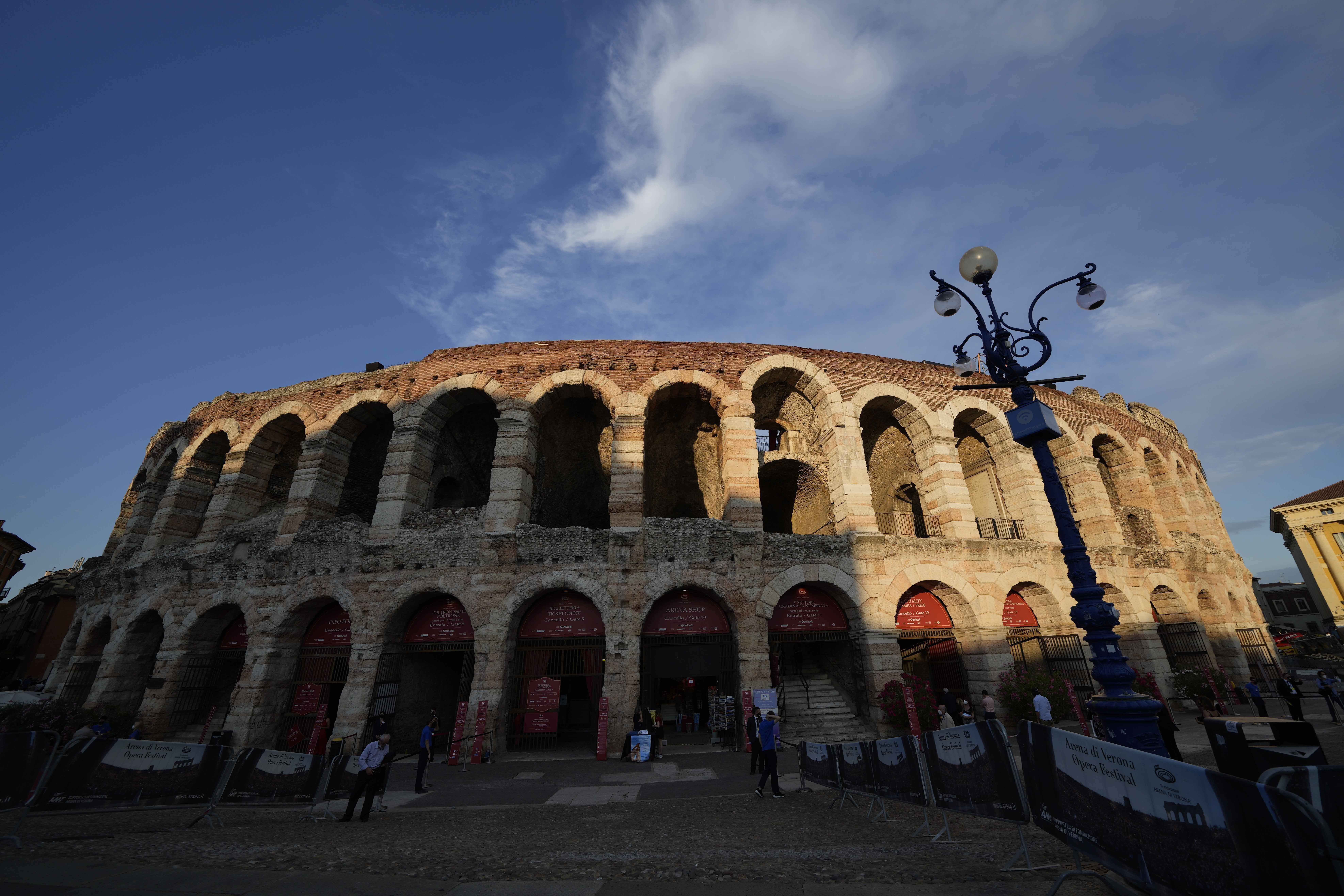
The idea of a global ceasefire sounds like something out of a hopeful history book, but in 2026, it’s officially a fantasy. As the world’s most resilient athletes pull into Italy for the Milan Cortina Winter Paralympic Games, the very peace they were promised has already evaporated. The UN-sanctioned Olympic Truce, meant to halt all hostilities from February through mid-March, didn't even make it to the opening ceremony in Verona.
Airstrikes in the Middle East and the grinding war in Ukraine have turned the "sacred" truce into a suggestion rather than a rule. It’s a mess. You have athletes from Iran and Israel literally arriving at the same venues while their home countries exchange fire. If you think sports and politics can be kept in separate boxes, you haven't been paying attention to the reality on the ground in Italy this week.
Why the Olympic Truce is Failing the Paralympics
The Olympic Truce isn't a new gimmick. It dates back to the ninth century BC, a concept called Ekecheiria that allowed ancient Greeks to travel to the Games without getting killed. Modern leaders revived it in the 90s, hoping it would actually do something. It hasn’t.
Right now, the United States and Israel are trading strikes with Iran. This isn't just "tension" anymore; it’s active combat during a window of time where 165 UN member states specifically promised to stop. The hypocrisy is staggering. More than 660 athletes with disabilities are converging on Italy, many of them having overcome the literal scars of war, only to find the "peace" they’re competing under is a total lie.
For a lot of these competitors, the conflict isn't just a headline—it’s a travel nightmare. Take the family of John Milton, an Australian Paralympic Alpine skier. They were literally turned around mid-flight from Doha to Venice because the airspace became a combat zone. They spent 24 hours stranded in an airport while the world's diplomats patted themselves on the back for signing a peace resolution.
The IPC’s Russia Problem is Exploding
If the Middle East conflict wasn't enough, the International Paralympic Committee (IPC) decided to pour gasoline on the fire. They’ve allowed Russian and Belarusian athletes to compete under their national flags. This is a massive shift from the "neutral" status we saw in Paris and Beijing.
It’s a bizarre move. Russia’s invasion of Ukraine is entering its fourth year, and Italy—the host nation—is furious. Italy’s foreign minister, Antonio Tajani, hasn't held back, calling the decision "incompatible" with the Olympic spirit. Honestly, it’s hard to argue with him.
- The Boycott Movement: At least six countries, including Ukraine, Poland, and Finland, are ready to ditch the opening ceremony on March 6.
- Volunteer Flag Bearers: Nations like Great Britain won't officially boycott the Games, but they're refusing to let their athletes carry the flag into the arena. They're handing that job to volunteers to distance themselves from the IPC’s ruling.
- The Fairness Gap: Critics are pointing out a glaring double standard. Why is one nation sanctioned for a truce violation while others get a pass?
Athletes Trapped in the Middle
You have to feel for people like Abolfazl Khatibi from Iran and Sheina Vaspi from Israel. These are elite competitors—a cross-country skier and an Alpine racer—who have spent years training for this one moment. They're 23 and 24 years old. They didn't ask for their governments to start lobbing missiles while they're trying to navigate a slalom course.
The IPC says it wants to "separate politics from sport," but that’s a pipe dream. When an athlete’s family is stuck in a war zone while they're trying to focus on a gold medal, the politics have already won. The Paralympics are supposed to be about human potential and overcoming the impossible. Instead, the 2026 Games are becoming a case study in how little a UN resolution actually matters when there's a drone to be launched.
What This Means for the Future of International Sport
If the Olympic Truce can’t hold for a few weeks in 2026, we need to stop pretending it exists. It’s becoming a "moral compass" that no one follows. The 165 countries that signed the resolution for Milan Cortina basically signed a piece of paper they intended to ignore.
The real losers here aren't the politicians or the generals. It’s the athletes who look to these Games as a rare chance for global unity. When you walk into the Verona Arena on March 6 and see empty sections and missing delegations, don't be surprised. The "Harmony" (Armonia) that Italy promised for these Games has been drowned out by the noise of the very conflicts the world promised to pause.
If you’re following the Games, keep an eye on the flight schedules and the diplomatic briefings as much as the medal counts. The real competition in 2026 isn't happening on the snow; it's happening in the halls of the UN and the air defense zones over the Middle East. Don't expect a sudden ceasefire just because someone lit a torch.