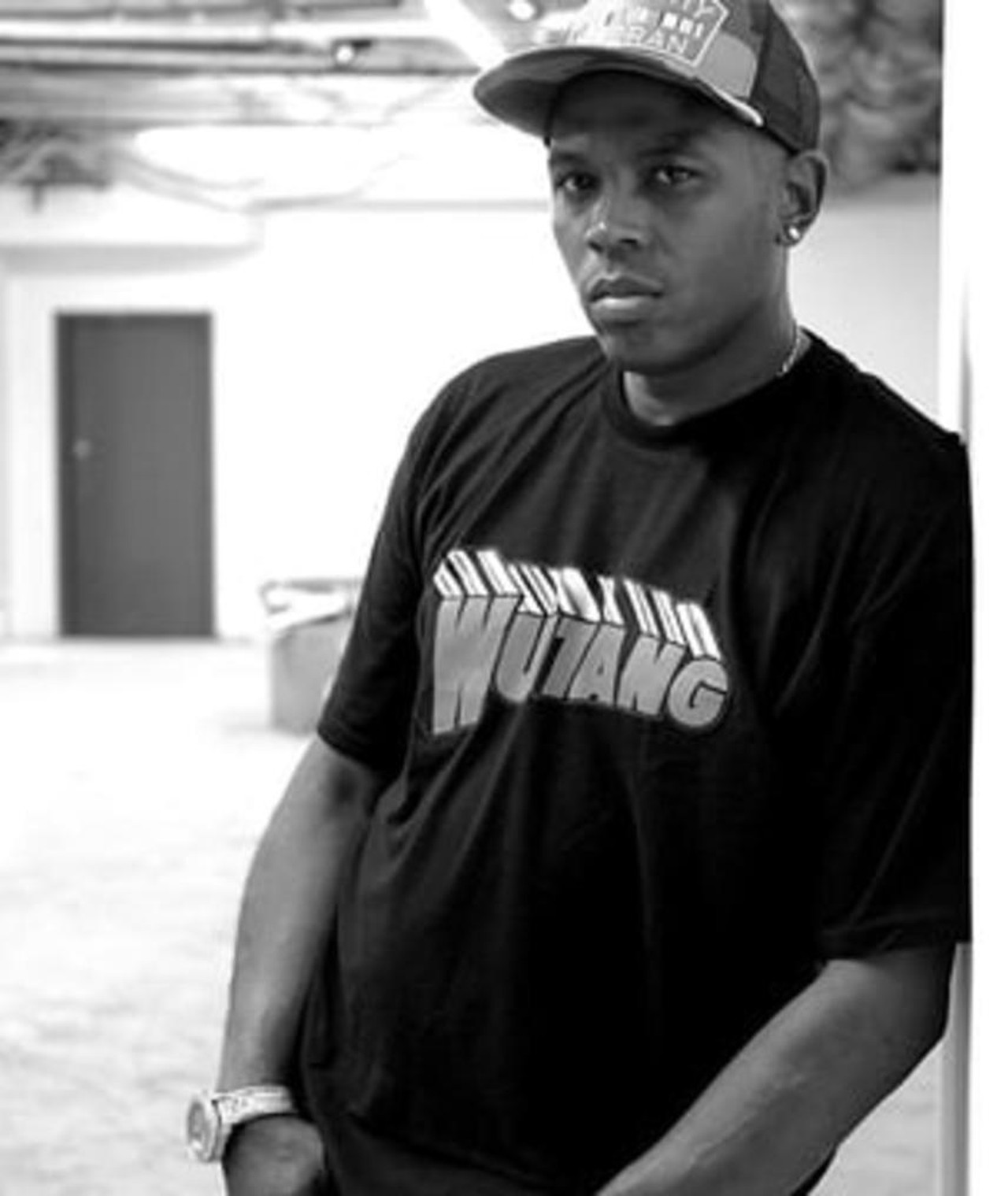
The Wu-Tang Clan didn't just happen by accident. While RZA was the sonic architect and the nine members provided the lyrical fire, the business infrastructure that turned a Staten Island collective into a global lifestyle brand rested on the shoulders of Oliver "Power" Grant. His recent passing after a quiet, grueling battle with cancer marks the end of an era for hip-hop executive leadership. It’s a loss that hits hard because Power wasn't just a manager or a "money guy." He was the visionary who realized that a rap group could be a clothing line, a video game, and a cinematic universe before those things were standard industry plays.
The clan recently shared the specific details regarding his cause of death, confirming that he succumbed to complications from cancer. For a man who spent decades moving in silence while making massive noise in the boardroom, the news of his illness stayed relatively private until the end. It's a testament to the tight-knit, familial nature of the Wu-Tang circle that they protected his privacy while he fought the toughest battle of his life. For a closer look into similar topics, we recommend: this related article.
The Man Who Put the Wu in Wear
Most people think of Wu-Wear as just some t-shirts with a "W" on them. They're wrong. When Power launched Wu-Wear in 1995, he was basically inventing the blueprint for the modern "merch as a brand" strategy. He didn't want to just sell concert tees. He wanted a full-scale fashion house that competed with the likes of Tommy Hilfiger or Nautica, which were the titans of the streets back then.
He saw the value in the logo. He understood that the brand was bigger than the music. Power was the one who negotiated the deals that saw Wu-Wear in major department stores, a feat that was unheard of for a rap-affiliated brand in the mid-90s. It wasn't just about the money; it was about ownership. He preached the gospel of the "internal economy" before it became a buzzword in Black business circles. If the fans were going to spend money on clothes, they should be spending it with the artists they loved, not some corporation that didn't understand the culture. For additional background on this topic, comprehensive coverage is available at Rolling Stone.
Moving Beyond the Music Industry
Power's influence stretched far beyond the recording studio. He was a pioneer in the gaming space, executive producing Wu-Tang: Shaolin Style for the PlayStation in 1999. Think about that for a second. In an era where most rappers were still trying to figure out how to get a decent music video on MTV, Power was getting the Clan digitized into a four-player fighting game.
He saw the intersection of tech, gaming, and street culture decades before it became the dominant cultural force it is today. He was always looking for the "next." Whether it was film production or venture capital, Power moved with a level of sophistication that often went overlooked because he wasn't the one on the microphone. He was the strategist in the back, making sure the contracts were solid and the equity was protected.
Why Privacy Mattered During His Cancer Battle
The hip-hop world is often loud. It thrives on transparency, social media updates, and constant visibility. Power was different. His battle with cancer was handled with the same discretion he applied to his business dealings. When the Wu-Tang Clan finally revealed the cause of death, it wasn't for clout or clicks. It was to honor a brother and finally acknowledge the immense physical burden he had been carrying.
Cancer is a thief. It takes the strongest among us and tests their resolve in ways we can't imagine. For Power, a man defined by his strength and his ability to control outcomes, facing an adversary he couldn't simply out-negotiate must have been incredibly difficult. The fact that he kept it quiet allowed him to maintain his dignity and live his final days on his own terms, surrounded by the family he helped build.
The Legacy of the Wu-Tang Executive
We talk a lot about RZA’s "five-year plan," but that plan required a functional business engine to run. Power was that engine. He handled the logistics that allowed the artists to be artists. He dealt with the grime and the glory of the retail world.
If you're an aspiring entrepreneur or a creative, you need to look at Power's career as a masterclass in brand extension. He didn't dilute the Wu-Tang name; he reinforced it. He showed that you could be from the Park Hill projects and still sit across from CEOs and dictate terms. He didn't wait for a seat at the table—he built his own table, brought his friends, and then sold the rights to the table.
Lessons from the Power Playbook
The death of Oliver Grant is a reminder that the architects behind the scenes are often as important as the stars in the spotlight. Without Power, the Wu-Tang Clan might have just been a great rap group. With him, they became an indelible part of American culture.
- Ownership is everything. Don't just be a face for someone else's brand. Build your own. Power proved that a logo could be just as powerful as a lyric.
- Diversify your portfolio early. Don't get stuck in one lane. If you're in music, look at gaming. If you're in gaming, look at fashion. The intersections are where the real growth happens.
- Silence is a superpower. You don't need to broadcast every move. Sometimes the biggest deals are made in the shadows.
- Health is the ultimate wealth. Even the most powerful executives are vulnerable. Don't ignore the signs. Regular checkups and paying attention to your body aren't signs of weakness—they're requirements for longevity.
Take a moment to look at the "W" logo today. Recognize that it stands for more than just Staten Island or "C.R.E.A.M." It stands for the business acumen of a man who refused to be boxed in by the industry’s expectations. Oliver Power Grant changed the game by refusing to play by its rules. Honor that legacy by taking control of your own narrative and your own business. Check in on your friends, especially the "strong" ones who always seem to have it all figured out. They might be fighting battles you know nothing about.