If you’re watching the tickers today, you’ve seen the numbers. Brent crude is sitting firmly above $103, and WTI isn't far behind. You might be confused because the headlines are screaming about de-escalation and "productive talks" between Washington and Tehran. In a normal world, that should send prices tumbling. Instead, they’re climbing.
The disconnect is simple. The market doesn't believe the hype. While President Trump is posting about five-day pauses and "major points of agreement," the Iranian leadership is calling it fake news. Traders hate uncertainty, but they hate being lied to even more. Right now, the "war premium" is sticking around because the physical reality on the ground—specifically in the Strait of Hormuz—hasn't changed one bit.
The Gap Between Rhetoric and Reality
Earlier this week, oil took a massive 10% dive. That happened because the White House signaled a temporary halt to strikes on Iranian power plants. It was a classic "buy the rumor, sell the news" moment. But that optimism evaporated the second Tehran’s semi-official Fars news agency reported that any talk of a truce was "illogical."
You can’t run a global economy on "maybe."
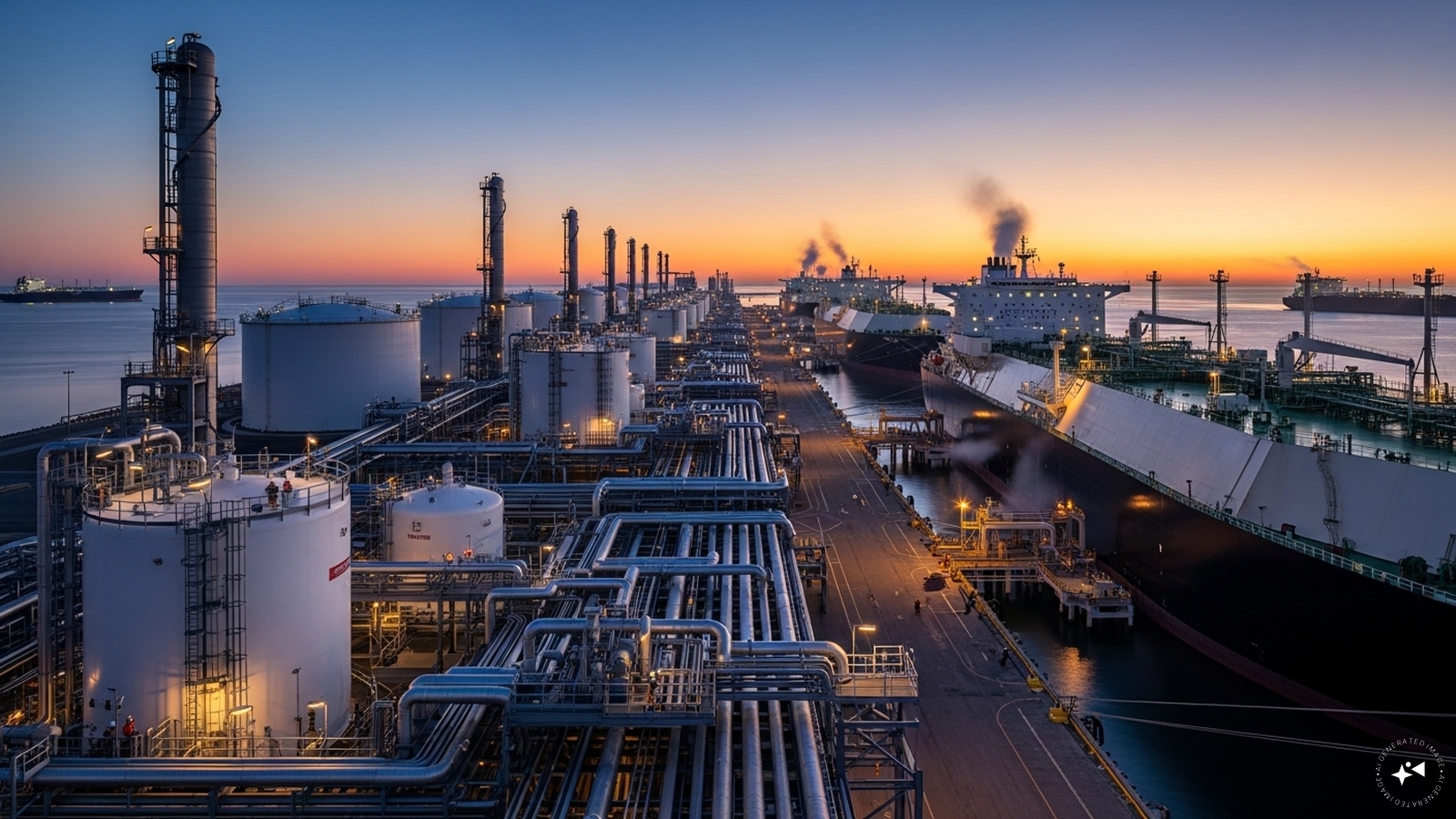
The Strait of Hormuz is the world's most important energy chokepoint. About 20% of global oil and LNG passes through that narrow strip of water. Currently, it’s a graveyard of stalled tankers. Even with the US delaying strikes, the waterway isn't "clear." Iran still has the capability to deploy naval mines and drones. Until those tankers are moving freely without a destroyer escort, that $103 price tag is here to stay.
Why $100 Oil Is the New Floor
Most analysts at places like Goldman Sachs and Morgan Stanley have already torn up their old playbooks. They’ve raised their average 2026 forecasts because they realize this isn't a one-off spike. It’s a structural shift.
- Depleted Inventories: We’ve been leaning on strategic reserves for too long. There’s no cushion left.
- The Shadow Fleet: Sanctions on Russian and Iranian oil have created a "shadow" market that’s becoming harder to track, making supply less predictable.
- Allied Pressure: Reports that Saudi Arabia and the UAE are mulling a more active role in the conflict suggest the "splash zone" of this war is getting bigger, not smaller.
Honestly, the "five-day pause" feels more like a tactical breather than a diplomatic breakthrough. If you’re waiting for $70 oil again, you’re going to be waiting a long time. The market is pricing in the reality that even if the shooting stops tomorrow, the infrastructure damage and the trust deficit will take months, if not years, to fix.
The Inflation Factor
This isn't just about what you pay at the pump. When Brent stays above $100, everything gets more expensive. We're talking about a 0.8 percentage point hit to global headline inflation in just the next two months. If the Strait stays effectively shut through April, some firms are calling for **$150 oil**. That’s not a "worst-case scenario" anymore; it’s a mathematical probability if the current stalemate continues.
What You Should Do Now
Don't get distracted by the daily "he said, she said" from government press offices. Watch the shipping data.
- Monitor Tanker Traffic: Track the number of vessels actually clearing the Strait of Hormuz. If that number stays low, prices stay high, regardless of what's said on Truth Social.
- Hedge Your Energy Costs: If you’re running a business that depends on logistics or manufacturing, lock in your energy rates now. The volatility isn't going away.
- Watch the Fed: High oil prices mean the Federal Reserve is stuck. Any hope of interest rate cuts this spring is likely dead if energy-driven inflation keeps rising.
The "mixed signals" from leadership are intentional. They’re designed to keep the other side guessing. But for those of us trying to navigate the actual economy, the signal is loud and clear: supply is tight, risk is high, and the price of crude is staying in the triple digits.
Stop waiting for a "return to normal." This is the new normal. Adjust your budgets, watch the water, and don't bet on a ceasefire until the tankers are actually moving.